




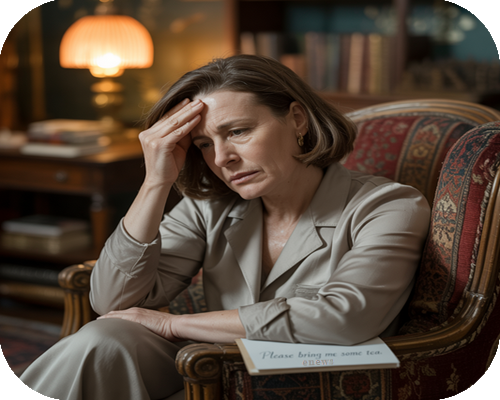
Americans have become much better at talking about mental health. We have learned words such as trauma, PTSD, depression, anxiety, burnout, compassion fatigue and moral injury. That vocabulary matters. It has helped people name experiences that previous generations were often expected simply to endure. There may still be something missing from the way we talk about human suffering: grief.
Grief is not another name for mental illness. Some grief can become persistent and disabling. The American Psychiatric Association recognizes prolonged grief disorder, which requires considerably more than continuing to miss someone who died. Depression, PTSD and other conditions can also accompany bereavement and deserve appropriate treatment. The existence of disordered grief does not make grief itself a disorder.
One way to understand the distinction is to change the question. Trauma may ask what happened to me. Burnout may ask what prolonged stress has done to me. Moral injury may ask what happened that violated something I deeply believe.
Grief asks something different: What have I lost?
Sometimes the answer is a person. Sometimes it is a beloved pet, a relationship, physical ability, independence, confidence, identity, trust or an assumption about how life was supposed to unfold.






Researchers studying professional grief increasingly recognize the emotional distress healthcare workers can experience through repeated encounters with patient suffering and death.
Recently, a woman in a grief group I lead told me that her husband had died only days earlier, but her grief had begun years before. She remembered when illness took away their daily conversations before dinner. She missed her husband, but she also felt relief that his suffering was over. Research on anticipatory grief among caregivers describes the losses that can occur as illness changes relationships and everyday life.
Her story captures something a clinical term cannot fully express. She had been grieving not only an approaching death but the slow disappearance of a life they had shared. Sometimes grief begins long before someone dies. Sometimes the loss has a death certificate. Sometimes it doesn’t.
In my work as a hospice and first-responder chaplain, I have learned that changing the question can change the response. If we ask only what is wrong with someone, we may hear symptoms. If we also ask what they have lost, we may hear about the child a firefighter could not save, the career that ended unexpectedly, the spouse who no longer recognizes a caregiver, or the person someone expected to grow old beside.
That does not mean therapy is unnecessary. It means therapy is not the only human response to loss. Research into continuing bonds after bereavement has complicated the old assumption that healthy grieving means detaching from the person who died. People remember, tell stories, maintain rituals and discover ways of carrying relationships forward while continuing to live.






Human beings have always carried grief together. We hold funerals and wakes. We bring food. We tell stories around kitchen tables. Firefighters sit around the station table after difficult calls. Neighbors remember anniversaries. Communities create rituals because some experiences cannot be fixed; they must be witnessed.
We need the therapist’s office and the kitchen table. They do different things.
Better mental-health care matters, and people experiencing depression, PTSD, prolonged grief disorder or other serious conditions deserve access to it. We also need workplaces willing to acknowledge loss, communities that remember the bereaved after the funeral, and people willing to remain present beside suffering they cannot fix.
Suffering should not have to become illness before it deserves our attention. Not every wound needs a diagnosis before it deserves to be carried together.



Peter Preble | INSIDE SOURCES
Recent Articles
CAFMA and Prescott Fire Department Invite Community to Help Shape Wildfire Protection Plan
City of Prescott Invites Community Members to Learn More About Long-Term Water Management Plan
October Gardening Classes Every Saturday at Watters Garden Center
City of Prescott to Host Public Meeting on Willow Lake Management Plan