
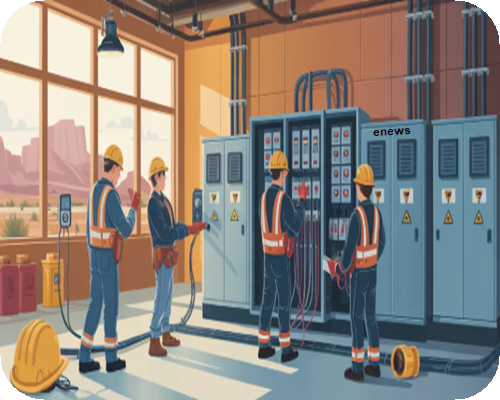
Workplace safety is one of the biggest responsibilities for employers across Arizona. From construction sites and warehouses to manufacturing facilities and maintenance departments, employees work around electrical systems every day. When safety standards are ignored, even a small mistake can lead to serious injuries, lost productivity, and long-term medical consequences.
Understanding the Different Types of Electrical Burns at the Workplace is an important step toward improving safety awareness. Electrical injuries are often more dangerous than they look because damage can go beneath the skin and affect muscles, nerves, and internal organs.
As Arizona industries keep growing, workplace electrical safety must stay a top priority for every employer.
Electrical Hazards Exist in Many Industries
Most people link electrical injuries to electricians or utility workers. But the truth is, electrical hazards show up across a wide range of industries.


Construction crews, HVAC technicians, factory workers, janitorial staff, warehouse employees, and even office maintenance teams can run into exposed wiring, overloaded circuits, defective equipment, or unsafe electrical setups.
Arizona’s fast-growing construction and infrastructure sectors have made this even more urgent. Employees are regularly working around temporary power systems, heavy machinery, and energized equipment. Without proper training and protective measures, the risk of injury rises fast.
Common Causes of Workplace Electrical Accidents
Common causes of workplace electrical accidents include faulty wiring, damaged tools or extension cords, wet working conditions, lack of protective equipment, inadequate lockout/tagout procedures, poor maintenance practices, and unsafe handling of electrical panels or systems. The good news is that many of these incidents are entirely preventable with proper planning and consistent safety enforcement.
Electrical Injuries Can Cause Severe Long-Term Damage



Unlike many other workplace injuries, electrical accidents can lead to life-changing physical trauma. Victims may suffer burns, cardiac complications, nerve damage, muscle injuries, vision problems, or permanent disability. In the most severe cases, electrical shocks can be fatal.
One of the most dangerous things about electrical injuries is that the damage is not always visible right away. A worker may seem stable after an accident while serious internal injuries are still developing beneath the surface.
Learning about the Different Types of Electrical Burns at the Workplace helps both employees and employers understand just how serious these incidents can become.
Electrical burns can include flash burns caused by the intense heat from an electrical arc, flame burns that occur when clothing or nearby materials catch fire, contact burns resulting from direct skin contact with an energized source, and arc burns caused by radiant energy released during an electrical arc flash.
Each type carries unique medical risks and recovery challenges. Recovery often involves surgeries, rehabilitation, physical therapy, and extended time away from work. For businesses, this also means staffing shortages, higher insurance costs, and potential legal exposure.
Safety Training Makes a Major Difference
One of the most effective ways to reduce workplace electrical injuries is through ongoing employee training. Workers need to know how to identify hazards, use equipment safely, and follow emergency procedures.
Unfortunately, many accidents happen because employees receive limited safety instruction or grow complacent after years on the job. Even experienced workers make mistakes when deadlines, fatigue, or distractions are involved.


Employers should ensure that electrical safety training covers safe equipment operation, electrical hazard recognition, emergency shutdown procedures, proper use of personal protective equipment, OSHA electrical safety requirements, lockout/tagout compliance, and proper reporting of unsafe conditions.
Regular refresher courses can reinforce these practices and help build a stronger safety culture throughout the whole workplace.
Employers Have Legal and Ethical Responsibilities
Arizona employers are legally required to provide reasonably safe working environments. Federal OSHA regulations also set clear standards for electrical safety across many industries. When businesses ignore these responsibilities, workers face risks they should never have to face.
When electrical hazards are ignored, consequences can include workplace injury lawsuits that create legal and financial strain, workers’ compensation claims that lead to rising insurance costs, OSHA investigations and penalties that result in fines and operational disruptions, project delays that cause lost revenue and client trust, reputational damage that harms long-term business growth, and increased employee turnover that leads to higher hiring and training costs.
Beyond the legal side, workplace safety directly affects employee morale. Workers are more productive and engaged when they know management genuinely values their health and well-being. Companies that prioritize safety tend to see fewer accidents, fewer disruptions, and stronger long-term results.
Preventive Maintenance Is Essential
Many electrical accidents happen because equipment is outdated, poorly maintained, or improperly installed. Routine inspections and preventive maintenance can significantly reduce these risks.
Employers should regularly inspect power tools, electrical panels, wiring systems, breakers and outlets, heavy machinery, extension cords, and backup generators. Any damaged or malfunctioning equipment should be repaired or replaced immediately.
Small warning signs such as sparks, overheating, buzzing sounds, or flickering power should never be ignored. Employers should also ensure that only qualified personnel handle complex electrical repairs or installations, as taking shortcuts to save time or money almost always increases the risk of serious accidents.
Building a Workplace Safety Culture
True workplace safety goes beyond written policies sitting in a binder. Employers need to create an environment where safety becomes part of everyday operations rather than something addressed only after an accident.
Managers and supervisors should actively encourage employees to report hazards without fear of retaliation. Open communication helps businesses identify dangerous conditions before someone gets hurt.
Employees should also feel empowered to stop work if they identify an unsafe electrical situation. A strong safety culture depends on accountability at every level, from leadership to frontline workers.
Understanding the Different Types of Electrical Burns at the Workplace can also help raise awareness among workers who may underestimate the real dangers of electrical systems. Education remains one of the most powerful tools for accident prevention.
Final Thoughts
Electrical injuries continue to be a serious concern across Arizona workplaces, especially in construction, industrial, and maintenance-related industries. These accidents can have devastating consequences, but many are entirely preventable.
Employers who invest in workplace electrical safety are not just protecting their employees. They are also protecting their business, reputation, and future. Safer environments lead to fewer injuries, better productivity, and a clear message that worker well-being truly matters.
As Arizona industries continue to expand, making electrical safety a priority will remain essential for protecting both workers and the businesses that rely on them.