




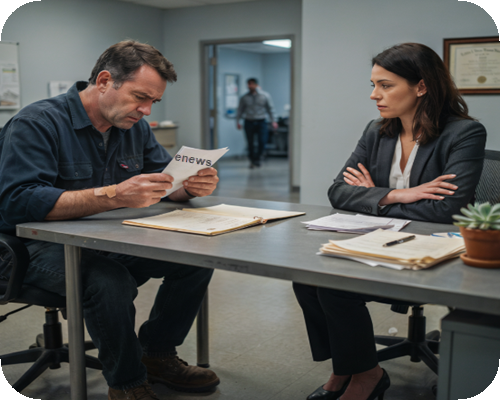
Brooklyn has quietly become one of New York’s busiest economic sectors. Its growth over the past two decades has brought a wave of construction projects, which also involve workers who show up every day for physically demanding jobs.
When one of those workers gets hurt on the clock, filing for workers’ compensation should be straightforward. But it often isn’t. Employers push back, insurers send denials, and suddenly the worker is dealing with pain and lost paychecks while also navigating a legal dispute they didn’t expect. That experience is more common in Brooklyn than most people realize, and it leaves workers feeling like the system is stacked against them. A Brooklyn workers’ compensation lawyer can help level the playing field from the start. Here is what happens when an employer fights back.
Why Employers Dispute Claims
A worker who receives a denial should review its stated reason. They should gather incident reports and medical records, then avoid signing statements or accepting a settlement before seeking legal advice. A reliable workers’ compensation lawyer can identify deadlines, disputed facts, and evidence needed for a hearing. The review also helps determine whether the insurer’s position rests on missing records or conflicting accounts.
Some disputes concern whether the person qualifies as an employee rather than an independent contractor. Other claims involve preexisting conditions, alleged workplace-rule violations, or disagreement about the injury date. The written denial identifies the insurer’s position and the evidence supporting it.
What A Denial Means
A denial is not a final ruling by the New York Workers’ Compensation Board. It means the insurer refuses payment unless the worker proves the claim through the Board’s process. The notice should explain the disputed issue, such as accident details, employment status, medical causation, or timely notice.





The worker should keep the denial, envelope, emails, and related forms. Those records establish when information arrived and help track required responses. Ignoring them does not resolve the dispute and can delay medical treatment or wage-replacement benefits.
Evidence That Can Support the Claim
Medical records should describe the injury, symptoms, work history, and connection between the condition and job duties. A doctor needs an accurate account of what happened, when symptoms began, and which tasks affected the condition. Conflicting accounts can create further disputes.
Work schedules, timecards, incident reports, photographs, text messages, and witness statements can support the worker’s account. The worker should write a detailed description while memories remain clear. It should identify the location, equipment involved, symptoms, and notice given to a supervisor.
What Happens At a Board Hearing
A workers’ compensation law judge reviews testimony and documents at a hearing. The worker, employer, insurer, and medical witnesses answer questions about the accident, job duties, treatment, and claimed disability. The judge can request additional records or testimony before issuing a decision.
The insurer can cross-examine witnesses and challenge medical opinions. A case may require several hearings if records remain incomplete or a doctor must testify. The judge then decides whether the injury is compensable and which benefits apply.


Medical Examinations and Treatment
An insurer can schedule an independent medical examination. The worker should attend, answer questions truthfully, and keep confirmation of the appointment. Missing the examination without a valid reason can affect benefits while the dispute continues.
Treatment records should show attendance, restrictions, diagnoses, and progress. The worker should follow prescribed care and report symptom changes to medical providers. The worker should also report any new injury, missed visit, or return to work accurately.
Protecting The Claim During a Dispute
The worker should report the injury promptly, submit required forms, and keep copies of every filing. Communications with the employer should remain factual and consistent. Before signing a statement, the worker should read it carefully and correct inaccurate information in writing.
The worker should track lost wages, medical expenses, travel for treatment, and work restrictions. Social media posts or casual comments can conflict with testimony about pain or daily activities. Accurate records give the judge a clearer account of the claim.
If the Judge Rejects the Claim
A worker who disagrees with a decision has appeal rights under New York workers’ compensation procedures. Those rights involve strict deadlines and written grounds explaining the alleged error. The worker should review the decision promptly instead of waiting for another notice.
An appeal does not automatically replace the need to follow existing orders or attend medical appointments. Legal counsel can assess whether the record supports an appeal, whether additional evidence is permitted, and whether benefits continue during review.
Conclusion
An employer’s dispute moves a workers’ compensation claim into an evidence-based process, but it does not decide the result. The worker should preserve the denial statement, medical records, workplace evidence, and filing dates immediately. Hearing attendance and independent examinations also matter. After receiving a denial, the next practical step is to promptly review the notice and supporting records with a qualified attorney. Early preparation addresses disputed facts before deadlines restrict available options.





Elmer Peutes
Recent Articles
Town of Chino Valley Selected for Community Beautification Project as APS Celebrates 140 Years in Arizona
City of Prescott Reminds Citizens of Political Sign Regulations and No Campaign Materials in City Facilities
Trust for Public Land, Local Partners Secure Permanent Protection of Upper Sullivan Canyon, Safeguarding Key Verde River Rock Climbing Site
Keep Chino Rural means NO on Proposition 410