


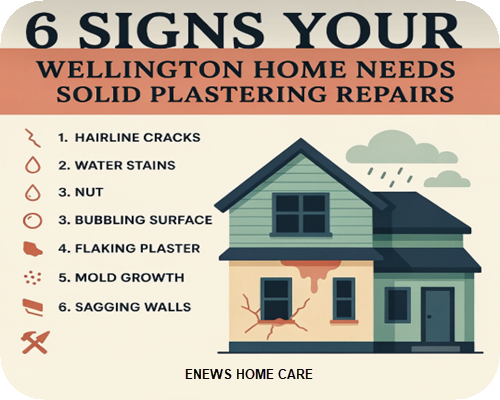
Wellington homes face wind, salt air, heavy rain, and sharp temperature shifts. Over time, these conditions can wear down exterior plaster and expose the structure beneath. Small surface marks may look harmless at first, yet they can point to deeper moisture or movement issues. Recognising the early warning signs helps homeowners act before repairs become more extensive, expensive, and difficult to manage.
1. Hairline Cracks Are Spreading
Fine cracks often appear around corners, windows, doors, and wall joints. Some are caused by normal building movement, but widening lines need attention. A trained plasterer can assess whether the surface has minor shrinkage or deeper stress. For homes needing solid plastering in Wellington support, early crack repairs help protect cladding, framing, and interior finishes from water entry.
Cracks wider than a few millimetres should never be ignored. Rain can enter these gaps, then move behind the plaster. Once moisture reaches timber or insulation, drying becomes difficult. Staining, soft patches, and mould may follow. Timely repairs seal the surface and reduce the chance of hidden decay.
2. Bubbling or Blistering Appears
Bubbles, raised patches, or blistered areas usually mean moisture is trapped under the coating. This can happen after failed paint, poor drainage, or worn sealants. The surface may still feel firm at first, but pressure often reveals movement beneath.
Blistering is more than a visual problem. It shows that adhesion has weakened. If left alone, the plaster may lift in sheets, leaving the wall open to further water damage. A repairer will usually remove loose material, dry the affected area, and rebuild the finish in layers.


3. Damp Marks Show Inside
Interior damp spots can be linked to exterior plaster failure. Marks may appear near ceilings, window reveals, skirting boards, or wall corners. Musty smells and peeling paint can also point to moisture moving through the wall system.
The source is not always directly behind the stain. Water can travel along framing, flashing, or insulation before showing indoors. That is why exterior checks matter. Damaged plaster, cracked sealant, poor window junctions, and blocked drainage paths should all be reviewed together.
4. The Finish Looks Chalky or Powdery
A powdery surface often means the plaster or coating has begun to break down. This condition may leave residue on fingers after light contact. It can also make new paint fail because coatings need a sound base to bond well.
Chalking is common on walls exposed to strong sun, coastal air, and driven rain. Wellington’s weather can speed up this wear. Once the outer layer loses strength, water resistance drops. Repair may involve cleaning, stabilising, patching, and applying a suitable coating system.
5. Corners and Edges Are Crumbling
Corners, parapets, steps, and lower wall sections take more impact than flat surfaces. These areas can chip, crack, or crumble after years of exposure. Ground-level plaster may also suffer from splashback, garden contact, or poor clearance.



Crumbling edges should be repaired before they spread into nearby sections. Loose plaster lets water sit in rough gaps. That moisture can freeze, expand, or soften the base material. Clean edges, correct profiles, and sound finishing help the repair blend with the rest of the wall.
6. Paint Keeps Peeling in the Same Place
Repeated paint failure often signals a problem beneath the coating. If the same area peels after repainting, the issue may be moisture, salt deposits, weak plaster, or poor surface preparation. Paint alone cannot fix a failing substrate.
A proper inspection checks the surface condition before any repainting begins. Plaster may need patching, sealing, or full resurfacing in localised areas. Once the base is stable, the final coating can perform as expected. This approach saves time and avoids repeat work.
Conclusion
Solid plaster protects a home from more than surface wear. It forms part of the weather barrier, so cracks, bubbles, damp marks, chalking, crumbling edges, and repeat paint failure deserve prompt attention. Wellington conditions can turn small defects into larger repairs quickly. Regular checks, careful maintenance, and timely plastering work help preserve comfort, value, and long-term building health.