



If you have spent any time sitting on your porch lately, you have likely noticed that the garden is more than just plants and soil. It is a living, breathing community. Of all the visitors we welcome to our mountain landscapes, none bring quite the same sense of wonder as the butterfly. I often call them “flying flowers” because they add a layer of moving color that a static leaf simply cannot match.
Here is the secret: butterflies are picky guests. They aren’t just looking for a pretty view; they are looking for high-quality fuel and a safe place to rest. If you want your backyard to become the local “Flutterfest,” you have to plant with purpose.
The Foundation of a Butterfly Garden
To attract the widest variety of butterflies, from the regal Monarch to the vibrant Western Tiger Swallowtail, you need to provide nectar from late spring through the first frost. Butterflies are cold-blooded and love the sun. When choosing a spot for your pollinator bed, pick a location that receives at least six to eight hours of direct sunlight.
The anatomy of a butterfly is also key to your plant selection. Because they have long, straw-like tongues called proboscises, they prefer flowers with flat “landing pads” or clusters of tiny tubular flowers.
Top Picks for a Butterfly Buffet


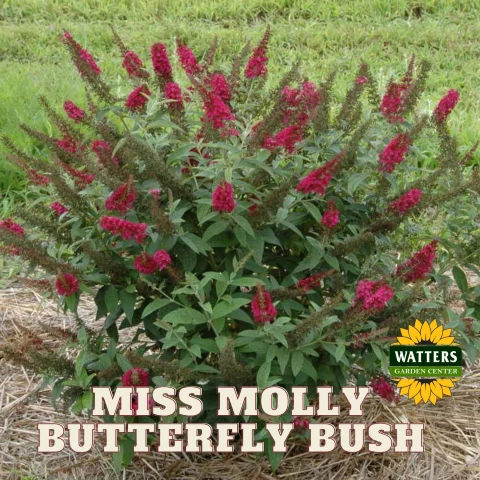
Butterfly Bush (Buddleia): As the name suggests, this is the gold standard. I particularly like the Miss Molly variety for its rich, sangria-red color. These shrubs are incredibly hardy in our alkaline soil. They bloom on new wood, so a good pruning in late winter ensures a massive display of nectar-spikes all summer long.
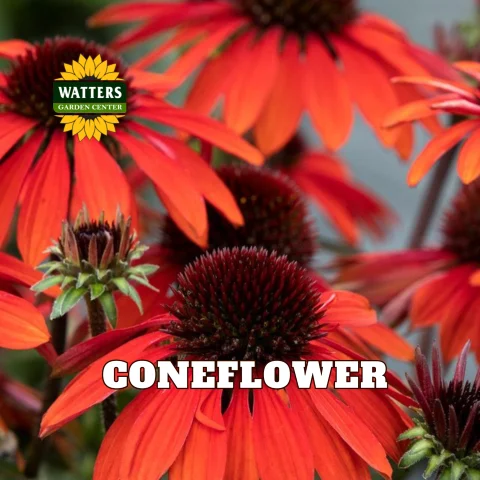
Coneflower (Echinacea): These are the workhorses of the summer garden. With their prominent central cones and drooping petals, they offer a perfect place for a butterfly to perch. They are drought-tolerant once established, making them ideal for our dry mountain air. Look for the PowWow Wild Berry for a punch of neon pink that butterflies can see from a distance.
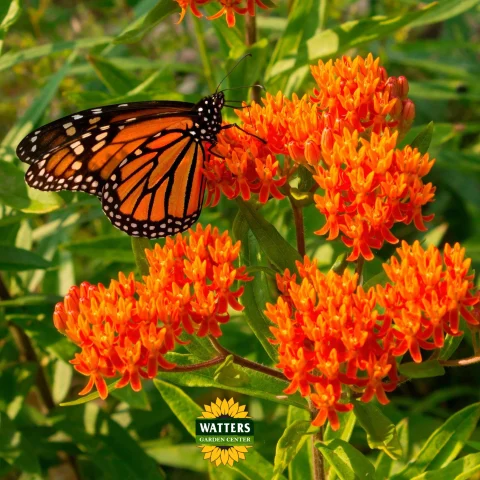



Milkweed (Asclepias): You cannot have a conversation about butterflies without mentioning Milkweed. It is the only plant where Monarchs lay their eggs. Butterfly Weed (Asclepias tuberosa) is a perennial favorite, offering brilliant orange clusters that thrive in poor, well-drained soil. By planting this, you aren’t just feeding adults; you are raising the next generation.
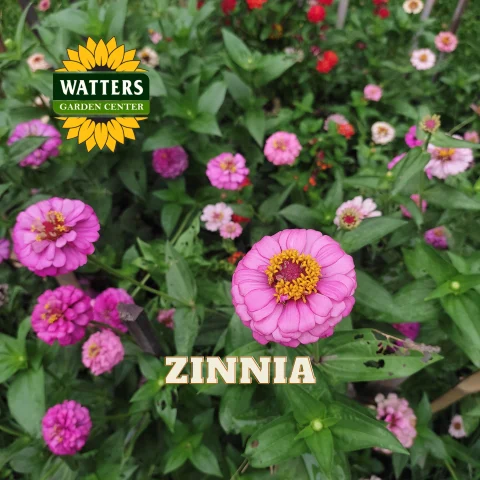
Zinnia: Never underestimate the power of an annual. Zinnias are easy to grow from seed and provide a constant supply of nectar if you “deadhead” them—that is, snip off the faded blooms to encourage new ones. The flat, open faces of State Fair Mix zinnias act like a landing strip for thirsty pollinators.
The “Why” Behind the Beauty
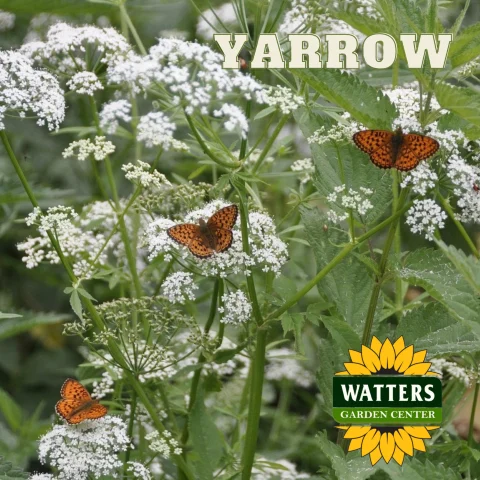
You might wonder why some gardens are teaming with life while others remain quiet. It often comes down to the variety of flower shapes. Butterflies like Painted Ladies love the flat clusters of Yarrow, while Skippers prefer the tiny tubes found in Verbena. By mixing these shapes, you invite a more diverse crowd.
Butterflies need more than just sugar. They need “puddling” stations. You can create one by placing a shallow saucer filled with sand and water in the garden. They will land there to drink up essential minerals from the damp soil.


Success Secrets for Mountain Gardeners
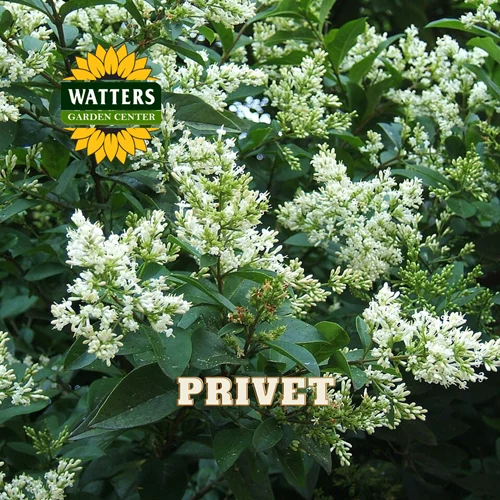
In our neck of the woods, the wind can be much for a delicate butterfly. When you design your “Flutterfest” garden, try to plant your tallest shrubs, like Lilacs or Privets, on the windward side of your flower beds. This creates a “windbreak,” providing a calm microclimate where butterflies can feed without fighting a breeze.

Be mindful of your garden maintenance. To keep a healthy butterfly population, you must avoid systemic pesticides. If you have an aphid problem, reach for organic solutions like Triple Action Neem Oil. We want to protect these delicate creatures, not deter them.
A garden filled with butterflies is a sign of a healthy, vibrant ecosystem. It tells you that your soil is good, your water is clean, and your plant choices are in harmony with nature. So, grab a shovel, find a sunny spot, and let’s get planting. The show is about to begin
Until next week, I’ll be helping gardeners plant fast-growing vines here at Watters Garden Center.
Ken Lain can be found throughout the week at Watters Garden Center, 1815 Iron Springs Rd in Prescott, or contacted through his website at WattersGardenCenter.com or Top10Flowers.com.