



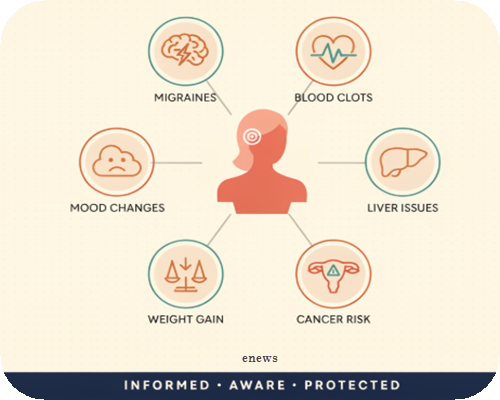
Birth control in the US remains a routine part of healthcare for millions of women. According to federal health data, nearly two-thirds of women of reproductive age use some form of contraception, making these medications and injections among the most widely utilized medical products in the country. While many women use birth control without major complications, reports of unexpected health problems have raised concerns among patients who believed they were making safe, informed choices about their reproductive health.
As questions surrounding certain contraceptive products continue to surface nationwide, many injury claims have focused on symptoms that users say developed after prolonged use. Headaches, vision problems, neurological concerns, bone-related complications, and other serious health issues are among the conditions frequently cited in legal filings. For individuals pursuing a Depo birth control lawsuit, understanding the symptoms commonly mentioned in these claims can be an important first step in determining whether their experiences may be connected to a larger pattern of reported injuries across the United States.
Why Symptom Lists Matter in Claims
Claim narratives linked to the Depo birth control lawsuit often turn on timing, persistence, and documented impact on daily function. A careful symptom list can align personal notes with pharmacy history, clinician charts, and diagnostic results. Strong timelines may show whether changes began after use, eased after stopping, or continued despite treatment. Pattern clarity helps patients communicate with care teams.
Headaches and Migraine-Like Episodes
Head pain is often described as new onset, higher frequency, or stronger intensity than any earlier pattern. Light sensitivity, queasiness, and neck tightness can travel with pulsing pressure. Some accounts mention missed shifts, disrupted sleep, or repeated urgent visits. Helpful documentation includes start date, weekly count, and response to usual relief methods.
Dizziness, Faintness, and Balance Problems
Lightheaded spells may appear during standing, showering, or routine errands. Room-spinning sensations, unsteady steps, or near-syncope are common descriptions. Racing heartbeat, sweating, and blurred focus sometimes accompany episodes. Clinicians may check hydration status, hemoglobin values, and inner ear findings, yet normal testing can still appear in a file.






Mood Shifts, Anxiety, and Low Motivation
Emotional changes are frequently reported in personal accounts, with irritability, tearfulness, or persistent worry affecting work and relationships. Sleep disruption can amplify stress, while appetite shifts may add strain. Some records include counseling notes, primary care visits, or medication adjustments. Clear dates and functional impacts help show how symptoms progressed over time.
Irregular Bleeding and Unpredictable Spotting
Bleeding changes are often framed as disruptive rather than minor. Prolonged spotting, breakthrough bleeding, or sudden heavy flow can lead to fatigue and cancelled plans. Some people describe frequent pad changes or clot passage. Chart entries may include pelvic exam findings, pregnancy testing, and laboratory work to rule out other explanations.
Pelvic Pain and Cramping That Persists
Pelvic discomfort is often reported as deep aching, stabbing pain, or pressure that lingers between expected cycles. Cramping may flare during sitting, exercise, or sex, then radiate into the lower back. Evaluation can include ultrasound imaging, pelvic floor assessment, or specialist referral. Notes that record location, triggers, and duration can add structure.
Bone and Joint Pain With Fracture Concerns
Some claims describe hip, knee, or low-back aching that limits mobility. Reduced strength, soreness after modest activity, or repeated stress injuries may appear in narratives. Fracture concerns are often linked to allegations of bone density loss when injury follows falls or routine impacts that once seemed harmless. Supporting records can include imaging reports, vitamin and mineral labs, and documented treatment plans.
Vision Changes and Eye Discomfort
Visual symptoms may include blurred focus, flashing spots, or transient dimming. Eye pressure or pain can occur alongside headache episodes. Night driving may feel harder due to glare sensitivity or reduced clarity. Eye exams and neurologic assessments often matter, especially when onset dates are clearly recorded and follow-up is consistent.






Numbness, Tingling, and Weakness Sensations
Pins-and-needles feelings in hands, feet, or facial areas are sometimes described, with heaviness or brief coordination trouble raising concern. Intermittent symptoms can complicate evaluation, since exams may look normal between flares. Workups often include neurologic testing, metabolic labs, and referrals when issues persist. Care notes that capture pattern and duration are valuable.
Digestive Upset and Appetite Shifts
Gastrointestinal complaints can include nausea, bloating, cramping after meals, or altered bowel habits. Appetite change may drive weight fluctuations that feel difficult to manage. Some people note early fullness or new food aversions. Clinicians often document diet patterns, hydration, and medication changes, which can help connect symptom timing with care decisions.
Fatigue, Sleep Disruption, and Brain Fog
Persistent exhaustion is often described as more than ordinary sleepiness, with frequent waking and unrefreshing rest. Concentration lapses, slowed recall, and reduced mental stamina are sometimes labeled as “brain fog.” Records that show repeated complaints, ruled-out medical causes, and documented functional limits can strengthen a timeline. Dated symptom diaries may add useful context.
Conclusion
Symptoms described in birth control injury claims often share two features: reduced daily functioning and persistence that prompts medical care. Headaches, mood disruption, bleeding changes, pelvic pain, and neurologic sensations recur across many narratives, even when each person’s course differs. Careful tracking can connect onset and progression with clinic notes, testing, and treatment steps. That clarity can guide next decisions for patients and our clinicians.