




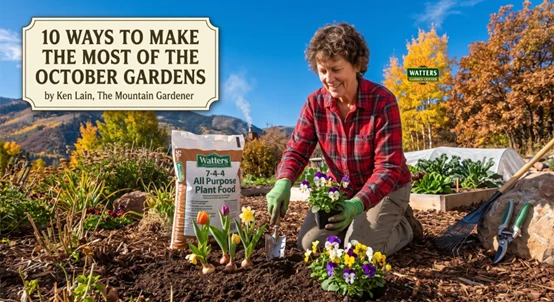
October in the high country is often called our “Second Spring,” and for good reason. While the rest of the country is hunkering down for winter’s gray, our mountain landscapes are exploding with a final, brilliant crescendo of gold, russet, and deep burgundy. The air is crisp, the sky is a piercing sapphire blue, and the soil, blessedly, retains the deep warmth of the summer sun even as the nights begin to bite. This unique window of time is arguably the most critical month for any mountain gardener. It is a season of transition where the actions we take today define the success of our landscapes for the next twelve months. The urgency of spring planting gives way to a more meditative, yet equally vital, rhythm of preparation and preservation. To truly make the most of this spectacular month, we must balance the joy of the current harvest with the foresight of the seasons to come.

Plant Bulbs Now – October is the definitive window for planting spring-blooming bulbs like tulips, daffodils, hyacinths, and crocus. In our mountain soil, the ground remains warm enough for these bulbs to establish a robust root system before the deep freeze of December sets in. Additionally, pansies, violas, and cyclamen are the best winter-blooming flowers that bring joy no matter the cold. Plant them as early in October as possible so they can establish themselves.
Clean Up Garden Beds – As your annuals begin to fade and the first light frosts hit, it is time for a thorough garden sanitation. Remove spent petunias, zinnias, and marigolds, pulling them out by the roots. For perennials that have finished their cycle and turned brown, cut them back to about three to four inches above the soil line. This isn’t just about aesthetics; it is a tactical move against pests and pathogens. Many common garden “bad guys,” such as aphids and fungal spores, love to overwinter in the decaying foliage of last summer’s garden.
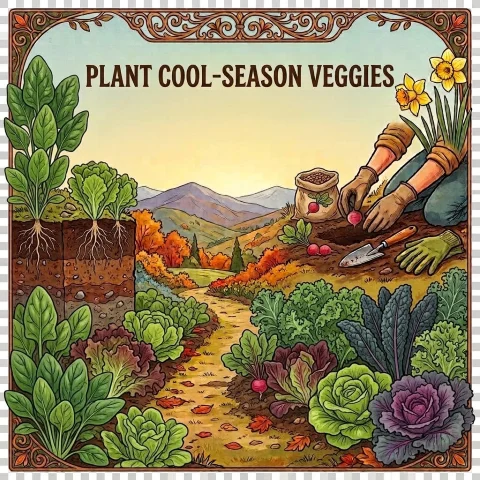


Plant Cool-Season Veggies – The vegetable garden doesn’t have to go dormant just because the nights are chilly. Many leafy greens actually prefer the cooler temperatures of October. Spinach, lettuce, radishes, and kale can still be sown early in the month for a late fall harvest. Kale and chard, in particular, become sweeter after a light kiss of frost, as the plant converts starches into sugars to act as a natural antifreeze.
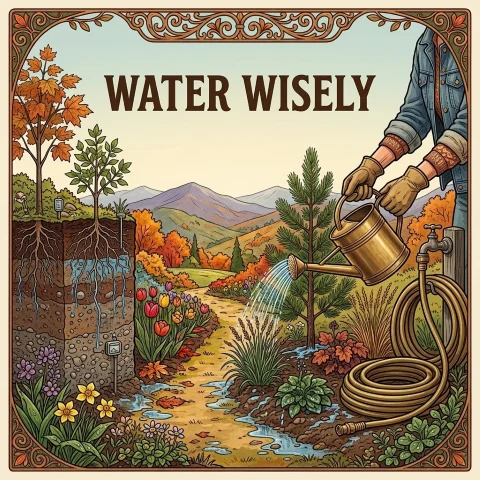
Water Wisely – One of the biggest mistakes gardeners make is rolling up the hoses too early. While the air is cooler and evaporation rates have slowed, our high-altitude sun and persistent winds can desiccate a plant in days. Your trees, shrubs, and perennials are currently “hardening off,” a process of moving moisture from their leaves into their roots and stems. They need hydration to do this effectively. Switch your schedule from frequent light misting to deep, infrequent soakings.
Mulch for Winter – Think of mulch as a cozy winter coat for your garden. Once the ground begins to cool, apply a 2-3″ inch layer of Watters Premium Mulch around the base of your trees, shrubs, and perennial beds. This layer acts as an insulator, preventing the “heaving” effect caused by the cycle of freezing and thawing that can literally push plants out of the ground.




Protect Tender Plants – With our erratic mountain weather, a 70-degree afternoon can easily plummet to a 25-degree night. Keep a close eye on the local forecast. It is time to bring sensitive houseplants back indoors after their summer vacation on the patio.
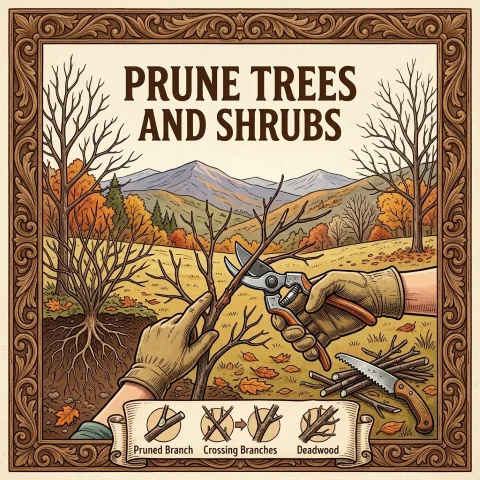
Prune Trees and Shrubs – October is an excellent time for “structural” pruning. With the leaves falling, the “bones” of your trees and shrubs become visible, making it easier to identify dead, damaged, or crossing branches. Avoid heavy “rejuvenation” pruning or shearing hedges right now. Drastic pruning can stimulate a flush of new, tender growth that won’t have time to harden off before the first hard freeze, leading to significant dieback.
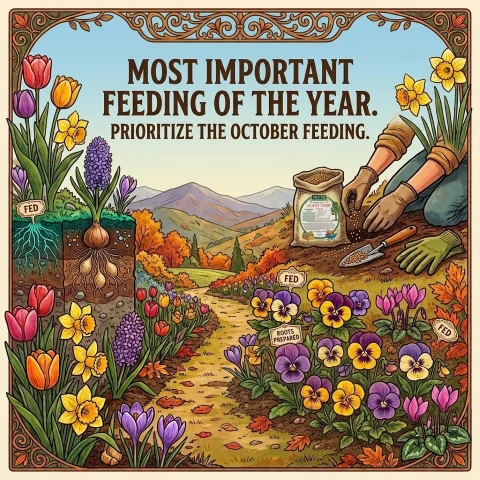
Prioritize the Most Important Feeding of the Year. October is the most important feeding of the year. Feed with Watters 7-4-4 All Purpose Plant Food; from lawns to flowers, to trees and shrubs, feed everything in the yard by Halloween. This helps your plants store essential carbohydrates in their root systems, allowing them to survive the winter and providing the fuel for a rapid “green-up” in the spring.

Plan for Next Year – While the garden is still fresh in your mind, grab a notebook or your phone and take a “virtual tour.” What thrived this year? What was a disappointment? Perhaps that sun-loving perennial ended up in too much shade, or you realized you need more late-season color in the north corner. October is the perfect time to sketch out new bed designs or order seeds for the spring.
As the golden leaves of the aspens begin to carpet the forest floor and the smell of woodsmoke starts to drift through the mountain air, take a moment to simply sit in your garden. We spend so much of the year rushing to plant, weed, and harvest that we often forget to enjoy the sanctuary we have created. These ten tasks are more than a checklist; they bridge the seasons. By investing a little sweat and foresight into your October landscape, you aren’t just preparing for winter; you are laying the foundation for a spectacular spring.



Take a Fun Class!
Learning the ropes takes time, but you don’t have to do it alone. We host free garden classes every Saturday at 9:30 a.m. at Watters Garden Center.
- October 3: Fall List for a Healthy Yard
- October 10: Autumn Colors from Fall Gardens
- October 17: Effortless Plants for Busy Gardeners
You can hear more of my tips every week on The Top 10 Gardener podcast, or better yet, we love talking to fans of this column. I’ll see you in the garden.




Ken Lain | Watters Garden Center
Recent Articles
November Voter Publicity Pamphlet has Error in it
CAFMA and Prescott Fire Department Invite Community to Help Shape Wildfire Protection Plan
City of Prescott Invites Community Members to Learn More About Long-Term Water Management Plan
October Gardening Classes Every Saturday at Watters Garden Center