

Autumn in the high country is a bit of a trickster. One day you’re enjoying a mild afternoon, and the next, a rogue frost or a drying wind sweeps through the dells. Here in Prescott, we don’t just garden; we negotiate with nature. Between the alkaline soil, the hungry deer, and the wild temperature swings, our plants have to be more than just pretty—they have to be tough.
If you’ve struggled with plants that look great at the garden center but fizzle out once they hit your backyard soil, this list is for you. These ten “Mountain Tough” survivors have earned their keep. They handle our 100-degree summer sun and our 10-degree winter snaps without breaking a sweat.
10 Plants That Can Survive Anything
1. Austrian Pine
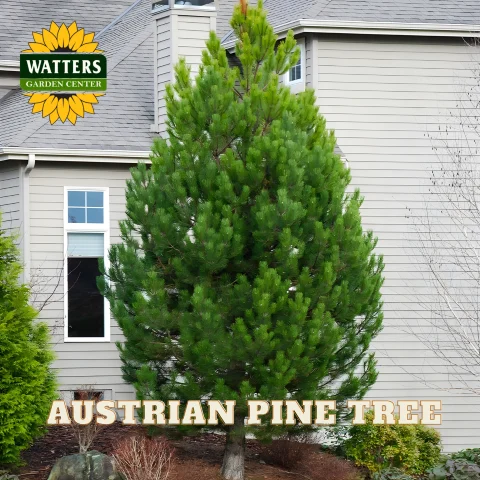
If you need a privacy screen that acts like a fortress, this is it. Unlike our native Ponderosas, which can be picky about drainage, the Austrian Pine is a tank. It handles heavy clay and wind better than almost any evergreen. It provides that deep, forest-green year-round and creates an excellent windbreak for your more delicate perennials.





2. Gro-Low Sumac
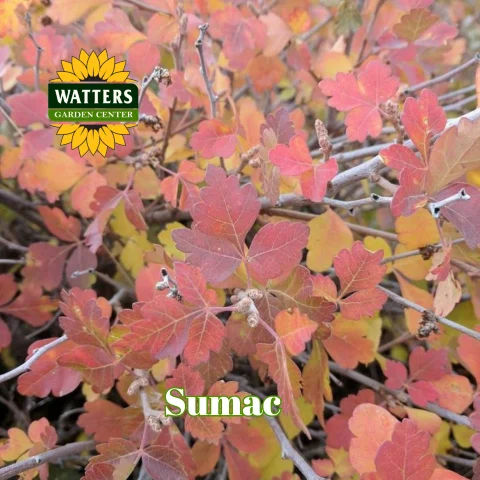
This is my go-to recommendation for bank stabilization and groundcover. It’s a “tough love” plant. It only grows about two feet tall but spreads wide. In the summer, it has clean, green foliage, but in autumn it turns a spectacular fiery red. The best part? Rabbits and deer generally leave it alone because of its fuzzy stems and tart scent.
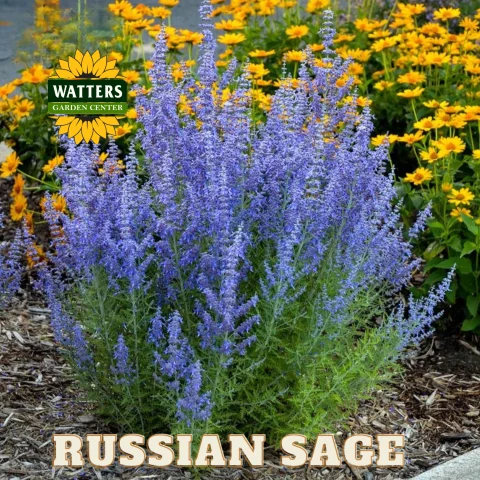
3. Russian Sage
If you want color from July through October, Russian Sage is your best friend. It loves the heat, thrives in poor soil, and requires almost no water once established. Its airy, lavender-blue spires attract bees and butterflies by the hundreds. The aromatic foliage is a total turn-off for deer and javelina alike.
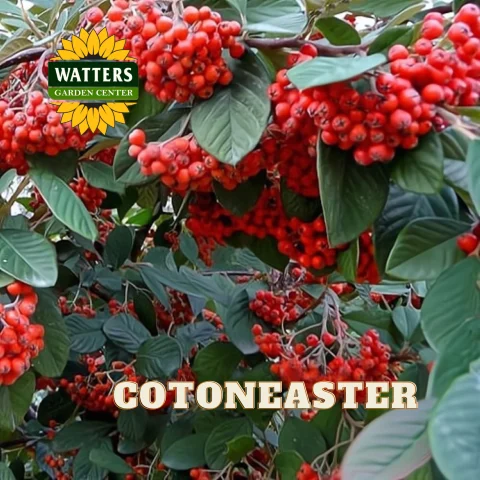


4. Coral Beauty Cotoneaster
This is the workhorse of the Prescott landscape. It’s an evergreen shrub that hugs the ground or drapes over boulders. In spring, it’s covered in white flowers, followed by bright red berries that persist through winter. It’s incredibly cold-hardy and stays green even when the temperatures drop into the single digits.
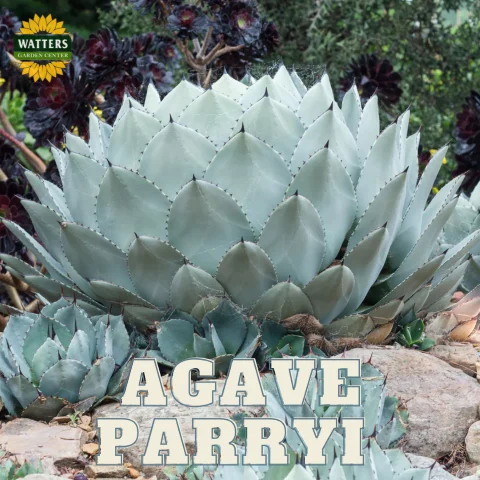
5. Artichoke Agave (Agave parryi) is the king of the Prescott succulents. Unlike the desert agaves that melt when it hits 20 degrees, the Artichoke Agave can handle temperatures well below zero. It adds an excellent “architectural” feel to the garden and requires almost no maintenance.
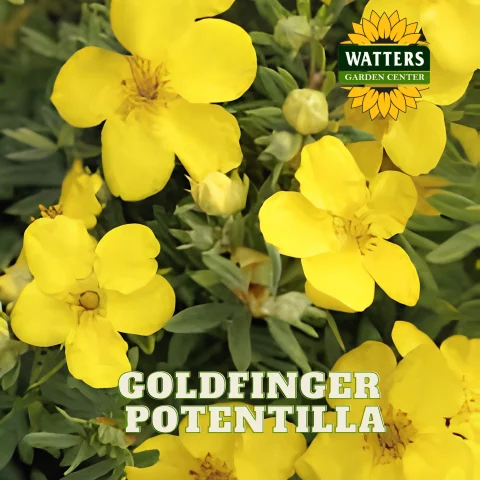
6. Goldfinger Potentilla
This is a mountain classic for a reason. Potentilla is one of the few shrubs that will bloom from June until frost. You will find six different colors at the garden center, but the ‘Goldfinger’ variety has the largest, butter-yellow flowers. It’s a deciduous shrub, meaning it loses its leaves in winter, which actually helps it survive our heaviest snow loads without breaking branches.
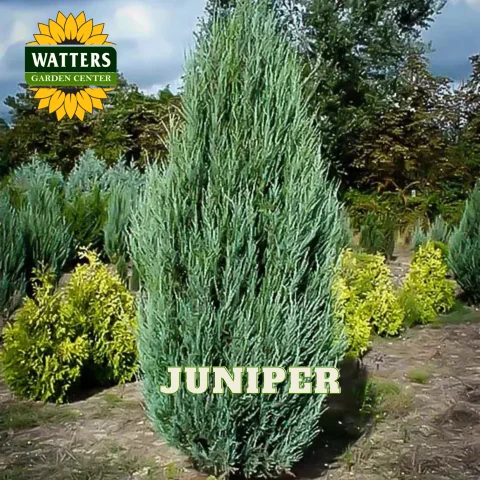
7. Skyrocket Juniper
When space is tight, but you need height, the Skyrocket is the answer. It grows tall and narrow, like a blue exclamation point. It’s perfectly adapted to our dry air and intense UV rays. I use these often to frame entryways or hide a neighbor’s unsightly shed.
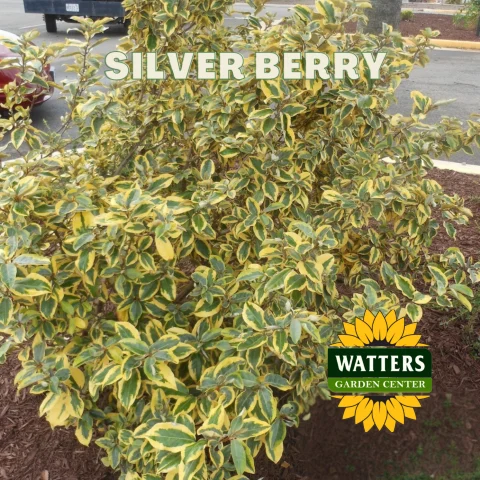


8. Gilt Edge Silverberry (Elaeagnus) is a “bright spot” plant. The leaves have a brilliant gold margin that stays vibrant all winter. It’s tough as nails and handles the buffeting winds we get coming off the mountains. It also produces tiny, silver flowers in autumn that smell like expensive perfume.
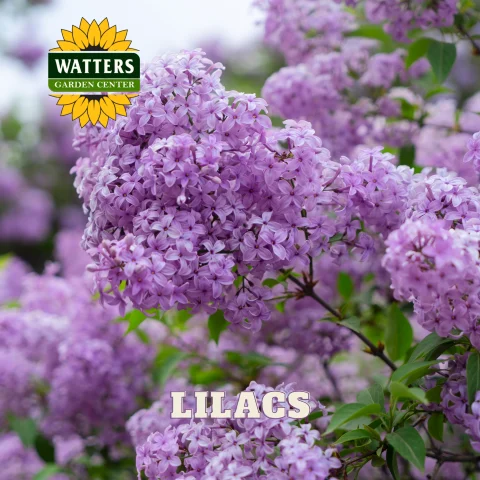
9. Lilac (Common & Miss Kim)
People are often surprised that Lilacs do so well here, but they actually crave our winter chill to set their blooms. They are deep-rooted and exceptionally long-lived. A Lilac planted today will likely still be blooming for your grandchildren. They handle our spring winds with grace and provide that unmistakable fragrance that signals the turn of the season.
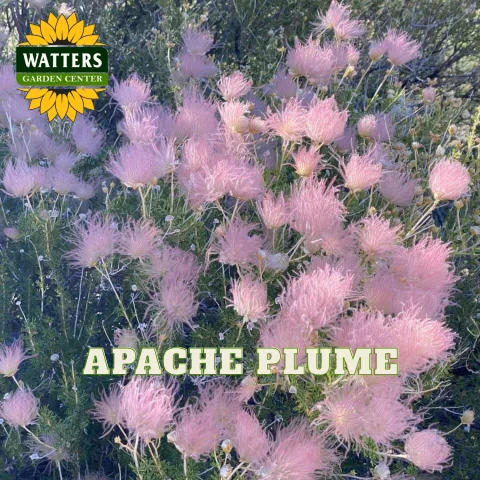
10. Apache Plume
This is a true high-desert native. It features delicate, white, rose-like flowers, but the real show starts when it goes to seed. It produces feathery, pink, silken seed heads that look like puffs of smoke. It is perhaps the most drought-tolerant plant on this list. Once it’s in the ground for a year, you can almost forget about the hose.
Bonus: 2 Tough Evergreens
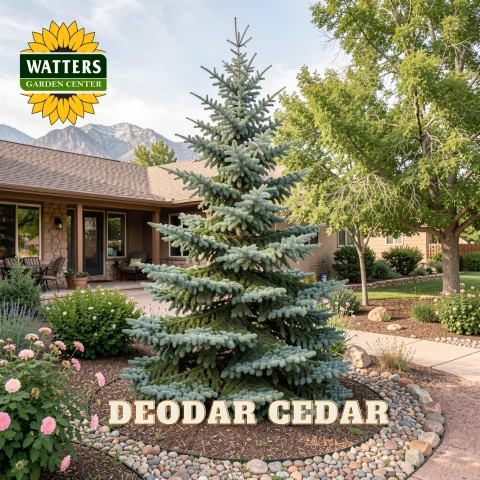
Deodar Cedar is the most elegant evergreen you can plant. It has a soft, pendulous habit that looks like it belongs in a high-mountain forest. It’s surprisingly drought-tolerant once its roots reach deep into the soil.
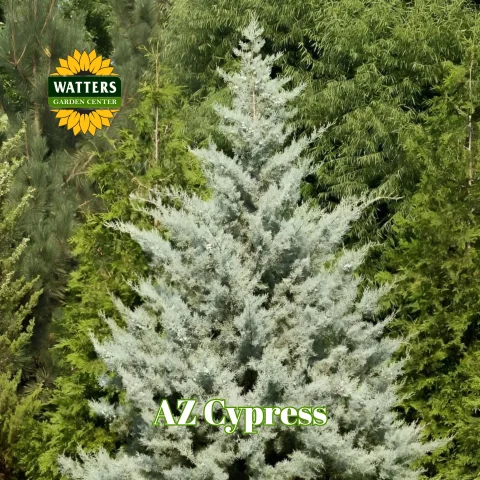
Arizona Cypress is a “plant it and forget it” tree. It loves our intense UV light and thin air. The ‘Blue Ice’ or ‘Carolina Sapphire’ varieties are especially popular because that silvery-blue color pops beautifully against our red rocks and blue skies.
Pro Tip: How to Plant in Mountain Soil
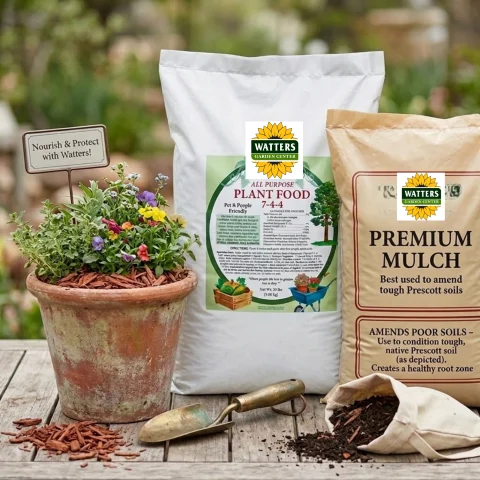
The Secret to Success. Even the toughest plant needs a good start. When you plant this fall, always use Watters Premium Mulch and don’t forget Watters 7-4-4 All Purpose Food. It provides the slow-release nutrients these mountain survivors need to establish deep roots before the ground freezes.

Join Me at the Garden Center!
Learning the ropes takes time, but you don’t have to do it alone. We host free garden classes every Saturday at 9:30 a.m. at Watters Garden Center.
1. September 5: Groundcovers & Fast Vines for Quick Gardens
2. September 12: Unbreakable Plants for Prescott Gardens
3. September 19: Fast-Growing Plants for Secret Garden Privacy
Until next week, I’ll be helping new local gardeners here at Watters Garden Center.
Ken Lain can be found throughout the week at Watters Garden Center, 1815 Iron Springs Rd in Prescott, or contacted through his website at WattersGardenCenter.com or Top10Plants.com