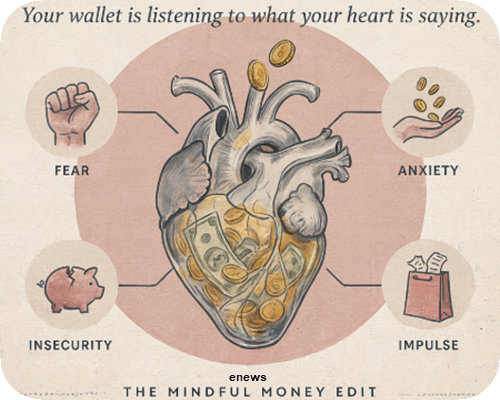
Money habits often get treated like a character test. If you save consistently, you are disciplined. If you overspend, you are careless. If you avoid your account balance, you are irresponsible. That explanation sounds neat, but real life is messier than that. People do not use money only to buy things. They use it to calm down, feel in control, reward themselves, protect their image, and create a sense of relief when their emotions feel too loud.
That is why financial habits can feel so confusing. You can know what you are supposed to do and still do the opposite. You might promise yourself this is the month you finally stick to a plan, then end up stress shopping after a hard week or putting off calls about bills because the shame feels too heavy. For some people, even searching for debt relief near me is not just a financial step. It is an emotional one. It can mean admitting that money has become tied to fear, exhaustion, and the need to breathe again.
A bank statement, in that sense, is not just a record of purchases. It can read like a private emotional diary. The takeout after an argument, the expensive impulse buy after a draining workday, the unused subscription kept out of guilt, the generous spending on friends because saying no feels uncomfortable. When emotions go unprocessed, money often becomes the tool the brain reaches for first.
Money Is Often Standing In For Something Else
Most spending choices are not purely about the item being purchased. They are about what the item promises. A new outfit can promise confidence. A nicer car can promise status. A full online cart can promise relief from boredom. Picking up the tab can promise approval. Even hoarding money can promise safety when life feels uncertain.






This is what makes personal finance so personal. Behind many habits, there is a feeling trying to solve a problem. The problem is that money can briefly mimic emotional repair without actually creating it. The purchase lands, the feeling lifts for a moment, and then the original discomfort returns. That cycle can quietly shape spending for years.
Sometimes the pattern is not overspending at all. Sometimes it is avoidance. A person who grew up around conflict about money may freeze when a bill arrives. Someone who links money mistakes with shame may stop opening statements entirely. On the outside, that looks like procrastination. On the inside, it can feel more like self protection.
Your Brain Loves Quick Relief
The brain is not always aiming for your long term goals. A lot of the time, it is aiming for immediate comfort. That matters because money offers fast action. You can tap a screen, place an order, and get a tiny burst of relief in seconds. In stressful moments, that speed is powerful.
This is one reason emotional spending is so common. It is not only about wanting more stuff. It is about the nervous system searching for an exit ramp. According to HelpGuide’s overview of stress management, stress affects how clearly people think and function, which helps explain why financial decisions made in tense moments are often reactive instead of thoughtful.






When your body is flooded with stress, your future self becomes easier to ignore. The savings goal next month does not feel as real as the discomfort you want to escape right now. That does not make you weak. It makes you human. But it does mean that better money habits often begin with emotional awareness, not just stricter rules.
Financial Habits Can Start In Childhood
Many adult money behaviors are learned long before anyone has a paycheck. Kids absorb the emotional atmosphere around money. They notice whether bills trigger panic, whether spending means celebration, whether talking about money causes arguments, and whether having more is connected to worth.
Later, those lessons can show up in subtle ways. A person raised in scarcity may overspend when they finally have access to money because deprivation taught them that security can vanish at any time. Another person may under spend so severely that they cannot enjoy what they have because caution became their survival skill. Someone praised for appearing successful may keep spending to maintain an image, even when it causes private stress.
Research and education resources from the National Endowment for Financial Education have long emphasized that money decisions are shaped by attitudes, experiences, and behavior, not just knowledge. That helps explain why information alone does not always change financial patterns. You can understand interest rates and still use shopping to numb loneliness.
Shame Is One Of The Quietest Drivers
Shame often fuels unhealthy money habits. It can lead to overspending to hide insecurity or avoiding financial problems because facing them feels overwhelming. Without self-compassion, people often swing between emotional spending and unrealistic budgets. Lasting financial change begins with accepting the truth without harsh self-judgment.
What To Ask Instead Of “Why Am I Bad With Money?”


Ask, “What feeling is this habit trying to manage?” Overspending, avoiding bills, or lending money you cannot spare often serve emotional needs. Identifying those needs helps you address the real issue—whether it is stress, self-esteem, anxiety, or the need for control.
Small Interruptions Can Change Big Patterns
Small interruptions are often more effective than dramatic changes. If stress leads to spending, pause before buying. If you avoid your accounts, make checking them a simple habit. If shame keeps you stuck, talk to someone you trust. You do not need to fix everything at once—just interrupt unhealthy patterns consistently to build better habits.
A Healthier Financial Life Is Also An Emotional Skill
Lasting financial health is about more than budgeting. When you understand the emotions behind your money habits, you can replace unhealthy coping patterns with healthier choices, making meaningful and lasting financial change possible.