
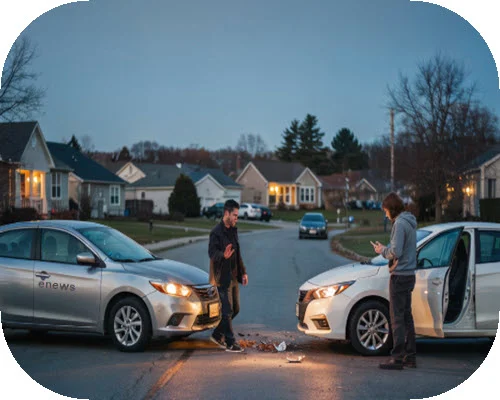
If someone rear-ended your car tomorrow in a city like Vegas, would you know what to do? Not just in the moment, but in the days and weeks that follow? Most drivers are confident on the road but completely lost when it comes to the legal side of accidents.
Liability determines who pays, who is protected, and who walks away with the short end. And knowing how it all works could be the difference between a resolved claim and a financial nightmare.
What Does “Liability” Actually Mean?
In simple terms, liability means legal responsibility. When an accident happens, liability determines who pays for medical bills, car repairs, and other losses.
In most places, the driver who caused the accident is the one held liable. This sounds straightforward, but real-life crashes are rarely that simple. Multiple drivers can share blame, and the final decision often comes down to evidence.
How Fault Is Determined After a Crash
After an accident, investigators look at a range of evidence to figure out who is at fault. This includes police reports, witness statements, traffic camera footage, and even skid marks on the road.






Insurance adjusters also play a big role. They review all the available evidence and make a judgment call about who caused the crash. Their decision directly affects who pays and how much.
It is important to know that fault is not always placed on just one driver. In many cases, both drivers share some percentage of the blame, which brings us to a concept called comparative negligence.
Comparative Negligence
Comparative negligence is a rule used in many places to split fault between drivers involved in a crash. If you were found to be 30% at fault and the other driver 70%, your compensation would be reduced by your share of the blame.
Some regions follow a stricter version called contributory negligence, where a driver found even slightly at fault may receive no compensation at all. Knowing which rule applies in your area can make a big difference in what you are entitled to recover.
This is why speaking with a legal professional after a serious accident is always a smart move. The rules can vary widely depending on where the crash occurred.






The Role of Car Insurance in Liability
Car insurance is your financial safety net when liability is determined against you. Most places require drivers to carry at least a minimum level of liability coverage, which helps pay for the other party’s damages if you caused the crash.
There are generally two sides to liability coverage: bodily injury liability, which covers medical costs for injured victims, and property damage liability, which covers repairs to the other driver’s vehicle or property.
Without proper coverage, you could be personally responsible for paying these costs out of pocket, which can quickly run into thousands of dollars.
What to Do Immediately After an Accident
If you’re living in a place like Vegas and wondering what to do after a car accident in Las Vegas, then here some tips to follow:
- Stay at the scene and check for injuries
- Call emergency services right away
- Exchange insurance and contact details with the other driver
- Take photos of the vehicles, road conditions, and any visible injuries
- Gather contact information from witnesses nearby
- Avoid admitting fault or making apologies at the scene
- File a report with your insurance company as soon as possible
How you handle the moments right after the crash can have a major impact on how liability is decided. Also, what you say and do right after a crash becomes part of the official record, so staying calm and focused is critical.
Common Mistakes That Can Hurt Your Case
Many drivers unknowingly damage their own liability case by making avoidable mistakes. One of the most common is admitting fault at the scene, even with a simple “I’m sorry.” That statement can be used against you later.
Another mistake is waiting too long to report the accident to your insurer. Most policies require prompt reporting, and delays can lead to denied claims. Skipping medical attention is also a problem, especially if injuries surface days later and there is no early record to support your claim.
Social media is another trap. Posting about the accident online, even casually, can give the other party’s legal team ammunition to use in their favor.


Third Party Liability
Sometimes the driver is not the only one who can be held liable. If a faulty vehicle part caused the crash, the manufacturer could share responsibility. If poor road conditions were a factor, a government agency might be involved.
Employers can also be held liable when their employee causes an accident while on the job. This is called vicarious liability, and it means that more than one party could be on the hook for covering the victim’s losses.
Understanding this opens the door to a broader investigation after serious crashes, particularly when the damages are significant.
Why Your Driving Record Matters
Your history behind the wheel plays a role in how insurance companies and courts view your case. A clean record makes it easier to argue that an accident was not typical of your behavior on the road.
On the other hand, previous violations like speeding tickets or prior at fault accidents can work against you. Insurers may see you as a higher risk and adjust your premiums or limit your coverage as a result.
Keeping a good driving record is not just about avoiding fines. It protects your credibility if you are ever involved in a disputed claim.
Final Thoughts
Accident liability is one of those topics that most drivers never think about until they are sitting on the side of the road after a crash. By then, it is almost too late to learn the basics.
Knowing how fault is determined, what your insurance covers, and what steps to take after a collision puts you in a much stronger position. It protects your finances, your legal standing, and your peace of mind.
Stay informed, carry the right coverage, and always drive with care. Because on the road, being prepared is just as important as being skilled.