


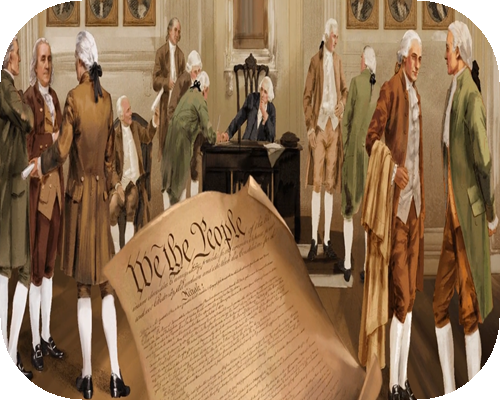


Under a veil of secrecy, the framers of the U.S. Constitution met behind locked doors and closed windows during the steamy Philadelphia summer of 1787.
So important was their work that dirt was spread across the cobblestone street to muffle the clatter of passing carriages in front of the Pennsylvania State House, where guards were posted. Inside, 55 delegates gathered to hammer out the framework of the fledgling nation’s government.
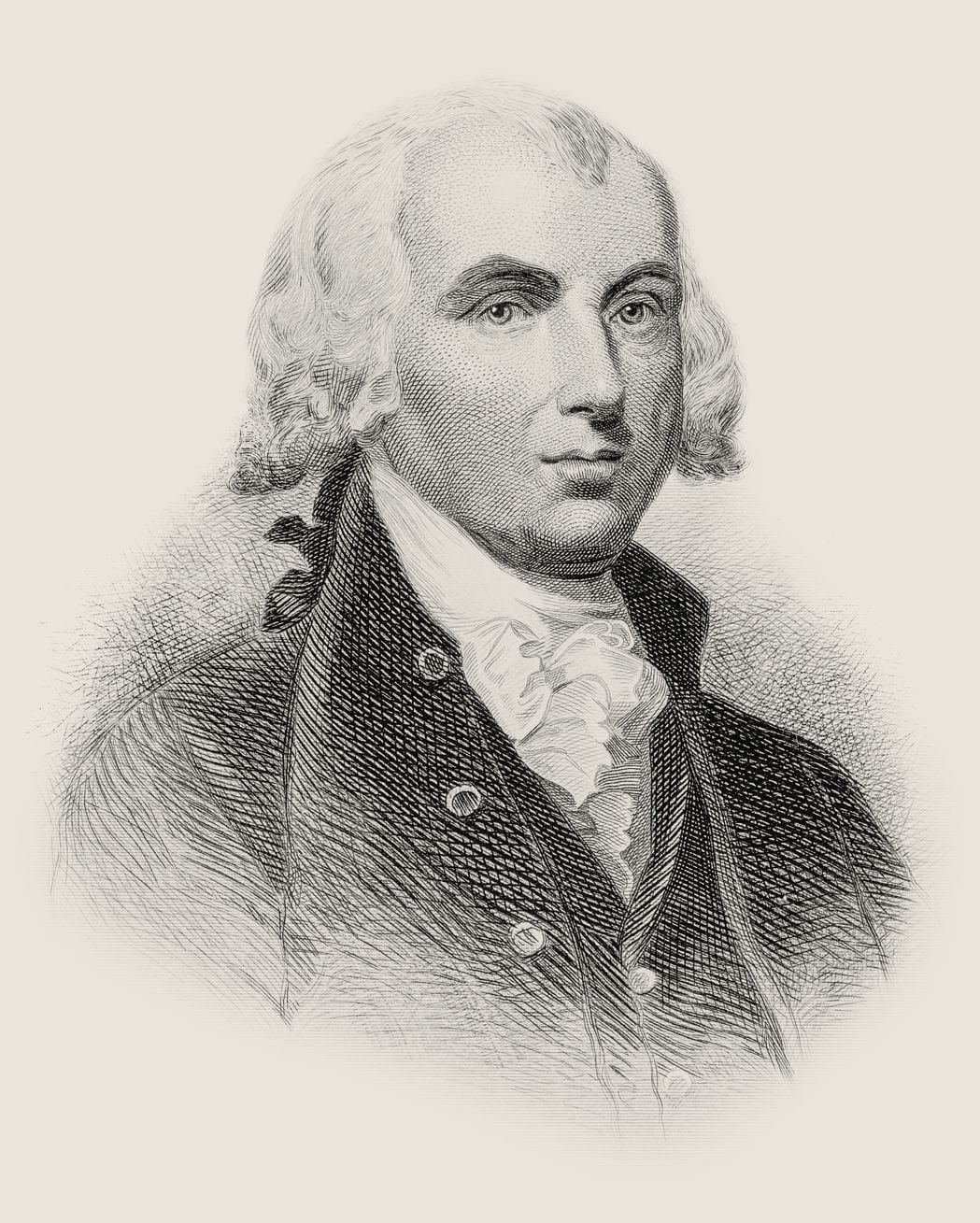
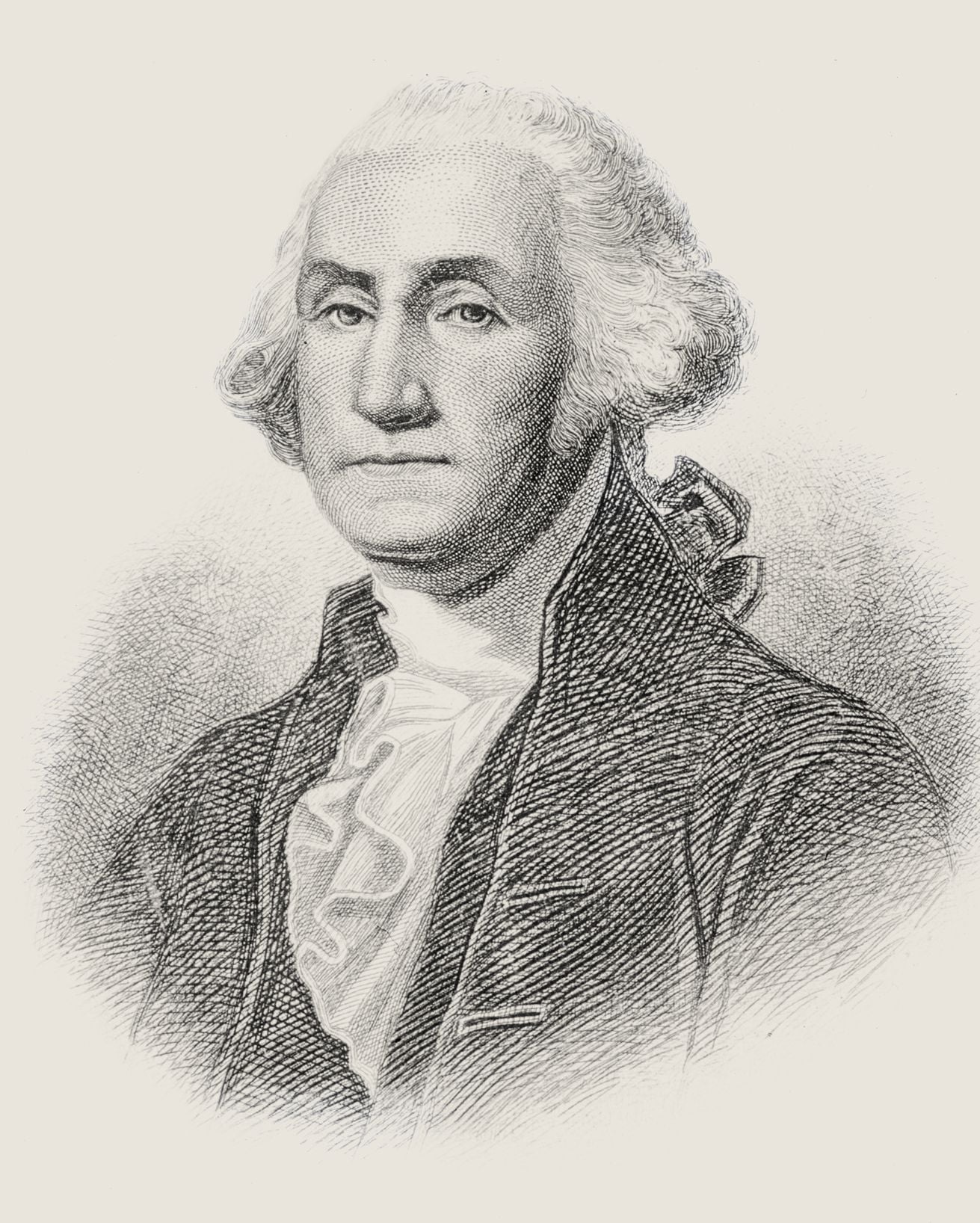
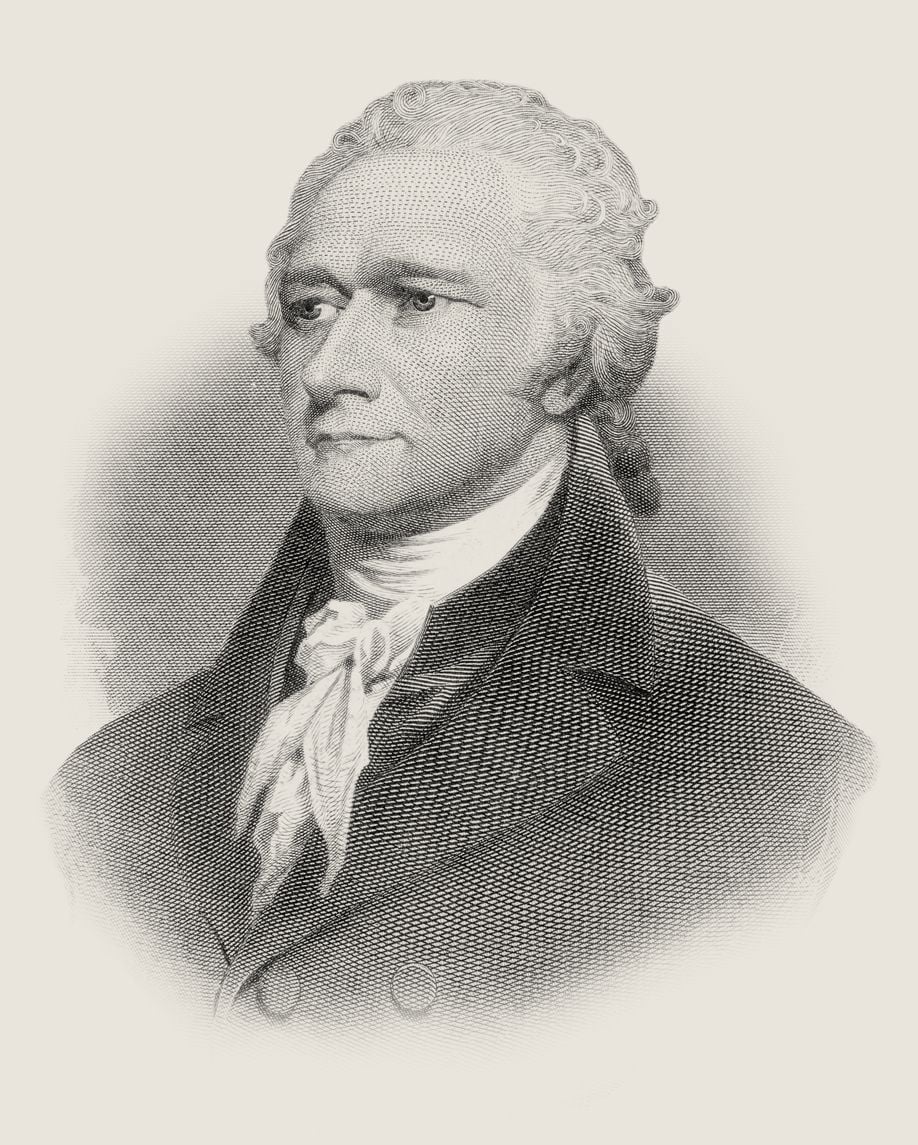
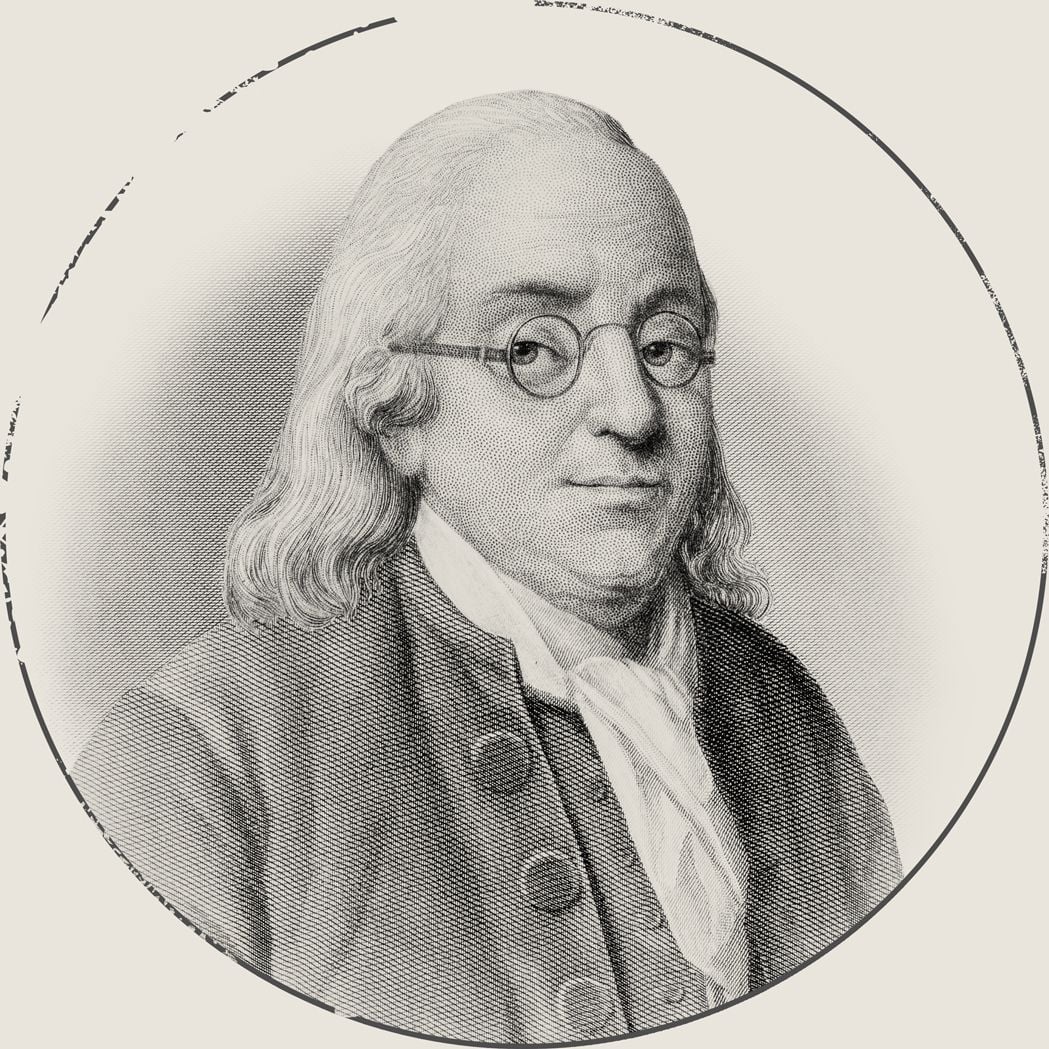
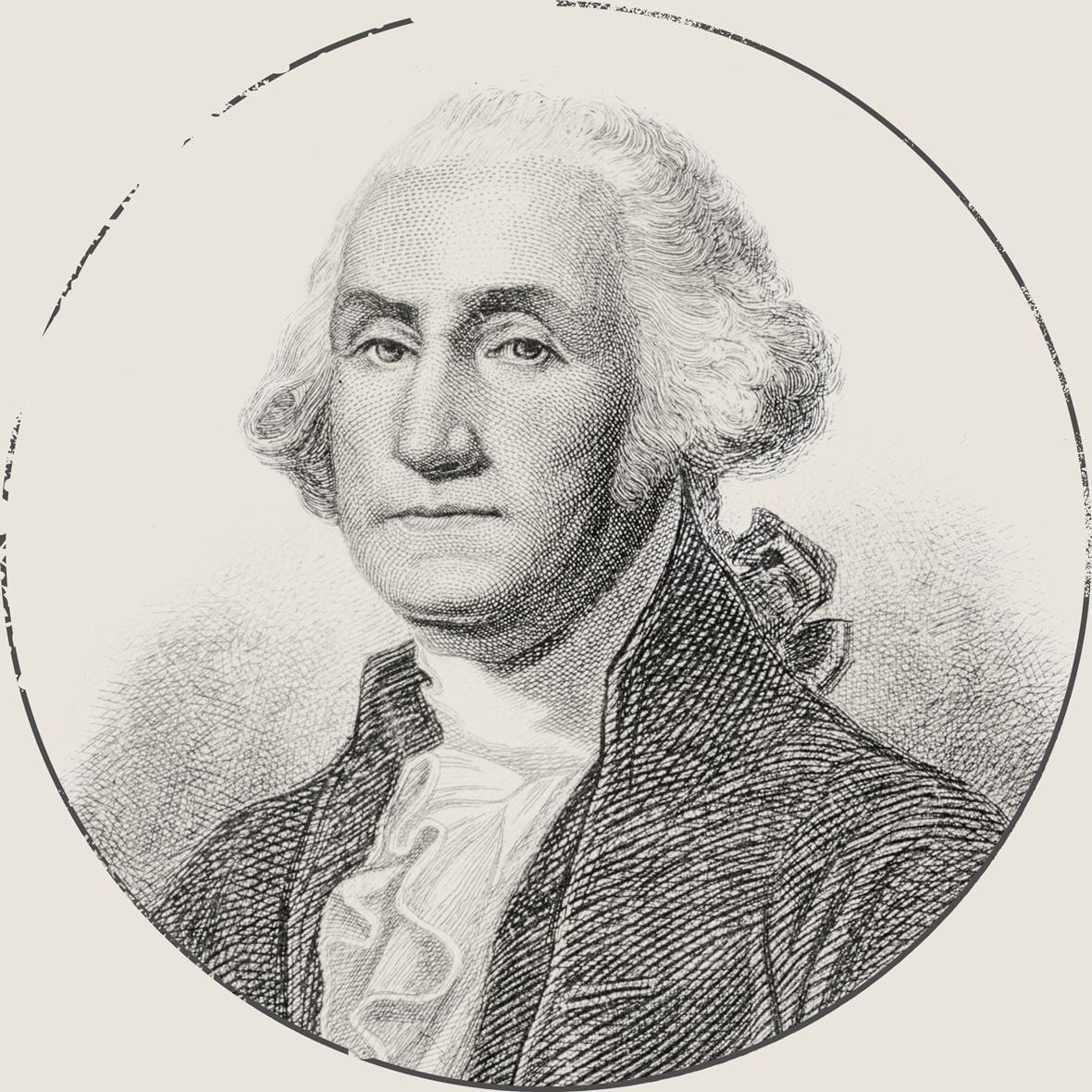
The group included Founding Fathers such as George Washington, James Madison, Benjamin Franklin, and Alexander Hamilton—titans of their age who forged the Constitution into one of the most enduring and consequential documents in history.
George Washington
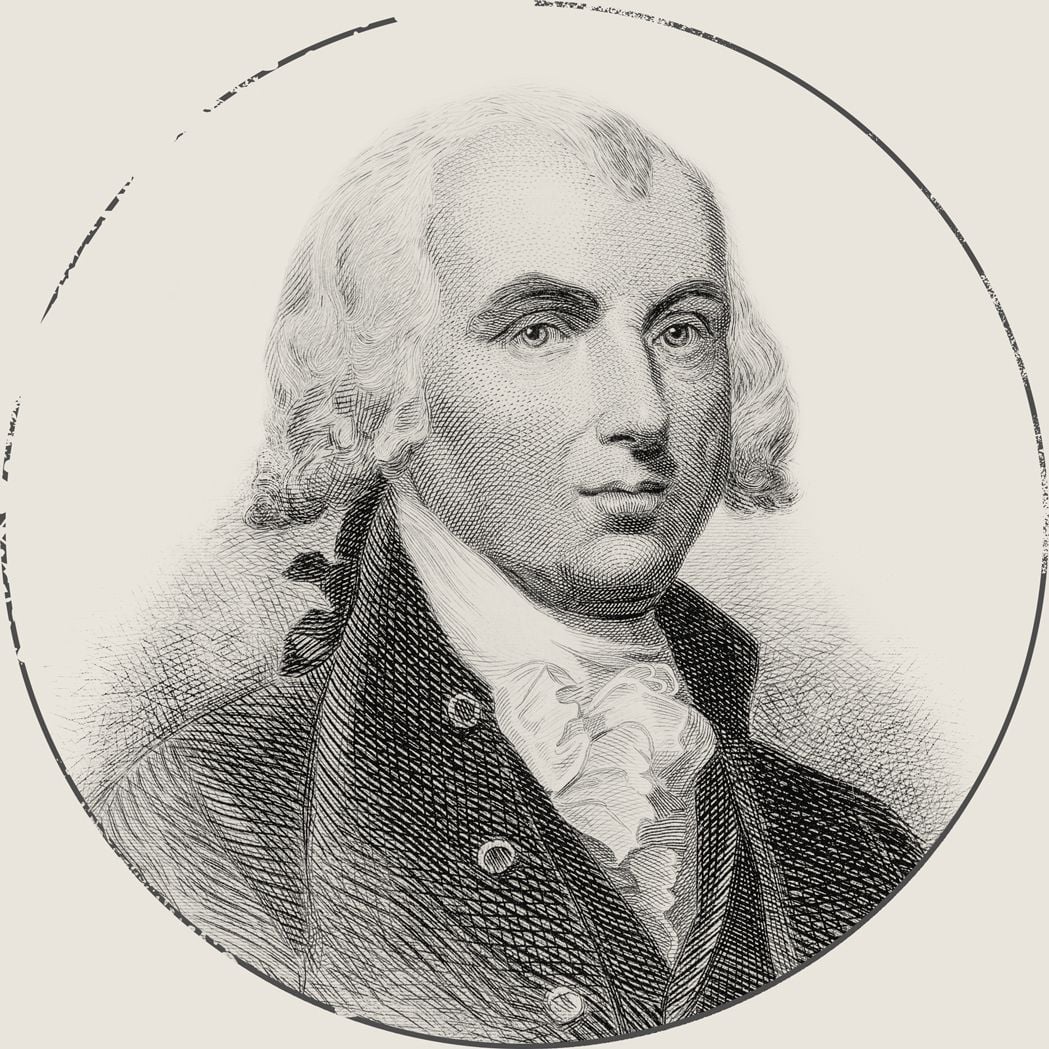
James Madison
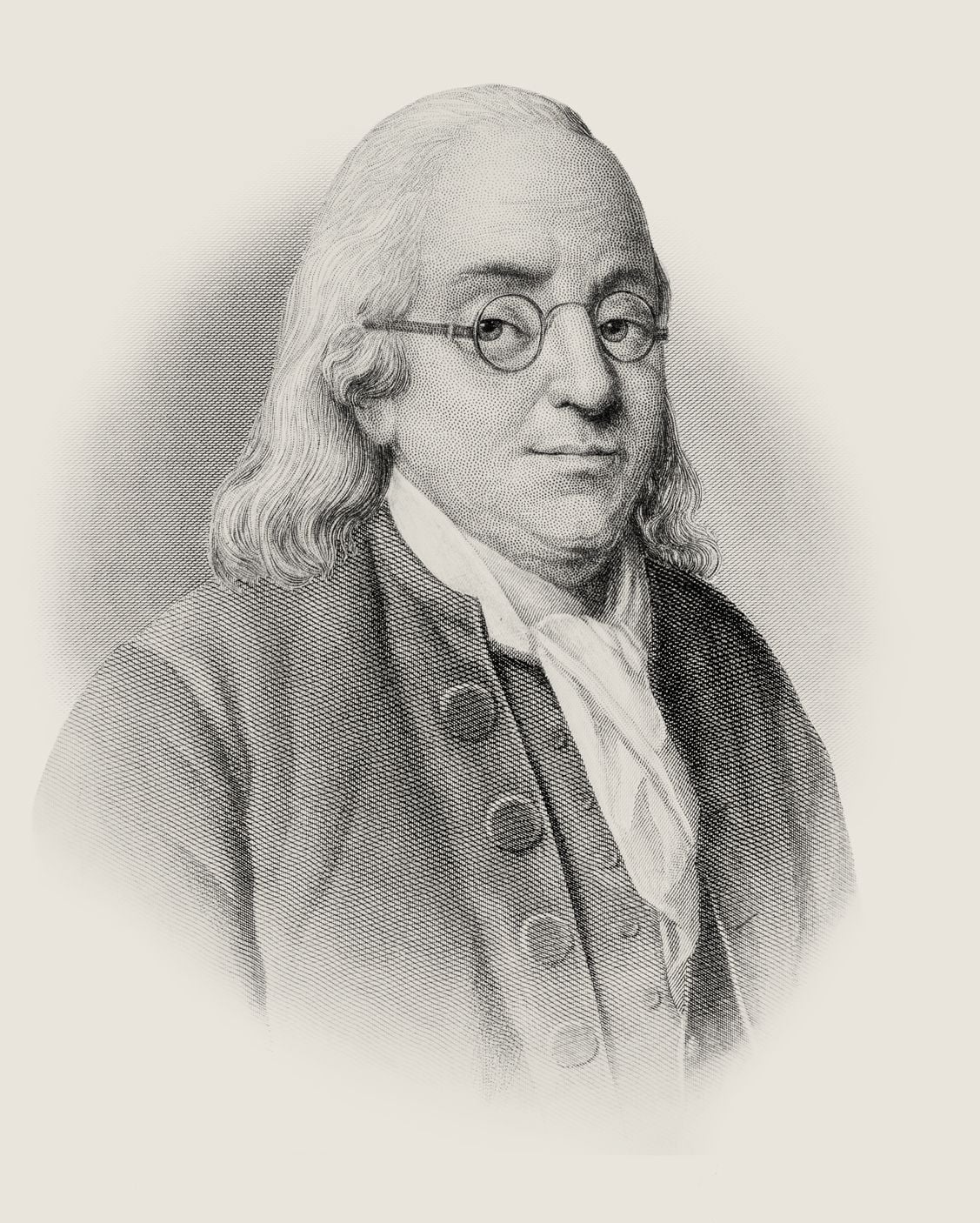
Benjamin Franklin
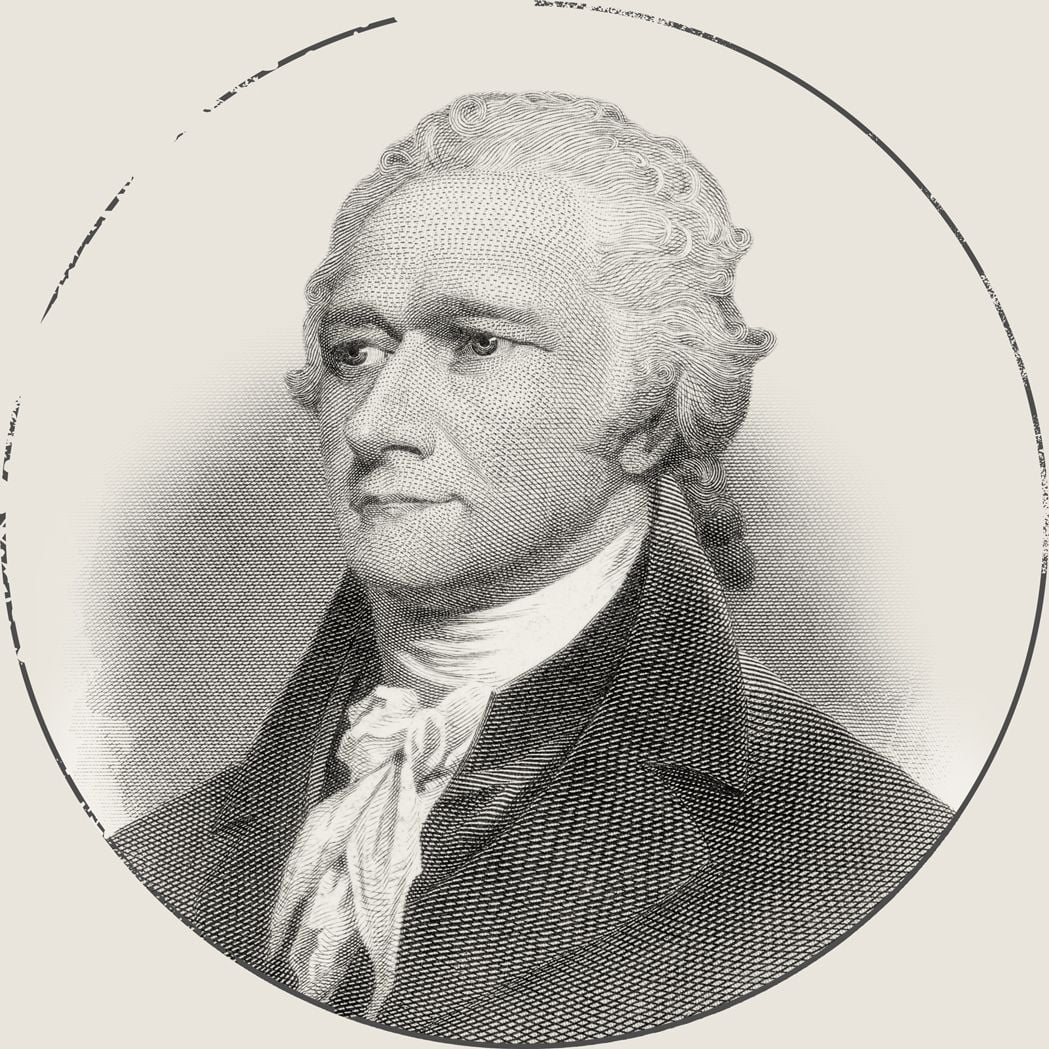
Alexander Hamilton
The U.S. Constitution is considered the world’s longest-surviving written charter of government.
In the modern era, America’s constitutional republic is often compared to the Roman Republic, which lasted nearly 500 years, because of their similar size and power in their respective eras.
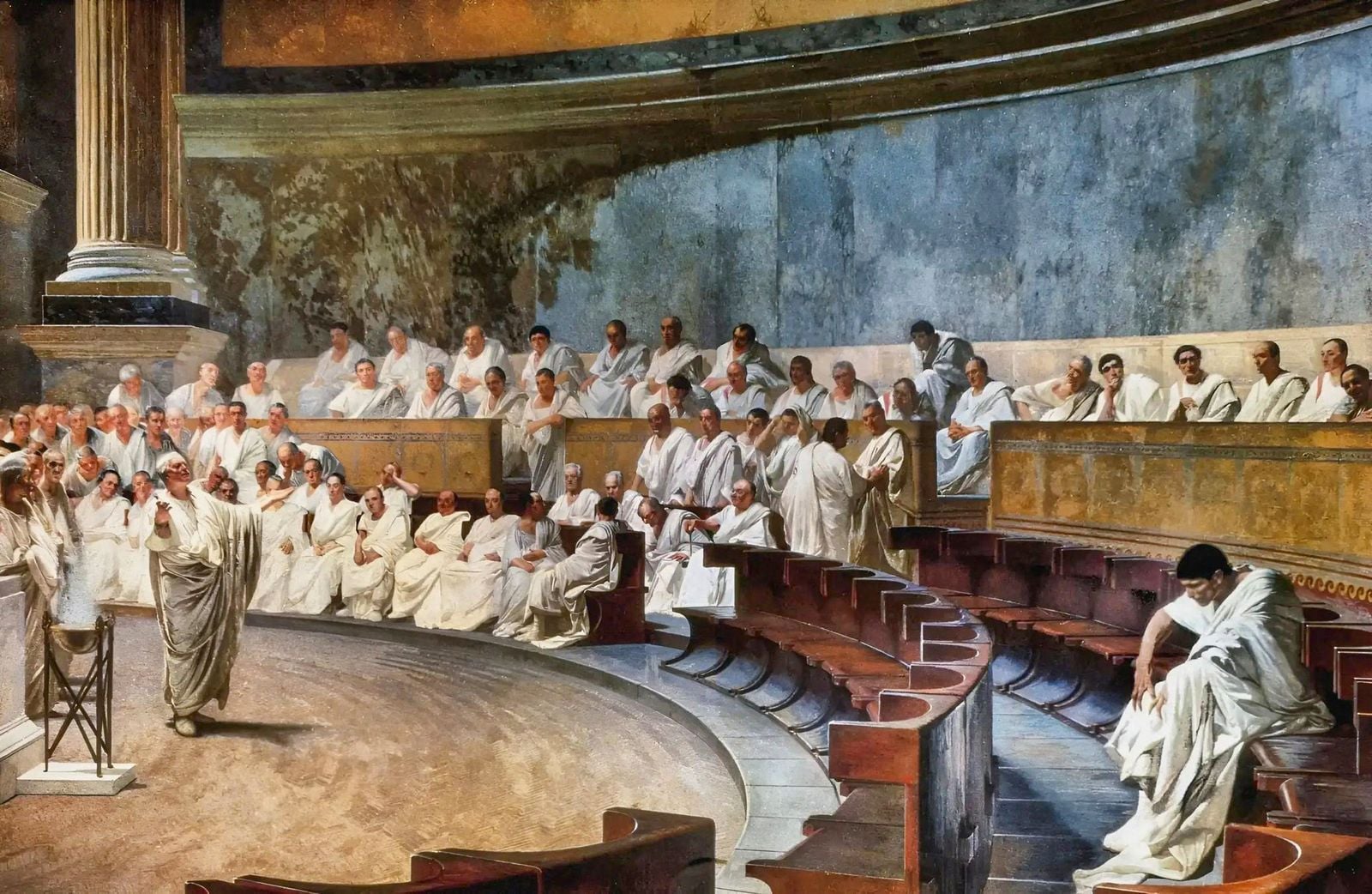

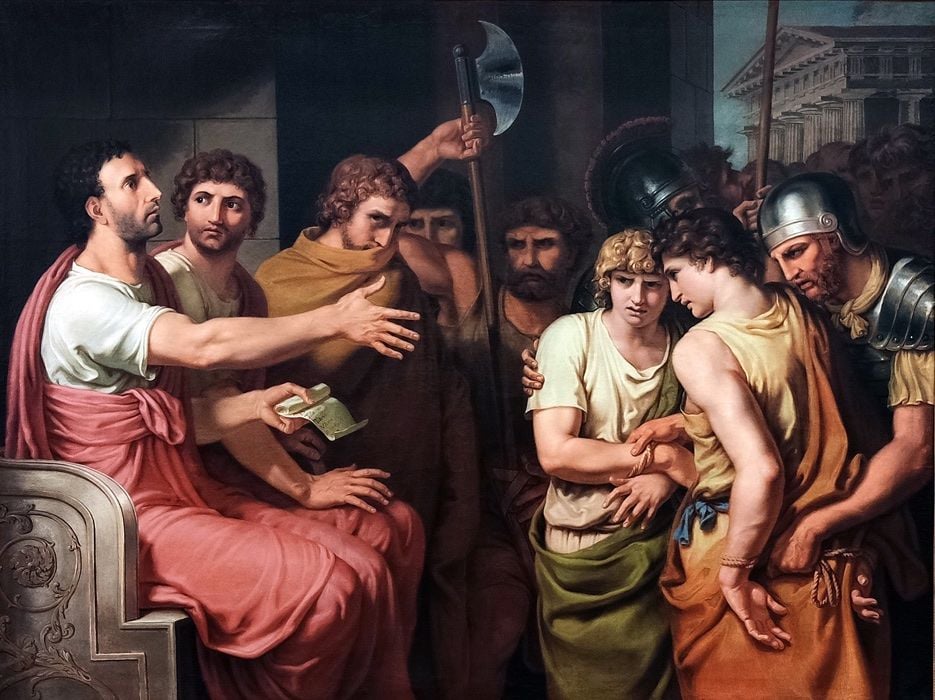
An artist’s impression of Roman statesman and orator Cicero denouncing Catilene, a Roman general and politician, for plotting to overthrow the Roman Republic, in Rome in 63 B.C. In his essay, “The Fate of Empires and Search for Survival,” Sir John Bagot Glubb said that the Roman Republic existed as such for 233 years. (Cesare Maccari/Public Domain)
The framers of the Constitution were attempting a momentous feat, an experiment in self-governance on a grand scale. For more than two millennia, kings and queens had ruled nations almost exclusively.
As Caroline Winterer, chair of Stanford University’s history department, explained during a 2020 interview, what the framers were trying to accomplish was nothing short of extraordinary.
“It required them to completely overturn 2,000 years of thinking about political science,” she said.
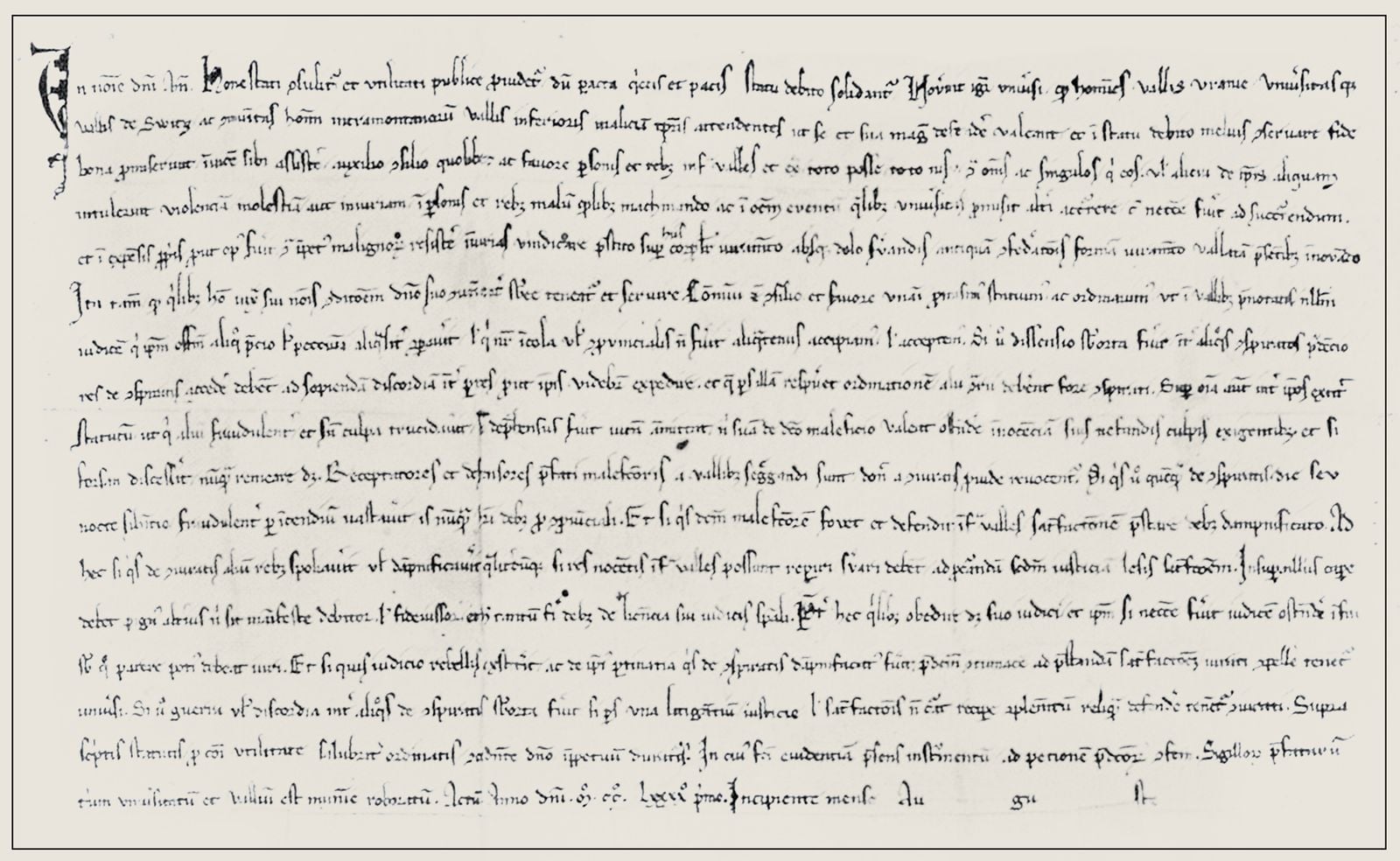
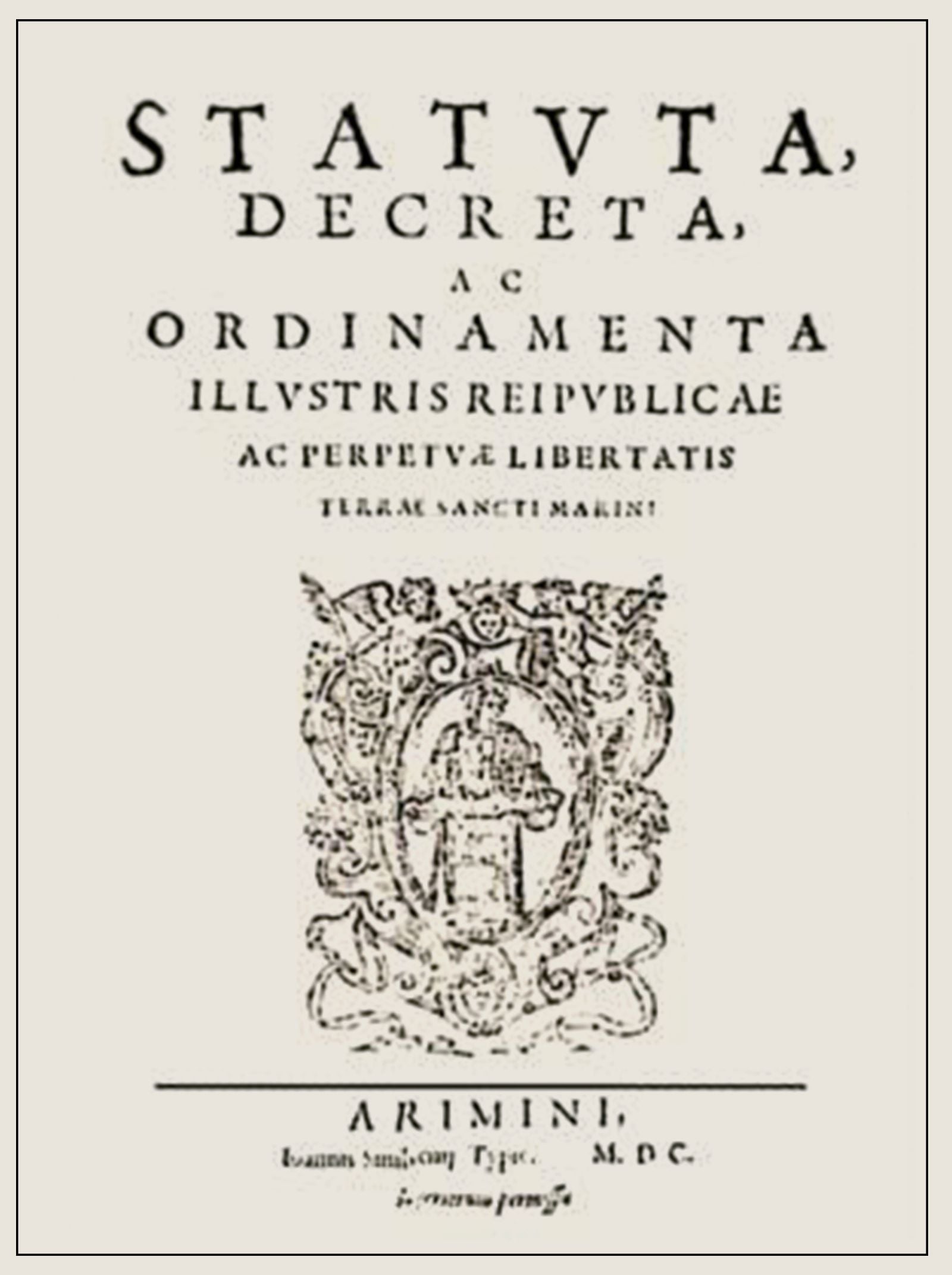
Only a few small countries existing today can claim to have republics older than that of the United States. Examples include San Marino, a European microstate that claims to be the world’s oldest republic, founded in A.D. 301, and Switzerland, which has a decentralized self-governance dating back to its Federal Charter of 1291.
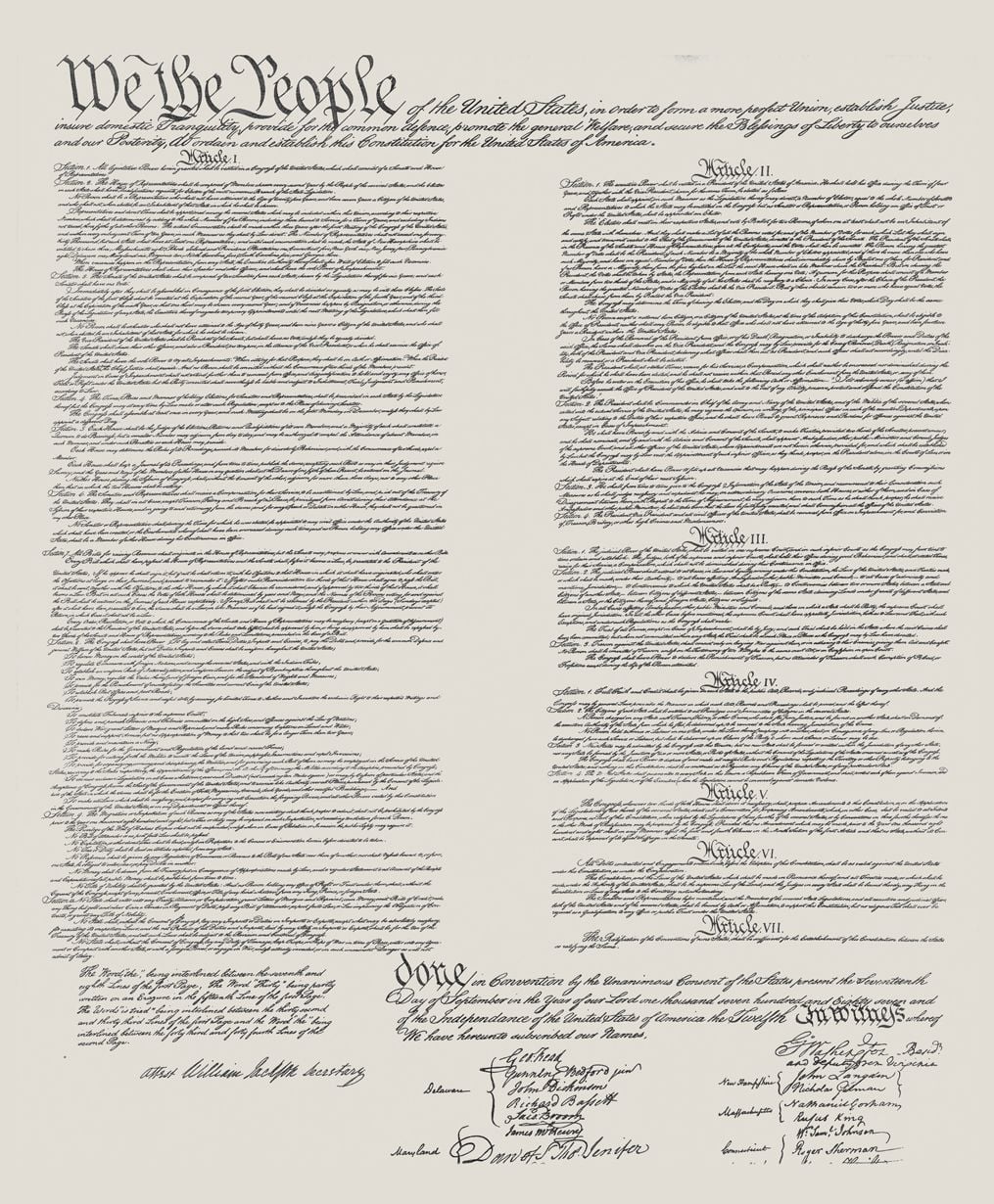
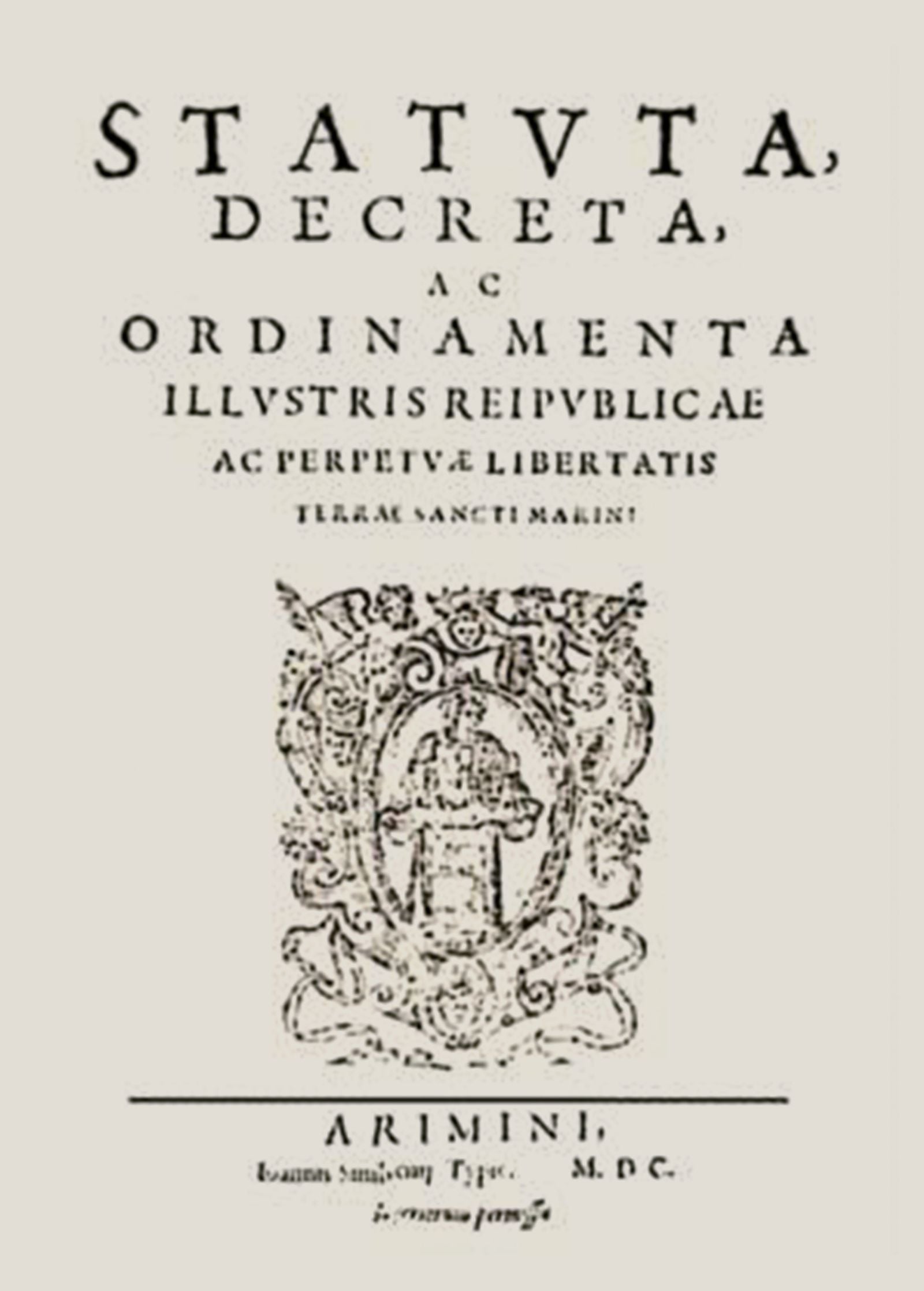
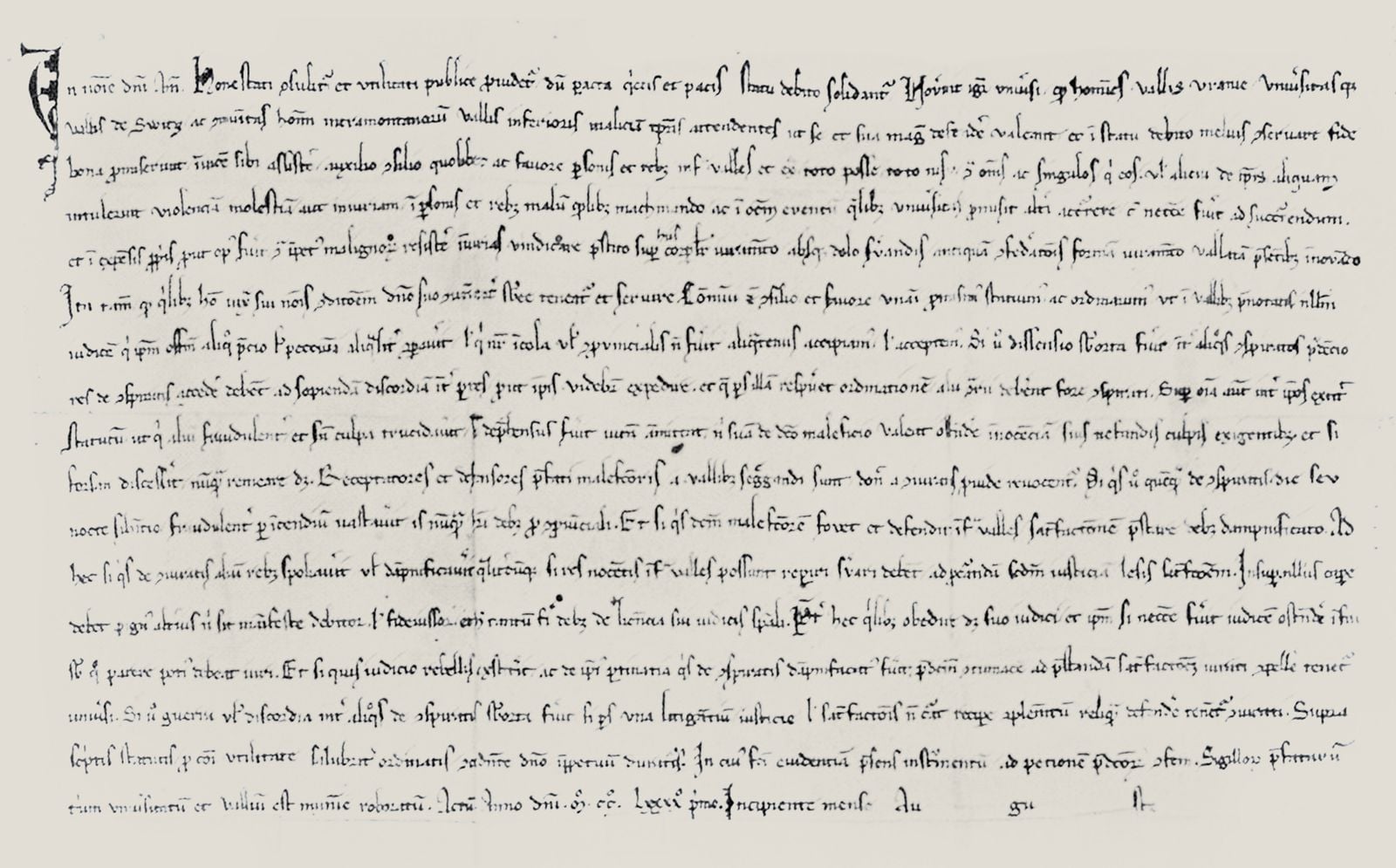
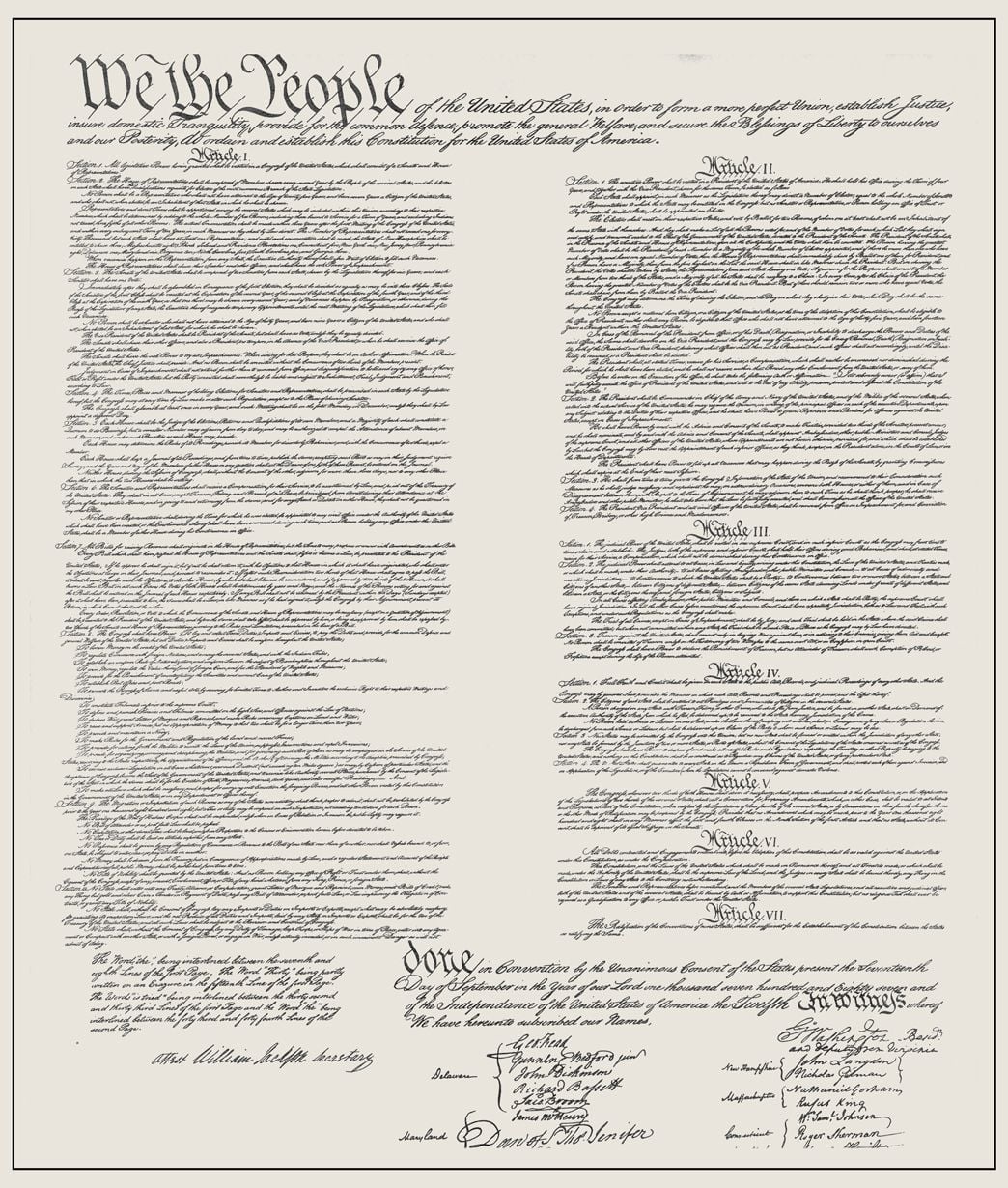
The U.S. Constitution, dated Sept. 17, 1787.
Statutes of San Marino, 1600.
The Swiss Federal Charter of 1291.
“I think we are the longest-lasting stable democracy in the history of humankind, and that’s because of the Constitution,” said Hans von Spakovsky, senior legal fellow at Advancing American Freedom.
The Great Experiment
In the late 19th century, British Prime Minister William Gladstone observed that America’s Constitution, created in a matter of months, was one of the greatest documents ever written.
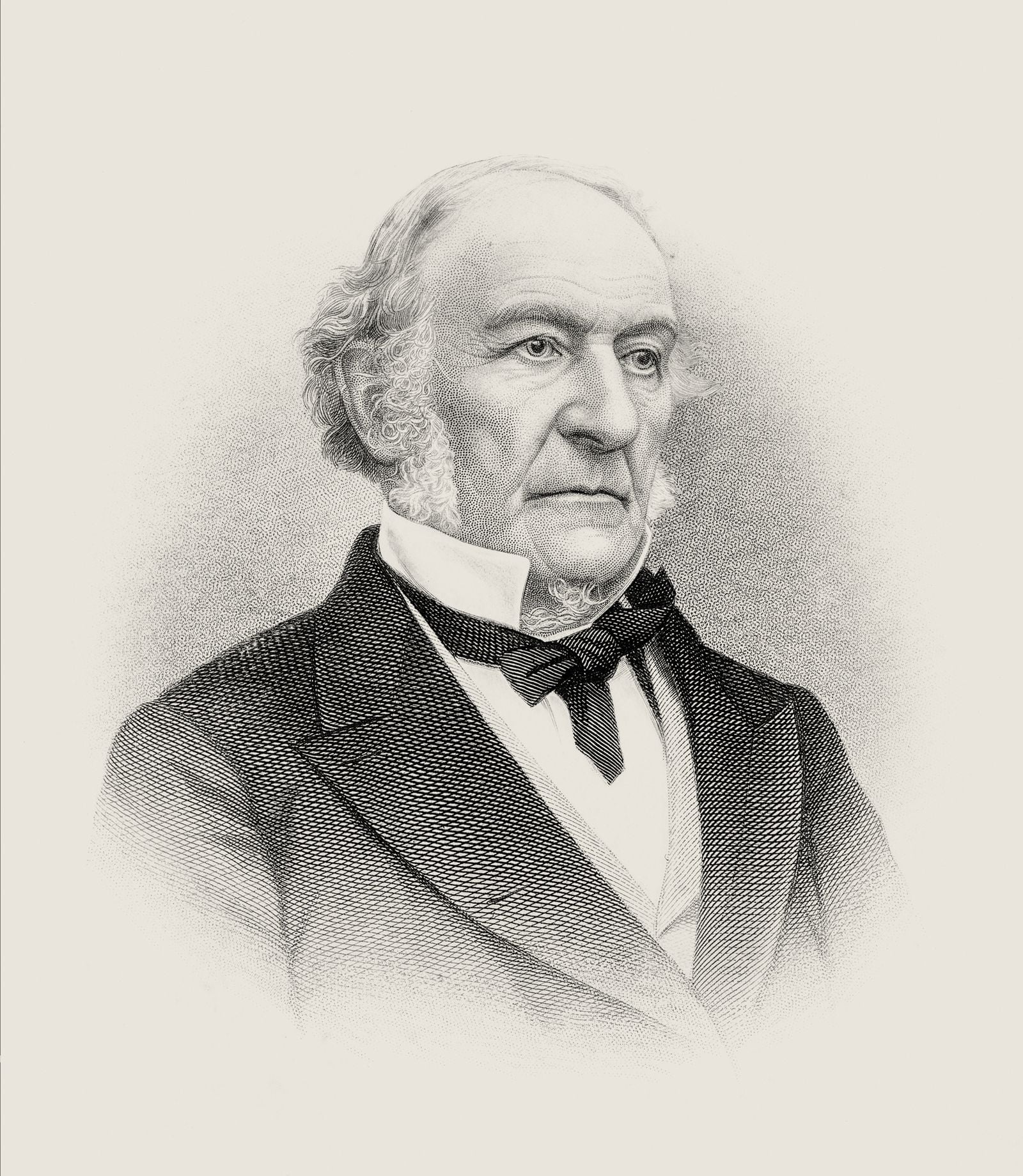
“As the British Constitution is the most subtle organism which has ever proceeded from progressive history, so the American Constitution is the most wonderful work ever struck off at a given time by the brain and purpose of man,” Gladstone said.
William Ewart Gladstone
The framers incorporated the best of ancient Western political philosophy, such as the separation of powers, checks and balances, and republicanism from Rome and Greece into the Constitution.
They studied Roman history, drawing on writers such as Polybius, Cicero, and Livy, and viewed the ancient Roman Republic as a successful model of republican government before it ultimately fell to tyranny.
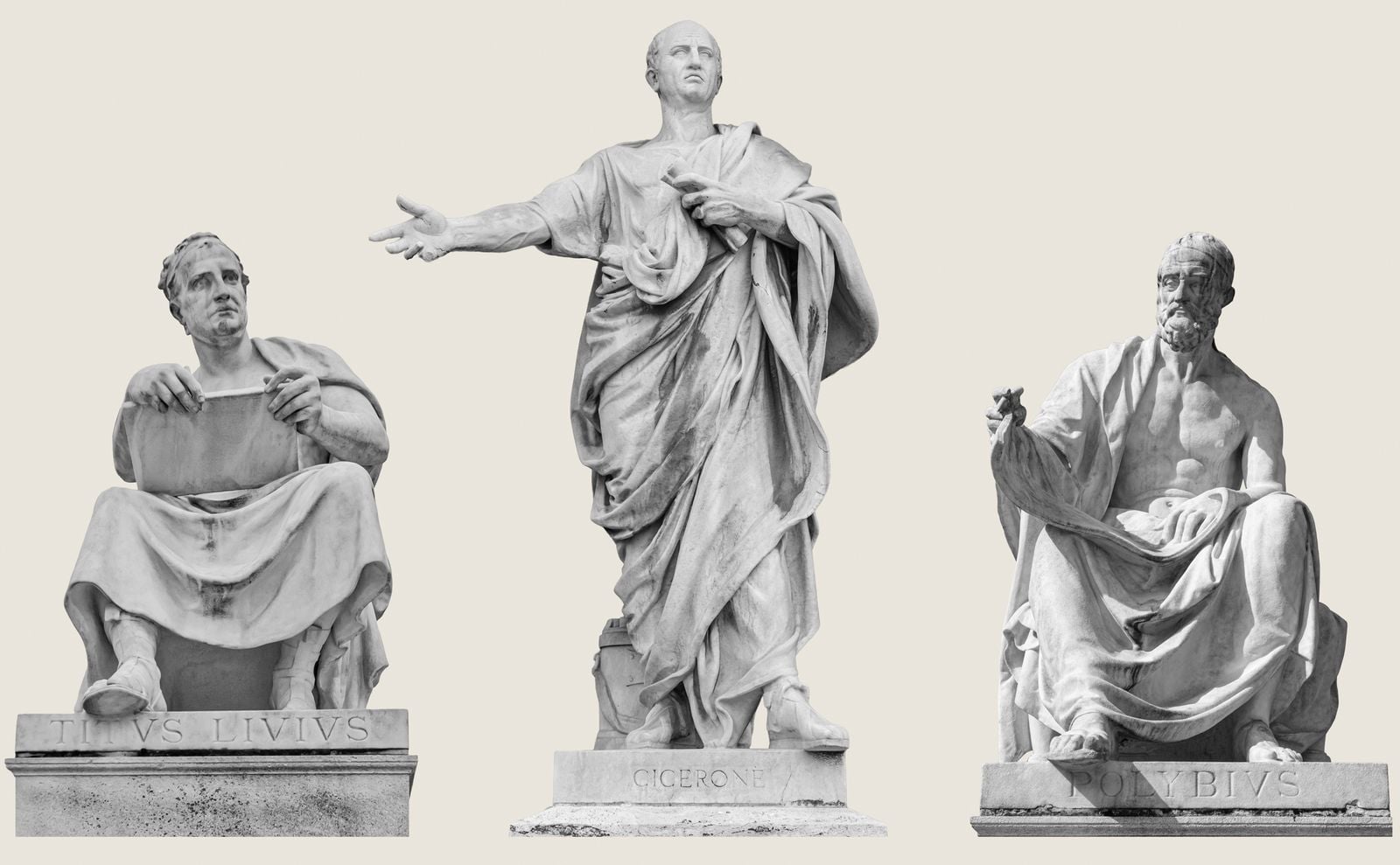
Livy statue.
Cicero statue.
Polybius status.
Von Spakovsky said many of the framers of the Constitution were highly educated and familiar with the history of Rome and Greece. When they wrote the Constitution, they also took into account the successes and failures of these ancient Western civilizations.
“They took the best of those features and then put in provisions to try to fix the problems,” von Spakovsky said.
In the 2025 book “The Golden Thread: A History of the Western Tradition,” historian James Hankins documents Rome’s shift from a monarchy to a republic. In 509 B.C., the Romans decided to replace their single king with two rulers, or consuls. The idea was to curb the monarchy’s power by dividing it between two consuls and limiting their terms to one year.
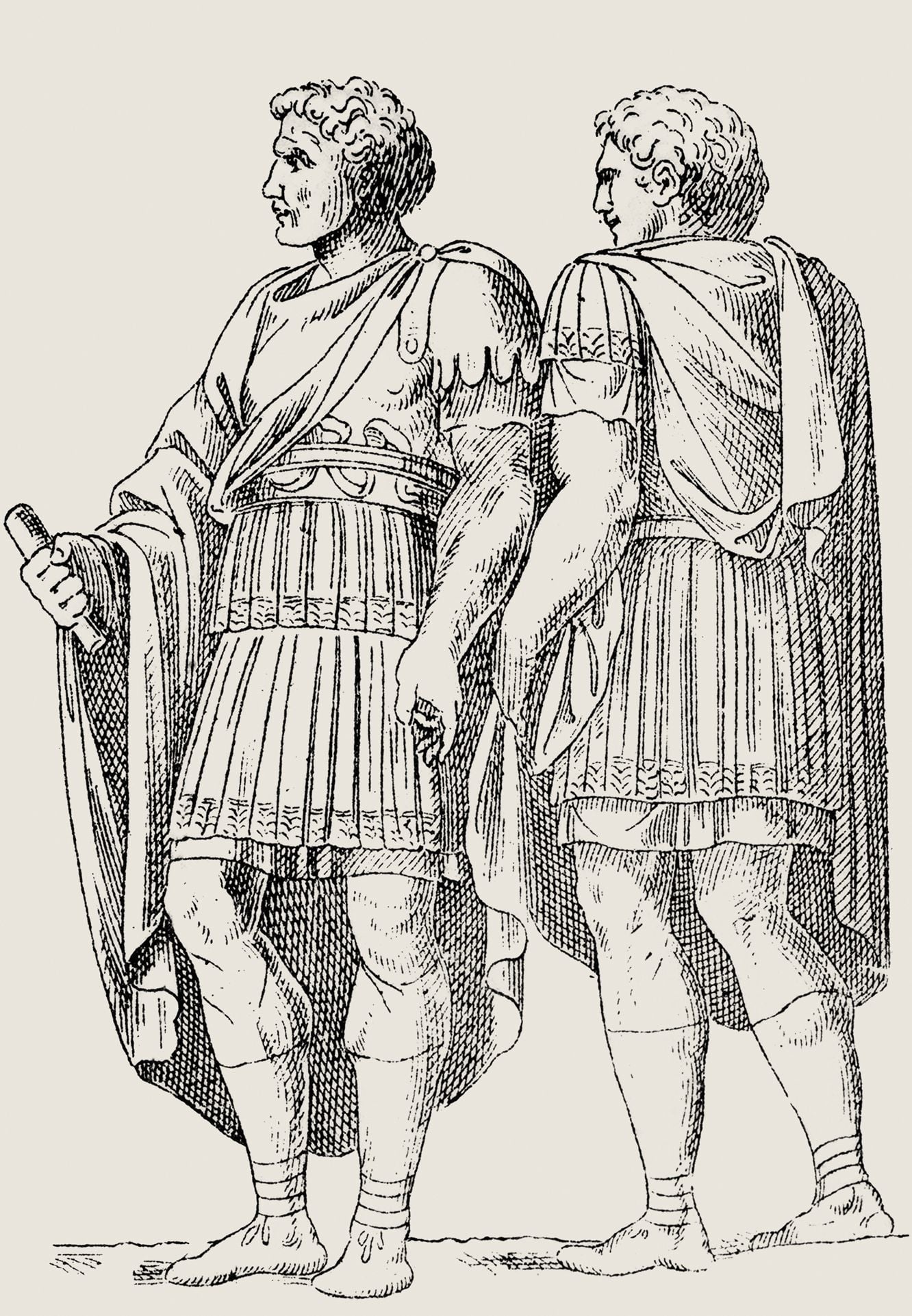
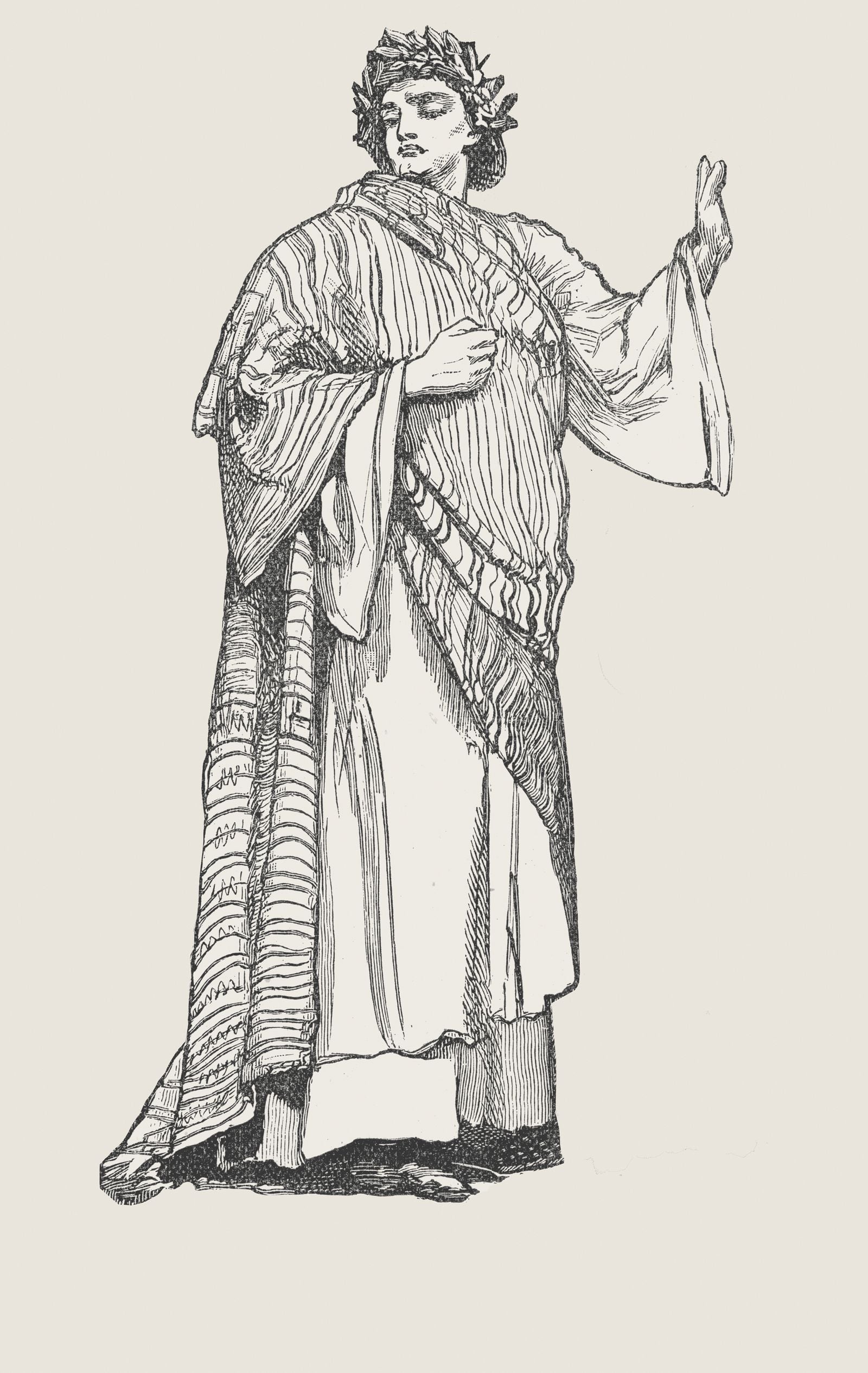
King
Power concentrated in one king
Power divided between two annually elected consuls
Consuls
Liberty to the Romans meant “refusal to place permanent, unrestricted political power in the hands of a single individual,” according to the book.
As the British Constitution is the most subtle organism which has ever proceeded from progressive history, so the American Constitution is the most wonderful work ever struck off at a given time by the brain and purpose of man,
Madison, considered the Father of the Constitution, was familiar with Greek democracies through the writings of Aristotle, Plato, and Plutarch. Like Aristotle, he viewed pure direct democracy, in which citizens voted on laws, as unstable and vulnerable to mob rule.
Gladstone
James Madison
Brenda Hafera, assistant director of The Heritage Foundation’s B. Kenneth Simon Center for American Studies, said that historically, republics were small, which allowed the public to be heard. But small nations were more susceptible to being conquered and to factions that could rip a nation apart.
That’s when Madison stepped in with a solution, she said. Madison argued that a large, diverse republic was the best way to combat the dangers posed by factions, groups that look out for their own self-interest rather than the common good.
These factions would likely cancel each other out, making it less likely that any one group could gain a majority. Instead, they would have to persuade others to support their cause, she noted.
Success by Design
Rob Natelson is a senior fellow in constitutional jurisprudence at the Independence Institute and the Mountain States Policy Center and a contributor to The Epoch Times. His constitutional scholarship has been cited repeatedly by the U.S. Supreme Court. He said the framers saw a republic as a country without a king—a nation that respects the rule of law and believes government is ultimately responsible to its citizenry.
America’s longevity as a republic can be attributed to two principal reasons, Natelson said.
One is the system of checks and balances within the federal government, which “prevents any one branch from becoming intolerable and unrestrained,” he said.
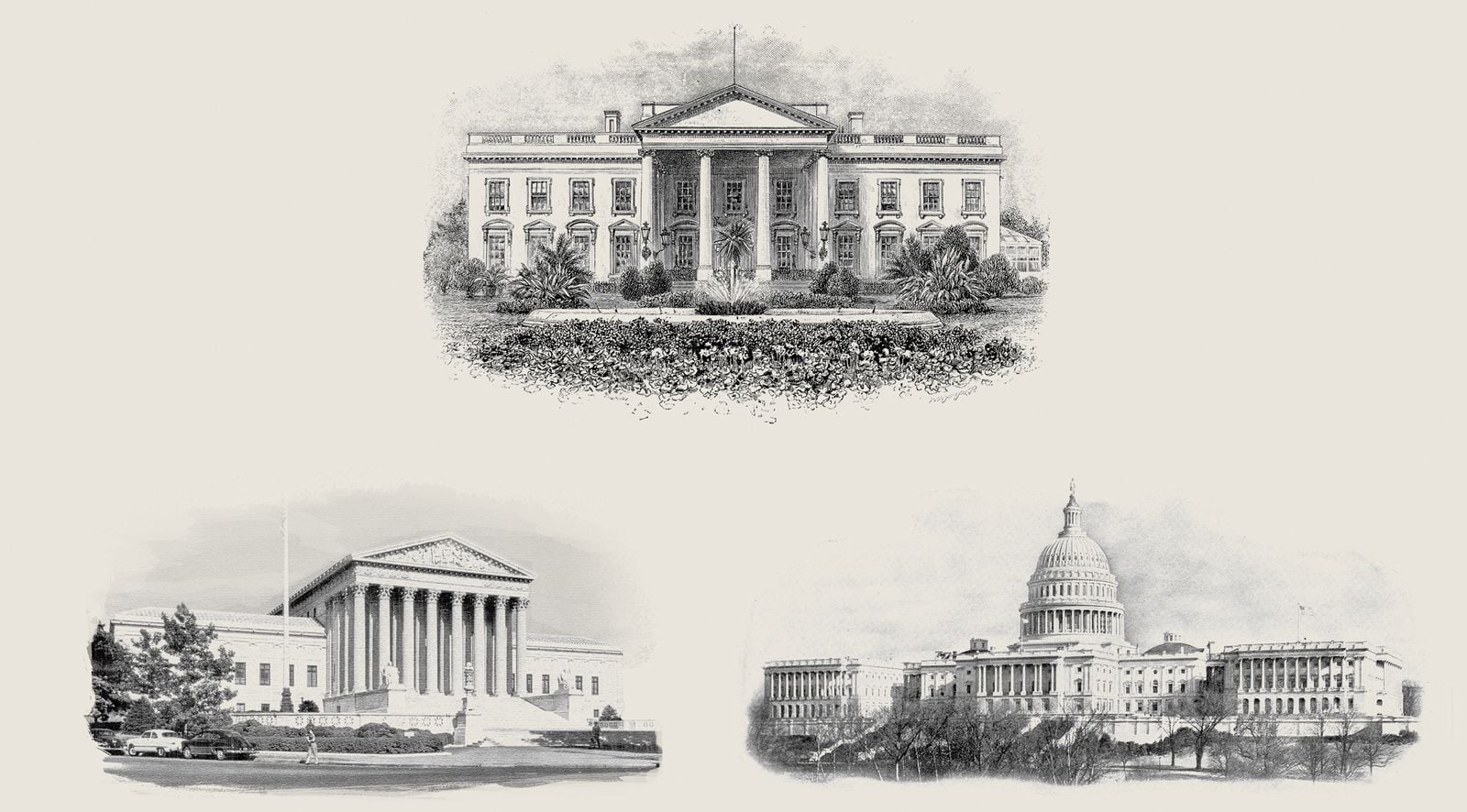
White House
Supreme Court
U.S. Capitol

The other is federalism, in which the governing powers are divided between the national government and the states. Federalism “ensures that Americans can differ with each other, but still be reasonably happy, because if they don’t like one state government, they can move to another,” he said.
“Everything is not controlled from the center.”
Hafer agreed, adding that the steps involved in getting a bill through Congress and the president’s ability to veto it slow down the process, making it more likely that reason will prevail over passion.
Von Spakovsky said that the Constitution’s protection of individual liberty and freedom, as well as its horizontal and vertical checks on federal power, are important.
“That combination was crucial,” he said.
While the three branches of government devised by the framers balance power within the federal government, they also provide a vertical check on federal power by allowing states to retain their own powers.
The powers not delegated to the United States by the Constitution, nor prohibited by it to the States, are reserved to the States respectively, or to the people.
The United States has faced many challenges over the past 250 years, including the Civil War, the Great Depression, and the Civil Rights movement. More recently, the nation faced the COVID-19 pandemic and controversy over the 2020 election.
The nation survived it all thanks to the 238-year-old Constitution.
A notable recent challenge was government-mandated COVID-19 vaccines, Natelson said.
The federal government mandated vaccines for federal workers and certain healthcare professionals, but the mandate was eventually suspended after states and individuals filed lawsuits.
The result was a check on the federal government’s power.
Likewise, the peaceful transfer of power provided by the Constitution, beginning with George Washington, remains unbroken to this day.
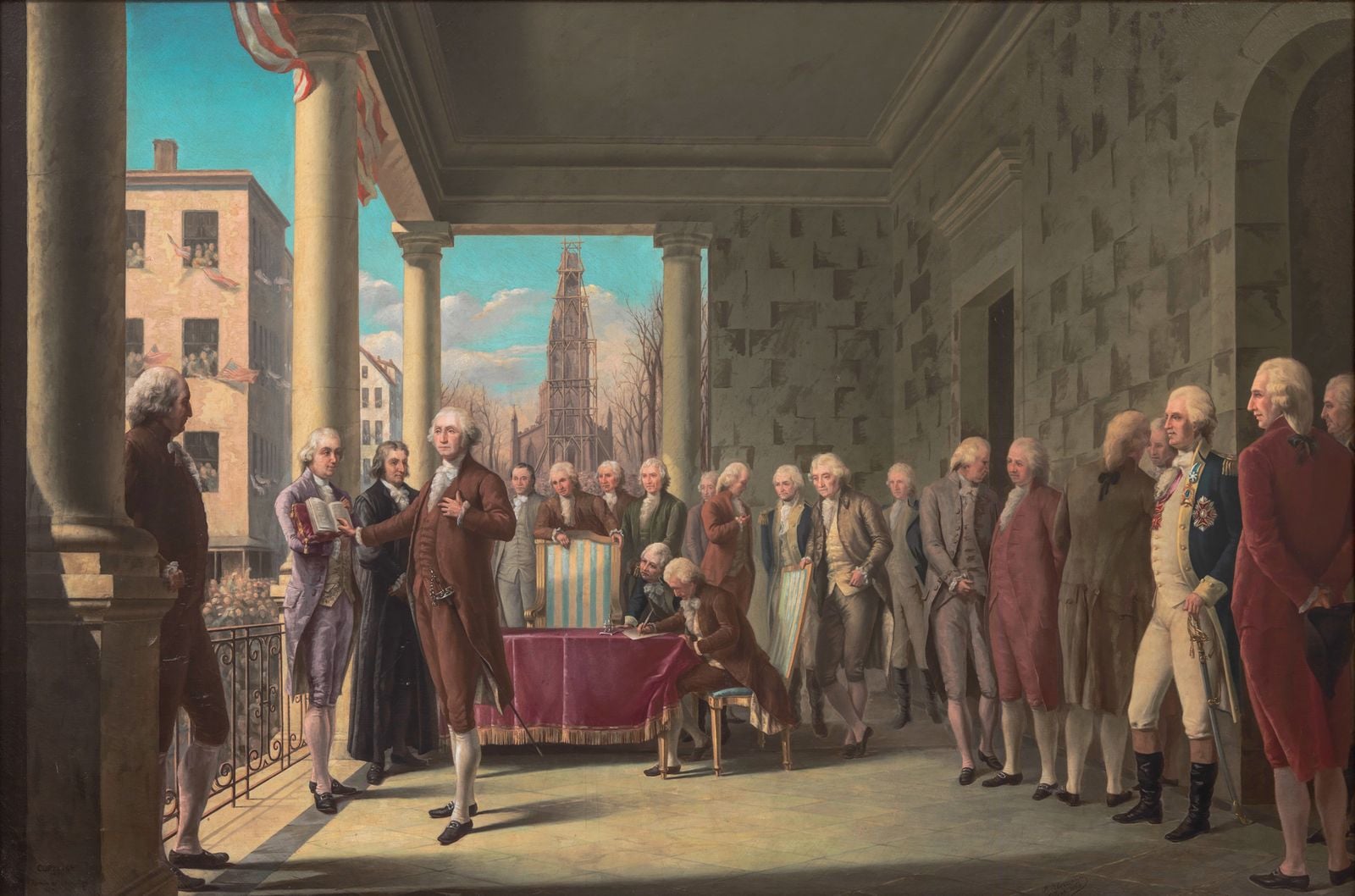
“Inauguration of George Washington,” an 1898 painting by Ramon Elorriaga. The peaceful transfer of power provided by the Constitution, beginning with George Washington, remains unbroken to this day. (Ramon Elorriaga/Public Domain)
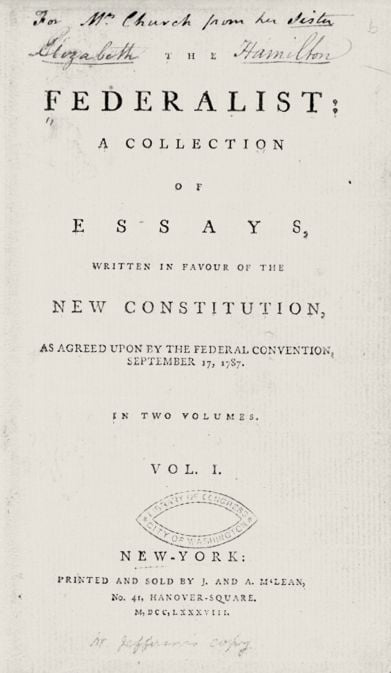
The powers not delegated to the United States by the Constitution, nor prohibited by it to the States, are reserved to the States respectively, or to the people.
During the 2020 election, President Donald Trump used every legal lever possible to challenge the results. When every avenue available under the Constitution was exhausted, Trump peacefully departed the White House, and Joe Biden was sworn in as the next president.

Risks to the Republic
In her 2023 book “Generations,” Jean Twenge writes that four out of 10 Gen Zers say the Founders of the United States are “better described as villains” than as “heroes.”
And then there’s the political divide where one side denies the right of free speech to their ideological opposites, and the growing acceptance of political violence.
In a 2025 YouGov poll, 42 percent of liberals agreed that violence was justified in achieving a political goal, compared with almost 10 percent of conservatives.
Do you think it is ever justified for citizens to resort to violence in order to achieve political goals? (%)
Yes, violence can sometimes be justified
Not sure
Prefer not to say
No, violence is never justified
Very liberalLiberalModerateConservativeVery conservative251465517124689154726928335388
Hafera finds the villainization of the U.S. government system and acceptance of political violence concerning.
“They are undermining democracy. They are normalizing violence. You’re essentially telling people that if the democratic process doesn’t get you what you want, then violence can toss them out. This can lead to bloody civil war,” she said.
The Constitution is the mechanism to protect the ideas laid out in the Declaration of Independence in 1776, she added.
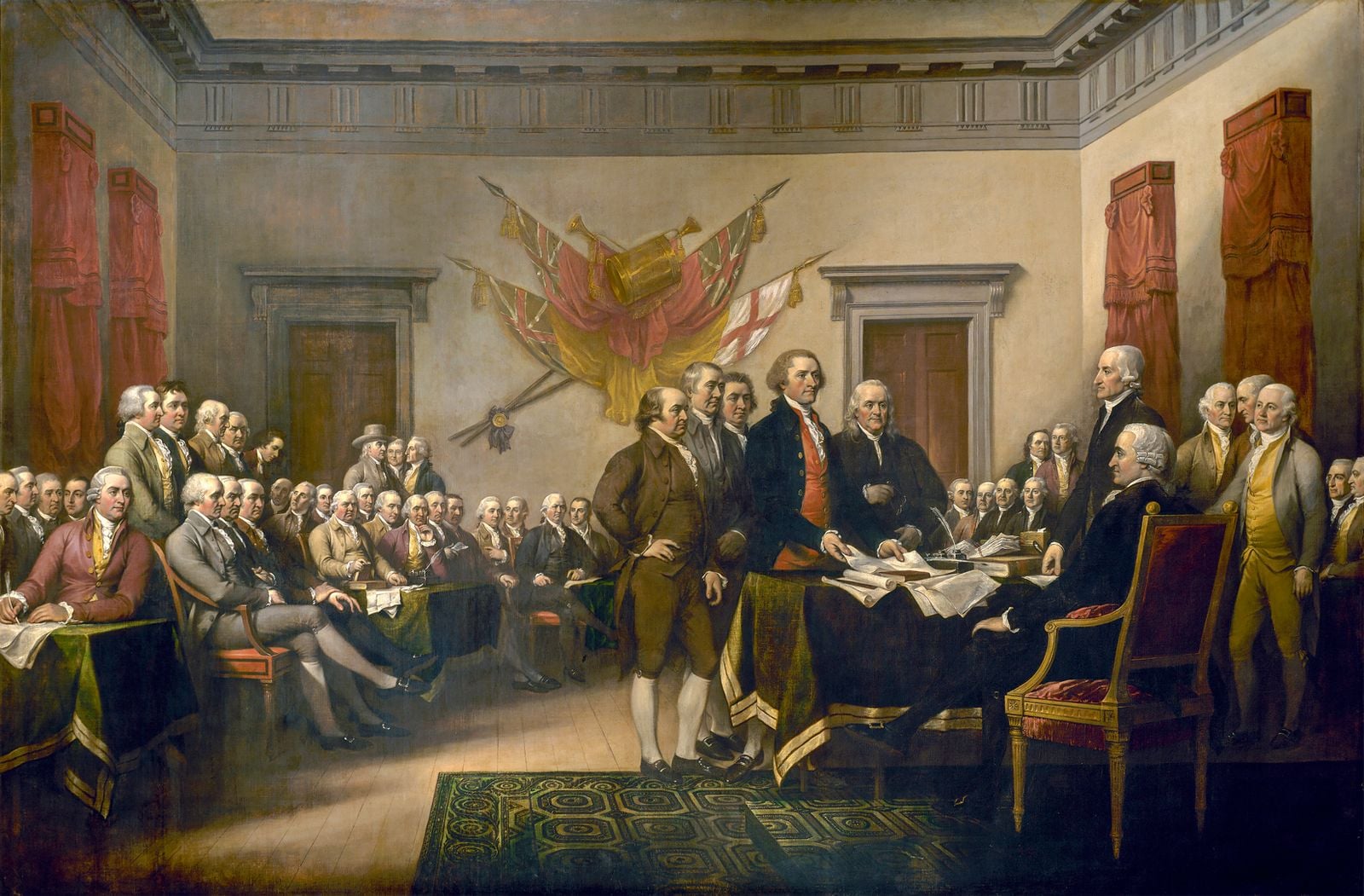
Depicted in John Trumbull’s 1818 painting, the Committee of Five presents its draft of the Declaration of Independence to the Second Continental Congress in Philadelphia on June 28, 1776. The U.S. Constitution protected the ideas laid out in the Declaration of Independence. (John Trumbull/Public Domain)
“One of the secrets of America and the Constitution is that it is grounded in this understanding of human nature and natural law,” she said.
Another concern is how the administrative state, sometimes called the deep state, subverts the framers’ design of government.
The problem is that each federal bureaucracy is focused on its own area of responsibility and doesn’t consider how its actions might affect the common good, she said.
“That’s actually a subversion of how the system is meant to work, with separation of powers in each branch doing its function, and it’s also a subversion of consent of the governed, because these unelected individuals have a great deal of power, and they’re not responsive to the American people,” she said.
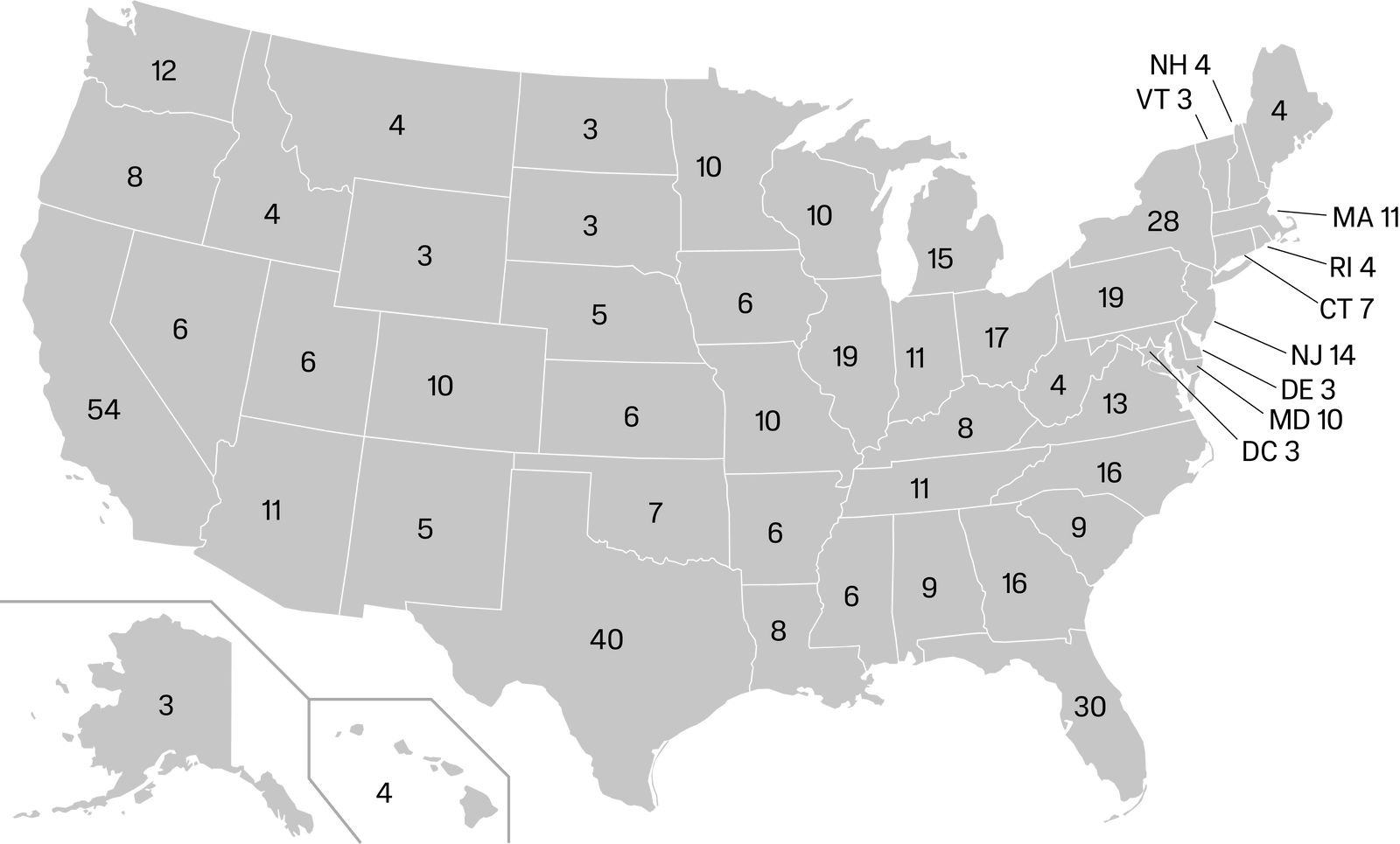
Despite the strength of the Constitution, the framers designed a government that would be slow to change and resistant to mob rule through a system of state electors.
Von Spakovsky added that if the popular vote were used to elect the president instead of the Electoral College, a handful of big cities would control the country.
The framers would be upset that states are trying to bypass the electoral system through the National Popular Vote Interstate Compact, he said. Virginia became the latest state to sign an agreement, bringing the total to 222 electoral votes.
The compact is a proposed agreement among states to automatically award all their electoral votes to whoever wins the popular vote for president, despite how their own citizens might vote. The compact will become active once it reaches the 270 electoral votes, the threshold to win the presidency.
A map shows the number of electoral votes, out of 538, allocated to each state and Washington, D.C., for the 2028 presidential election, based on the 2020 census. Each state, and Washington, D.C., are entitled to at least 3 electoral votes. (Kingofthedead/Public Domain)
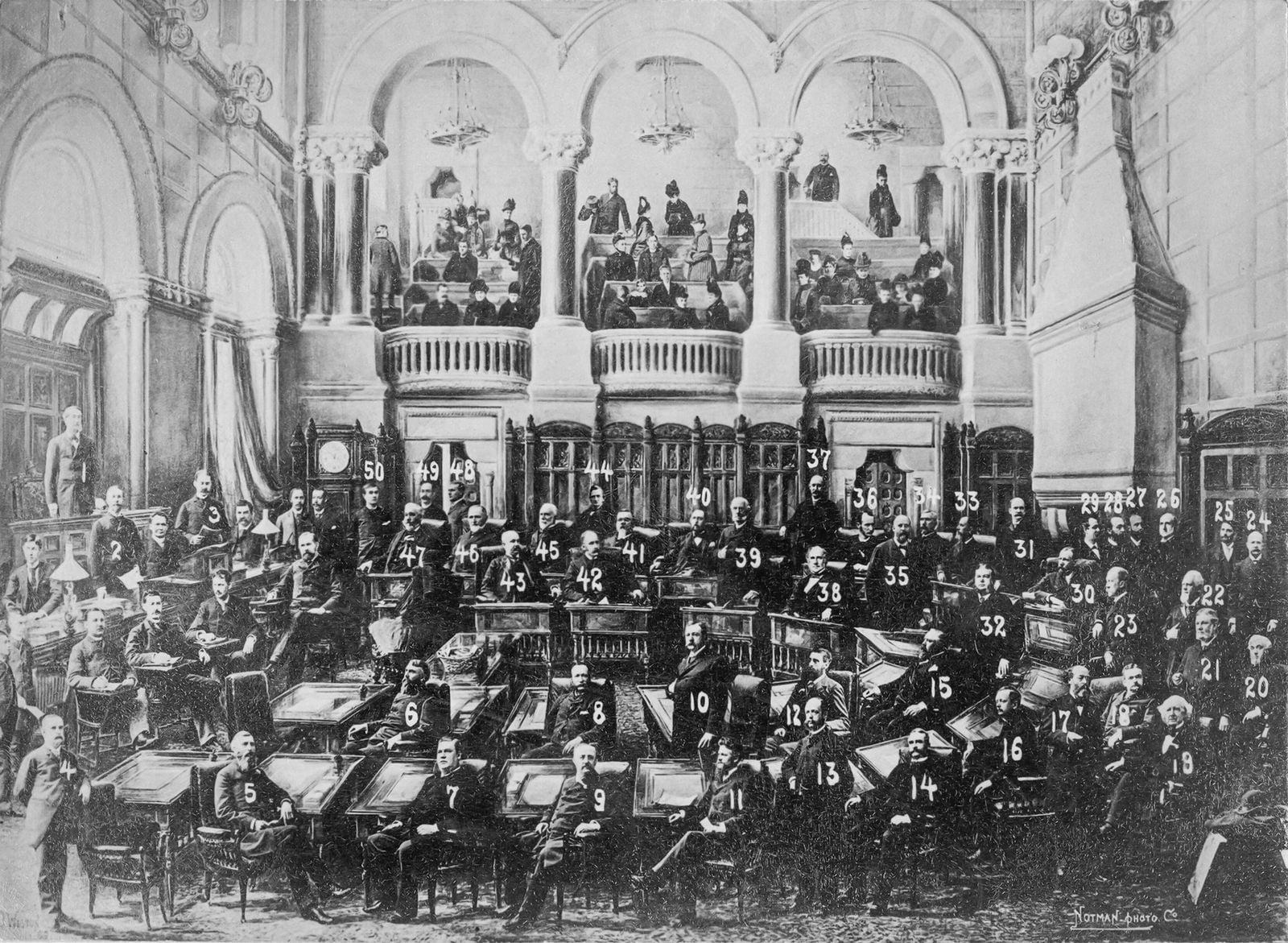
The New York electoral college casts a vote for Benjamin Harrison, in Albany, N.Y., on Jan. 14, 1889. Today, a proposed agreement among states aims to automatically award all their electoral votes to whoever wins the popular vote for president, despite how their own citizens vote. (Digital Public Library of America/Public Domain)
Von Spakovsky argued that the plan is unconstitutional and will likely be struck down—unless the Supreme Court is packed, which would pose another potential threat to the American system of government.
The idea of attempting to change the system for the sake of political gain instead of for the good of the republic wasn’t what the framers would have supported, he argued.
‘Empty Parchment’
“The Constitution, before it was ratified, was an empty parchment,” Hafera said, noting that the Founders always understood that a republic relies on “virtuous citizenry.”
“So there’s this reciprocal relationship between the United States Constitution and the character of the American people,” she said. “The American people are ultimately what gives the Constitution its power.”
The Constitution’s framers also understood that the document’s power stemmed from the people’s loyalty and faith in their chosen form of government, von Spakovsky added.
They understood that the Constitution was “just words on a piece of paper,” until it was ratified by the people, he said. They worried that unless people were loyal to the Constitution and had faith in it, America would fall.
The Soviet Union, for example, has a constitution that promises its citizens rights such as freedom of religion—on paper. But it is worthless because no one has faith that it will be followed, he said.
Gladstone
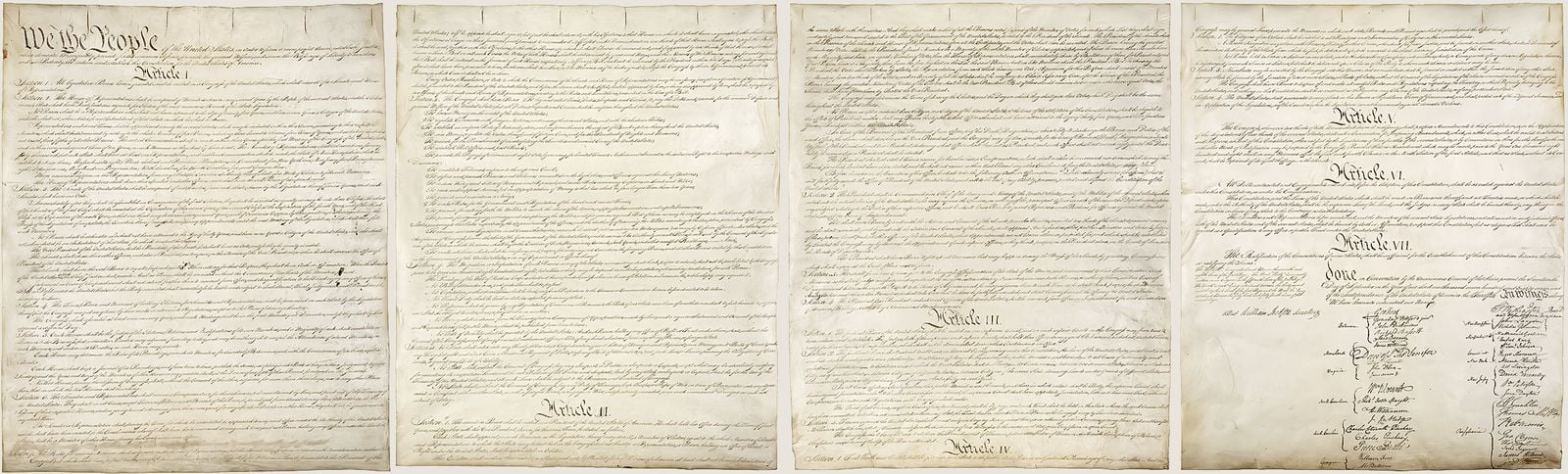
The Constitution of the United States. The framers of the Constitution viewed a republic as a country without a king—a nation that respects the rule of law and believes government is ultimately responsible to its citizenry, Constitutional expert Rob Natelson said. (National Archives and Records Administration/Public Domain)
Those advocating for the destruction of the Constitution are frustrated because it limits government power, he said. Instead, they want the government to have absolute power over its citizens, he added.
Shelf Life of a Nation
The 1976 essay titled “The Fate of Empires and the Search for Survival,” by British military commander and historian Sir John Bagot Glubb, popularized the notion that most nations last about 10 generations, or 250 years.
He argued that the Roman Republic truly functioned as such for 233 years.
Despite that, von Spakovsky believes America could last another 250 years if it remains financially stable.
His concern is government debt, which has led to the failure of other nations. Debt has dire consequences, he said.
“The debt we are building up is so large that if we don’t solve that problem, it could bankrupt the country,” he said. “It’s when things like that happen, you can have authoritarianism rise up.”
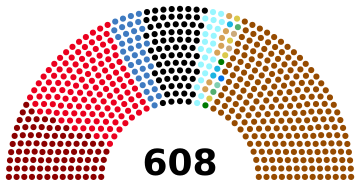
He pointed to Germany’s Weimar Republic, which ended in 1933 when Adolph Hitler came to power. The republic’s fall was preceded by a financial crisis and flaws in its proportional representation system, resulting in a fragmented parliament.

As the British Constitution is the most subtle organism which has ever proceeded from progressive history, so the American Constitution is the most wonderful work ever struck off at a given time by the brain and purpose of man,
Despite concerns, von Spakovsky believes the majority of Americans still have reverence for and loyalty to the Constitution.
Click to rate this post!
[Total: 3 Average: 2.3]