

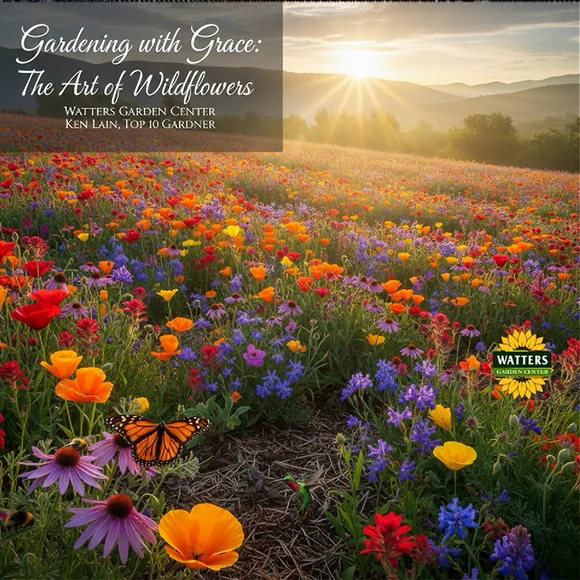
Few additions to the garden deliver a more natural, joyous appearance than a sweeping patch of wildflowers. They are the ultimate low-maintenance beauty, providing a feast for the eyes and a vital sanctuary for the precious birds, bees, and butterflies that visit the backyard. Although true success with wildflowers depends on timing and technique, adhere to these simple tips, tricks, and steps, and you can paint a swathe of brilliant, natural color across your springtime landscape. This truly is the ideal month to start a new wildflower garden here in 2026.
Timing Your Wildflower Garden
A pure wildflower seed, especially many of the popular Poppy varieties, needs the challenging elements of the season to germinate properly. These seeds require the freeze-thaw cycle of late winter and early spring. The cold weather naturally cracks open the rigid, protective hull of a wildflower seed, a process called scarification, so they can better seed themselves into your garden soil. This crucial step is why sowing your wild garden now through March is the ideal planting window. Do not wait for spring warmth; the cold is your friend!
Ensuring a Successful Bloom
Achieving a bright, thick patch of blooms is all about ensuring good seed-to-soil contact. Wildflower seeds can be incredibly tiny and light, often feeling weightless and prone to blowing away. Casually scattering them onto unprepared ground usually results in disappointing outcomes. A little bit of work and patience now, however, is essential for a truly breathtaking show of spring blooms.
ere are the four specific planting techniques that guarantee a breathtaking crop of wildflowers:
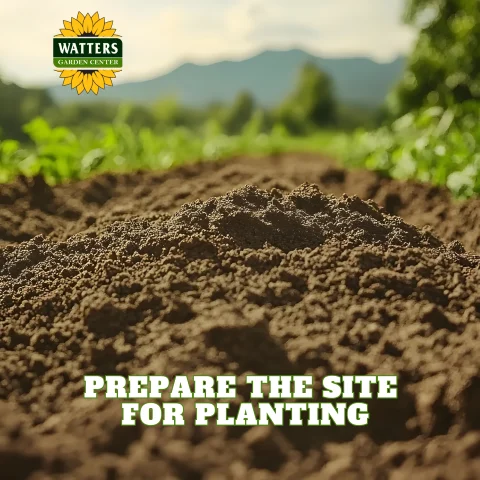


#1 – Select & Prepare the Top Garden Site
Most wildflowers are sun-lovers, so choose a location that receives at least 6+ hours of light daily. This is non-negotiable for a vibrant display. Pull out any existing weeds or unwanted grass. You want your precious seeds competing only with each other, not aggressive weeds. After clearing, rake the seedbed to loosen the top 1-2″ inches of soil. This slight disturbance creates the perfect, welcoming bed for your seeds.
For an extra boost, mix in a slow-release food like my 7-4-4 ‘All Purpose Plant Food’ into the topsoil. This provides the specific nutrients needed during the critical germination and early growth stages, setting your flowers up for success from day one.
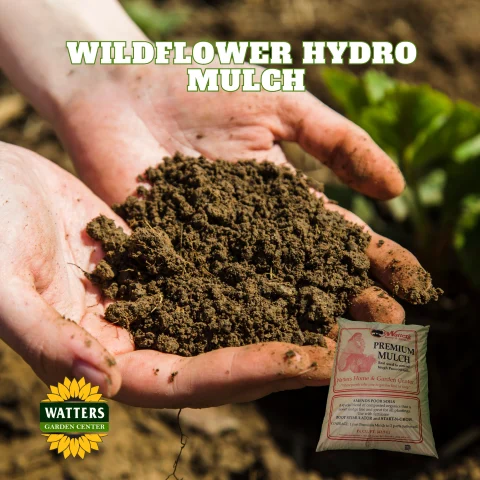
#2 – Create a Wildflower Hydro Mulch
As many gardeners know, seeds in a mix can be so tiny that it’s impossible to see where they land. The simplest trick to avoid this drawback and guarantee success is creating a Wildflower Hydro Mulch.
Buy a bag of Watters Premium Mulch, pour it into a wheelbarrow, and thoroughly mix in your wildflower seed. Spread this seed-mulch blend evenly over your prepared seedbed. This ensures every seed has contact with the soil, insulates your tiny seedlings from temperature swings, and camouflages them from hungry birds. You will know precisely where your color appears in spring!



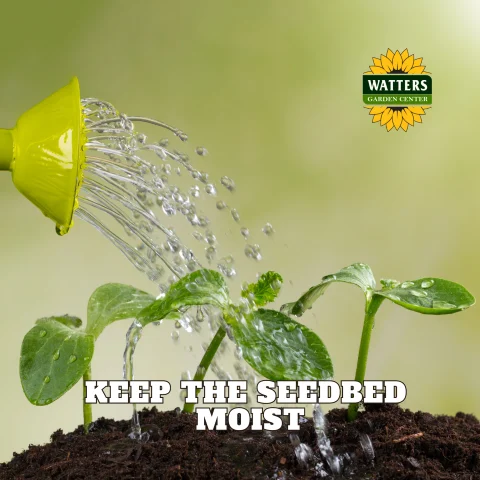
#3 – Keep the Seedbed Moist
If sufficient moisture is present, some of your seeds can germinate as early as the end of February. Your wildflowers require supplemental water if they do not get enough rain or snow to keep the seedbed consistently moist. A heavy, lingering moisture from a good snow over your wild garden is one of the best possible ways to maximize germination and get a spectacular show. Never let the top layer of soil dry out once you have sown the seeds.
#4 – Choose Quality Wildflower Seed
A word of caution: quality is hard to spot when buying wildflower seeds, and many blends are sadly composed of cheap annual seeds and excessive fillers to keep costs down. You want high-quality flowers that not only bloom spectacularly this year but also return year after year for years of enjoyment, spreading their blooming joy throughout the garden.
Here at Watters Garden Center, we specially blend mountain-showy, low-water-perennial blends.
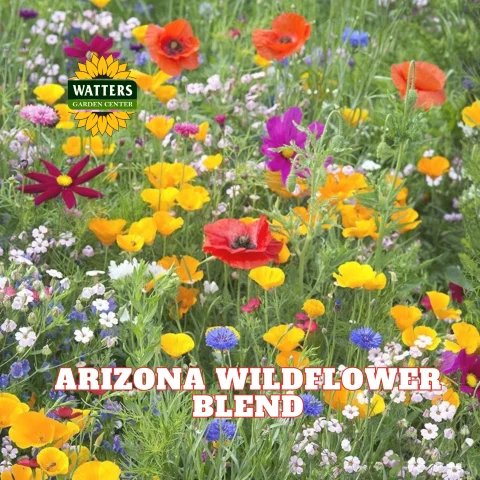
- The Arizona Wildflower Blend is my favorite easy-to-grow mix. It includes Indian paintbrush, California poppy, penstemon, columbine, and Arizona lupine, making it a sure success for our region.
- The Parade of Poppies is the most popular blend of all. It is far more than just the ordinary California poppy, with seven varieties offering a spectacular cornucopia of colors and sizes.
- We even have blends like the Drought Tolerant Mix for a zero-care garden and the Deer Resistant Wildflowers designed for homes near the forest. Our Watters Pollinator Wildflower Mix is essential for drawing bees back into your garden to help pollinate your fruit trees and vegetables.
Ask for my free handout, ‘Growing Better Wildflowers,’ the next time you visit. This step-by-step guide helps grow the perfect springtime wildflower patch.

Free Gardening Classes Every Saturday @ 9:30 am
Mark your calendars! The spring classes and instructors are finalized. Join us for these upcoming topics:


- January 24: The Art of Wildflowers with Birds, Bees & Butterflies
- January 31: Dirt to Dinner – Building Bountiful Soil
- February 7: Sweet Rewards – A Gardener’s Guide to Home Orchards
Until next issue, I’ll be helping local gardeners plant January wildflowers here at Watters Garden Center.
Ken Lain can be found throughout the week at Watters Garden Center, 1815 W. Iron Springs Rd in Prescott, or contacted through his website at WattersGardenCenter.com or Top10Plants.com.