

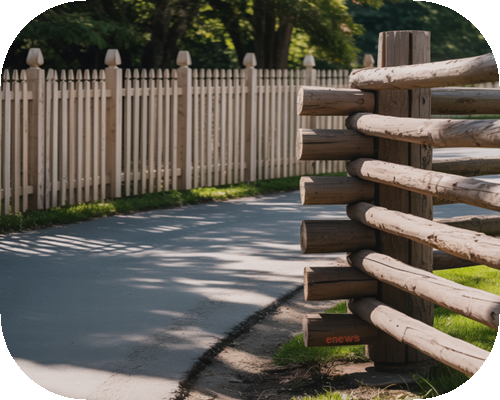
Wooden fences have long been a favorite choice for Washington homeowners, offering a natural look that blends beautifully with the state’s lush surroundings. But with so much rain, changing temperatures, and occasional snow, many homeowners wonder how long their wooden fences will actually last. The lifespan of a wooden fence in Washington’s unique climate depends on several factors, including the type of wood, maintenance routine, installation quality, and the level of exposure to moisture and sunlight. Understanding these aspects can help you get the most out of your investment and avoid early replacements.
In general, a well-built and well-maintained wooden fence in Washington can last anywhere from 15 to 25 years. However, the type of wood you choose plays a major role in how durable your fence will be. Cedar is one of the most popular options because it naturally resists rot, insects, and moisture damage. It can easily last two decades or more with regular care. Pressure-treated pine is another common choice, typically lasting 10 to 20 years depending on maintenance and exposure. On the other hand, untreated wood or low-grade lumber may show signs of decay within the first 8 to 10 years, especially in wetter regions of the state. Choosing the right material at the start can save you from frequent repairs or premature replacement.
Washington’s weather is both a blessing and a challenge for wooden fences. The frequent rain and humidity promote moss growth and moisture absorption, which can lead to warping, cracking, or rotting over time. During winter, when temperatures drop and moisture freezes, the expansion and contraction cycles can further stress the wood. Meanwhile, in drier months, direct sunlight can cause fading and surface dryness, making the boards more prone to splitting. Because of these seasonal changes, routine maintenance becomes essential. Cleaning your fence at least once a year, sealing or staining it every two to three years, and checking for any weak or loose boards can make a big difference in its longevity. Homeowners who invest in these simple upkeep practices often find their fences staying strong and beautiful far longer than expected.
The quality of installation is another critical factor that directly affects how long your fence will last. Even the best wood can fail quickly if the posts are not set deep enough or drainage around them is poor. Moisture that collects at the base of the posts can lead to early rot, especially if the wood is in constant contact with damp soil. That’s why working with a local fencing specialist familiar with Washington’s weather and soil conditions is often worth it. They can ensure proper post depth, solid foundation, and correct spacing—all of which help your fence stand strong through heavy rain and wind. In many cases, homeowners who choose to work with professional installers notice not only better durability but also a cleaner, more consistent appearance that adds value to their property.
Maintenance, however, remains the key to preserving the lifespan of your fence. Regular inspections should be part of your routine, especially after storms or long wet periods. Watch for signs like discoloration, mold, loose boards, or sagging sections—these are early warnings that some parts may need repair. A simple resealing or touch-up stain can prevent much bigger issues down the road. Trimming vegetation near your fence also helps prevent mold and decay, as plants tend to trap moisture against the wood. A small effort every season can prevent expensive repairs later.


When it comes to comparing different regions of Washington, coastal areas tend to experience faster wear on wooden fences due to higher humidity and salt exposure in the air. Inland areas, though somewhat drier, still face seasonal rain and temperature swings that challenge wood stability. Choosing treated wood, quality hardware, and applying protective coatings are smart decisions no matter where you live in the state. These protective steps don’t just extend the lifespan—they also maintain your fence’s curb appeal, keeping it looking fresh and sturdy year after year.
Homeowners replacing older fences often use this opportunity to upgrade to more durable materials or improved designs. Modern wooden fences can be built with better sealants, corrosion-resistant nails, and drainage-conscious layouts. If you’re planning an upgrade, consider consulting experienced fence professionals who can help you select the best materials for long-term performance. They can guide you on wood types, treatments, and finishes that suit your property’s exposure level, ensuring your new fence lasts for decades instead of years.
In the end, the average wooden fence in Washington can last 15 to 25 years, but that number can be much higher if you choose quality materials, hire skilled installers, and keep up with regular maintenance. Washington’s damp climate may pose challenges, but with a little effort and professional guidance, your fence can remain a strong, beautiful boundary for many years. Investing in good craftsmanship and care doesn’t just extend the life of your fence—it enhances your home’s overall appeal and protects your outdoor space from the elements.