


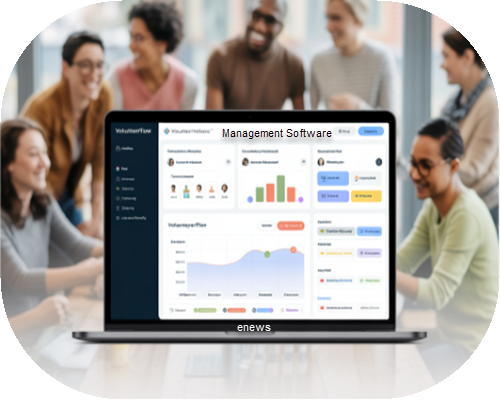
Running a successful volunteer program is as rewarding as it is challenging. The logistics involved can quickly become complex, requiring coordinators to juggle multiple responsibilities simultaneously, such as recruiting new volunteers, coordinating diverse schedules, ensuring timely and effective communication, and tracking both individual and collective engagement. With limited resources and growing community needs, even experienced program managers can find it difficult to keep up.
The right digital tools do more than just save administrators time; they also elevate the volunteer experience by making it easier for individuals to connect with opportunities that align with their interests, remain consistently informed about upcoming events, and feel genuinely appreciated and recognized for their contributions. Organizations that adopt volunteer management software not only enhance their operational efficiency but also foster a culture where volunteers feel empowered, engaged, and motivated to make a meaningful impact in their communities. Ultimately, this technology enables both managers and volunteers to focus less on administrative tasks and more on creating positive change.
Efficient Volunteer Recruitment and Onboarding
The recruitment process is the vital first step in building a thriving volunteer program. With management software, organizations can design custom application forms that gather specific and detailed information relevant to their unique needs, whether it’s special skills, personal interests, certifications, or availability. This level of customization ensures that every applicant is properly assessed for the best fit. Automated workflows streamline follow-up by delivering timely orientation materials, required documentation, and training resources directly to new volunteers. This process not only reduces the administrative burden but also ensures that no applicant falls through the cracks and each new volunteer receives a consistent, professional introduction to the organization. In fact, resources such as Forbes emphasize the importance of combining strategic recruitment methods with streamlined onboarding systems to keep volunteers engaged from the outset.
Automated onboarding tools also significantly shorten the time between sign-up and active participation. New volunteers can access on-demand training portals, upload required documents at their convenience, and receive automated reminders about next steps, empowering them to move through the onboarding process more efficiently. This level of organization and accessibility sets the stage for a productive and positive volunteer journey right from the very beginning, helping volunteers quickly transition into meaningful roles within the organization.






Centralized Volunteer Database Management
Juggling spreadsheets, email threads, and disparate paper lists is both error-prone and inefficient, particularly as programs scale or incorporate multiple projects. Modern volunteer management solutions provide a centralized database that consolidates all volunteer information into a single, secure platform, offering organizations a clear and comprehensive view of their entire volunteer pool at any given moment. All relevant volunteer data—such as contact details, previous experience, unique skills, ongoing commitments, and mandatory certifications—is accessible and easy to update in one place.
This approach not only streamlines communication efforts but also supports a better match between volunteers and new projects or initiatives that are a perfect fit for their schedules and abilities. Having an up-to-date, centralized database is especially invaluable for coordinating large-scale community events or urgent emergency response efforts where rapid mobilization and precise communication are essential.
Streamlined Scheduling and Communication
One of the most common challenges in volunteer coordination is scheduling. Manual processes often create confusion, lead to double-bookings, or contribute to high rates of absenteeism if shifts are not well communicated. With intuitive scheduling tools, volunteer coordinators can easily publish available opportunities and open shifts, allow volunteers to independently sign up or swap with others, and send automated reminders—not only reducing no-shows but also increasing transparency and autonomy.






Many management platforms include built-in communication tools, such as messaging systems or announcement boards, which make it simple to send targeted updates, personalized invitations, and urgent requests to specific groups of volunteers. This feature ensures that everyone stays informed in real-time, eliminating the need for endless group emails or switching between disparate communication apps. Timely, clear communication fosters trust and encourages deeper engagement from volunteers.
Enhanced Volunteer Engagement and Retention
Keeping volunteers inspired and intrinsically motivated over the long term is essential to maintaining a stable and effective program. Management software facilitates this process by enabling organizations to implement personalized communication strategies, recognize individual achievements, and closely track key engagement indicators, such as hours served, special milestones, or participation frequency.
Many modern volunteer platforms offer built-in recognition modules or reward systems that allow program managers to highlight top contributors, award digital badges, or issue certificates—helping volunteers feel seen, valued, and part of a supportive community. Regular feedback requests and satisfaction surveys provide timely insights on volunteer sentiment, enabling organizations to quickly spot and address issues or offer additional support where needed. These engagement strategies are proven to boost retention rates and foster loyalty among volunteers.
Data-Driven Decision Making
Measuring success and identifying opportunities for improvement are crucial for the long-term sustainability and growth of volunteer programs. Management software offers advanced analytics and reporting features that automatically capture key data, including participation rates, volunteer hours, event attendance, and overall satisfaction metrics. This real-time access to accurate data enables program leaders to make informed decisions about recruitment strategies, resource allocation, and the types of training materials best suited for their teams.
Combined with regular qualitative feedback and outcome measurement, these analytics offer a comprehensive view of program effectiveness that can be shared with donors, board members, and community stakeholders. Transparent data reporting also helps nonprofits demonstrate their impact, justifying continued investment and support.
Integration with Other Systems


Volunteer management does not exist in a vacuum—successful organizations recognize that their volunteer data must be connected to other vital functions, such as donor management, fundraising, marketing, and even social media platforms. Most leading software solutions are designed for easy integration, ensuring seamless data transfer and unified reporting between departments or teams. This interconnected digital ecosystem not only simplifies administrative processes but also enhances collaboration, enabling organizations to respond more quickly to changing needs and provide a unified experience for volunteers and supporters. By connecting volunteer data with fundraising platforms or marketing tools, nonprofits can more effectively leverage their networks and tailor outreach efforts, driving increased engagement and support.
Conclusion
Volunteer organizations that embrace volunteer management software unlock a host of advantages — from efficient recruitment and centralized database management to streamlined scheduling, enhanced engagement, automatic communications, and powerful analytics. By automating time-consuming administrative tasks and facilitating deeper volunteer engagement, these tools free up staff to focus on building meaningful relationships and delivering high-impact programs. The digital transformation enabled by the right technology allows organizations to adapt to new challenges, mobilize resources quickly, and foster a culture of recognition and ongoing support. Investing in innovative solutions today will set the foundation for a more efficient, sustainable, and impactful volunteer program tomorrow—and ensure that volunteers can continue making a difference where it’s needed most.