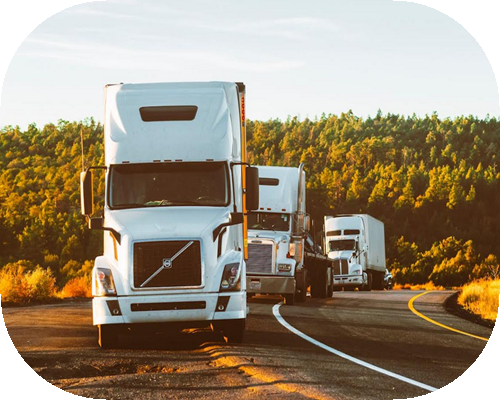
Moving massive machinery isn’t something you can figure out with a pickup truck and some rope. Industrial equipment weighs tens of thousands of pounds, requires specialized handling techniques, and must navigate roads that weren’t designed for oversized loads.
Most people underestimate the complexity involved in transporting excavators, bulldozers, or manufacturing equipment safely. Route planning, permit requirements, and safety protocols all require expertise that takes years to develop properly.
That’s exactly why hiring a professional heavy equipment moving company becomes essential for any serious machinery relocation. These specialists have the tools, training, and regulatory knowledge needed to move valuable equipment without damage or legal problems. Attempting DIY moves with expensive machinery almost always ends in disaster.
Pre-Move Planning
Route surveys are absolutely critical because bridges, overpasses, and road restrictions can stop a move dead in its tracks. Professional movers scout every mile of the planned route, measuring clearances, checking weight limits, and identifying potential obstacles before the equipment ever leaves its current location. This advance work prevents expensive delays and route changes during transport.
Permit requirements vary dramatically by state and locality, with some moves requiring approval from multiple jurisdictions along the planned route. Experienced movers understand these regulatory requirements and handle permit applications weeks in advance. Missing permits can result in fines, delays, and even equipment impoundment by law enforcement.






Coordination with utilities becomes necessary when equipment height exceeds normal road clearances, requiring temporary removal or lifting of power lines. Professional movers work with utility companies to schedule these modifications, ensuring safe passage while minimizing disruption to other customers. This coordination requires relationships and expertise that individual equipment owners simply don’t have.
Specialized Equipment
Heavy-duty trailers designed for oversized loads can handle weights that would destroy standard equipment in seconds. Lowboy trailers, multi-axle configurations, and hydraulic steering systems distribute weight properly while maintaining stability during transport. The wrong trailer choice can result in equipment damage, road damage, or catastrophic failures.
Cranes and lifting equipment are essential for loading and unloading machinery that can’t drive onto trailers independently. Professional movers own or have access to mobile cranes with sufficient capacity for the heaviest equipment, plus backup options when primary equipment isn’t available.
Crane selection requires expertise in load calculations and site conditions.
Dollies and hydraulic systems help position equipment precisely during loading and unloading operations. These tools allow operators to make fine adjustments without risking damage to expensive machinery or surrounding structures. Professional equipment makes moves safer and more efficient than improvised solutions that create unnecessary risks.
Safety Protocols
Escort vehicles are required by law for most oversized loads, providing advance warning to other drivers and helping clear traffic when necessary. Professional movers provide trained escort drivers who understand positioning requirements, communication protocols, and emergency procedures. These escorts aren’t just following along, they’re actively managing traffic safety.






Trained crews understand proper rigging techniques, load securement requirements, and emergency response procedures that keep everyone safe. Moving heavy equipment involves significant risks that require constant attention to safety details. Inexperienced crews make mistakes that can injure people or damage equipment worth hundreds of thousands of dollars.
Communication systems keep all team members coordinated during complex moves that might involve multiple vehicles, escorts, and ground crews. Professional movers use radio systems that ensure clear communication between drivers, spotters, and coordination personnel. This communication becomes critical when navigating tight spaces or dealing with unexpected obstacles.
Conclusion
Heavy equipment moves are complex logistical operations that require specialized expertise, equipment, and regulatory knowledge that most equipment owners don’t possess. The risks involved with DIY moves are simply too high when you’re dealing with valuable machinery and public safety concerns.
Professional movers bring years of experience, specialized equipment, and established relationships that make complex moves routine rather than stressful emergencies. They understand regulations, have proper insurance coverage, and know how to handle unexpected problems without creating bigger disasters.
Successful equipment relocation is about much more than just transportation, it’s about managing risks, meeting deadlines, and protecting valuable assets throughout the entire process. Only experienced heavy equipment moving professionals have the resources and expertise needed to ensure safe, efficient delivery of oversized loads.