




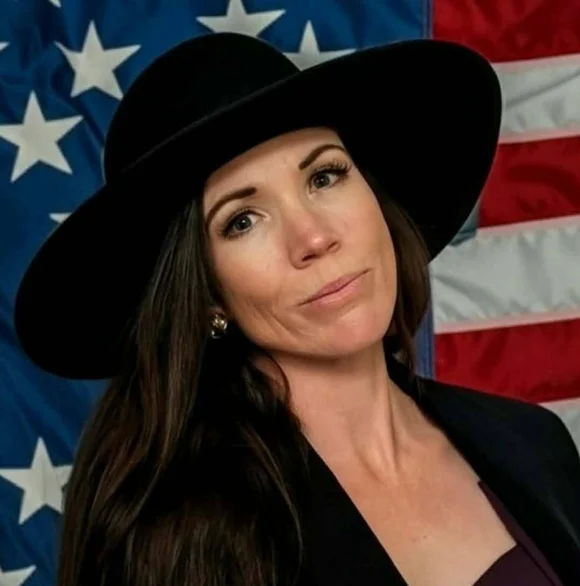
With voting underway for the November 3, 2026 general election, Kendall Melline is requesting an on-the-record response from the Yavapai County Board of Supervisors concerning Proposition 497 and the long-term implications of its proposed sales-tax increase.
Proposition 497 would increase the existing Jail District sales tax from 0.25% to 0.50%, effective July 1, 2027, for a period of 20 years.
County officials have argued that the additional revenue would reduce reliance on the General Fund for jail operations, potentially allowing property-tax relief.
However, the official ballot language does not establish a mandatory property-tax reduction.
This raises an important issue of long-term taxpayer protection.
Yavapai County supervisors serve four-year terms. The current regular terms run through 2028, with the next regular supervisor elections scheduled for that year. Prop 497, if approved, would remain in effect long after those terms expire.
Future boards may have different budget priorities, regardless of political affiliation.
The central question is whether today’s promises create any enforceable obligation for tomorrow’s elected officials.
Three Questions Requiring Public Answers
- Where is the legally enforceable tax reduction?
Does Proposition 497 contain any provision requiring the Board of Supervisors to reduce the county property tax levy if the measure passes?
If no such requirement exists, what specific resolution, ordinance, or other legally binding mechanism would guarantee the advertised property-tax relief?
- What prevents a future Board of Supervisors from reversing that relief?
Assume Proposition 497 passes and the current supervisors follow through on their stated intention to reduce property taxes.
Following the 2028 election could a newly elected board increase the property tax, subject to applicable statutory limits, while the additional Jail District sales tax remains in effect?
If the answer is yes, what protection would prevent taxpayers from ultimately bearing both the additional sales tax and a higher property tax burden?
- Why should voters approve a 20-year tax increase based on commitments that may not bind future elected officials?
What enforceable safeguards would ensure that the promised tax relief continues beyond the current board’s term?
If none exist, will the board publicly acknowledge that Prop 497 guarantees the additional sales tax rate for its stated duration but does not guarantee corresponding property tax relief?
Public Accountability Before Election Day
These questions do not dispute the importance of law enforcement, public safety, or adequately funded detention facilities.
They concern the difference between a legally authorized tax increase and a political commitment concerning future property taxes.
The county estimates annual jail district revenue needs of approximately $41.44 million and identifies substantial existing general fund contributions. Those funding pressures deserve major consideration.
So does the duration of the proposed tax.
A 20-year tax commitment will outlast multiple Boards of Supervisors. Voters deserve to know whether the accompanying promises will survive those transitions.
Melline requests that the Board of Supervisors provide written, on-the-record responses to all three questions, including citations to any applicable statutory authority, adopted resolutions, or legally binding provisions.
The request is being distributed to Yavapai County media outlets to encourage public examination of the issue before November 3.
Requested response deadline: October 26, 2026, at 5:00 p.m. Arizona time.
Responses received by that deadline may be shared in full with participating media outlets. Responses received afterward may be included in subsequent coverage.
Official source:
Yavapai County — Full Text of Proposition 497




Kendall Melline | Dewey-Humboldt, AZ
Recent Articles
November Voter Publicity Pamphlet has Error in it
CAFMA and Prescott Fire Department Invite Community to Help Shape Wildfire Protection Plan
City of Prescott Invites Community Members to Learn More About Long-Term Water Management Plan
October Gardening Classes Every Saturday at Watters Garden Center