


Children living in foster care often spend the school day in the one setting that stays the same while much else changes. Placements move, social workers change, contact arrangements come and go, and the classroom carries more weight than it does for other pupils. Schools know this, and structure sits behind the scenes to stop education becoming the thing that slips when home life is unsettled.
That structure varies by country and even by council, though the main pieces are similar. Somebody in the school is made responsible for the child, extra funding follows them, and a written plan sets out what support looks like in class. How well it works depends on whether the adults involved talk to each other often enough.
The named adult behind the paperwork
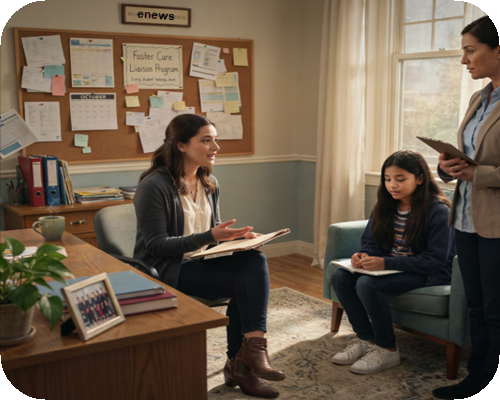
Schools in England are required to have a designated teacher for children in care, and much of that job is making sure other staff understand a child’s situation rather than teaching them directly. They keep the personal education plan current, recording targets, support and how the funding attached to the pupil is spent. Plans are reviewed each term with the carer and social worker, and the useful ones note what never appears in attainment data, like which lessons a child dreads or who they go to when something goes wrong.
How the UK compares with other systems
Countries organise this in very different ways. In the UK, a real share of the work sits with carers, since the training completed by people who become a foster carer covers education alongside attachment and safeguarding, and carers are expected to attend meetings, chase support and push back when a child isn’t getting it. Federal law in the US instead requires districts to name a point of contact for pupils in foster care, with the emphasis on keeping a child in the same school after a move. Nordic systems lean more heavily on social workers attached to local services.
Staying in the classroom at all
Exclusion and reduced timetables remain one of the sharpest risks here. Figures from Scotland show looked-after pupils excluded at several times the rate of peers, and advocacy workers have warned that part-time timetables offering minimal weekly hours are sometimes used in place of formal exclusion. Schools reach for them with reasonable intentions, but a child in school a few hours a week loses the routine, the friendships and the adults who notice when something is wrong.





Placement stability matters here too, which is why teachers watch carer shortages closely. Plans to recruit thousands more foster carers reflect how thin supply has become, and a shortage often means children placed further from the school they attend. Staff see that as long journeys, late arrivals and mid-year transfers, each costing months of progress nobody records as a school problem.
The parts that pupils actually remember
Ask care-experienced young people what helped and the answers are modest. One teacher who remembered their circumstances without announcing them, a quiet room at breaktime, being asked about the weekend without assumptions about home. Schools doing this well rely on low-key habits rather than named programmes, like checking whether an activity assumes every child can produce a baby photo. Those habits cost almost nothing, and they’re what former pupils describe years later when asked who got them through school.