


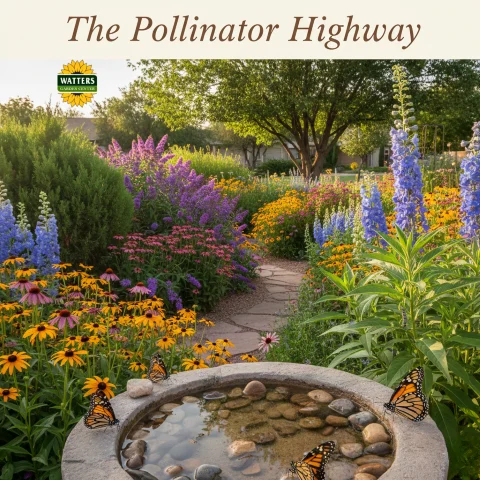
When you look out over your garden, you aren’t just looking at a collection of plants; you are looking at a vital rest stop on a very long, arduous journey. We live in a rugged landscape here, and for a fragile butterfly, finding a safe place to eat and rest can be the difference between a thriving population and a silent spring. Creating a “Pollinator Highway” through your own backyard is one of the most rewarding projects you can undertake. It’s about more than just pretty wings; it’s about stitching the ecosystem back together, one yard at a time.
The Foundation of a Corridor
A butterfly corridor is a series of interconnected gardens that provide the two things every butterfly needs: high-energy nectar for the adults and specific host plants for their caterpillars. If you only offer flowers, you’re just a fast-food joint. If you provide the host plants, you’re a nursery. To truly help, we need to be both.
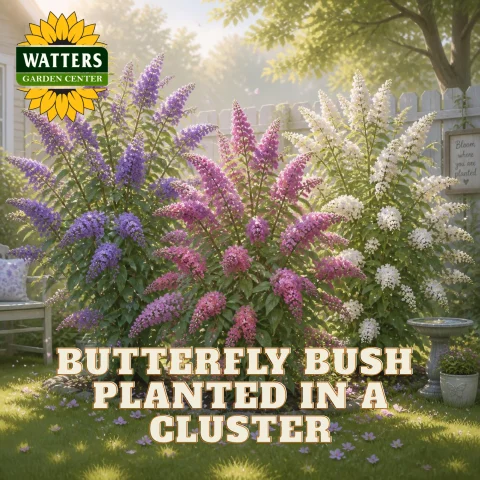
When planning your corridor, think in ‘drifts.’ Butterflies are more easily attracted to large splashes of color than to single, isolated plants. Instead of planting one Butterfly Bush, plant three or five in a cluster. This creates a visual beacon that says, “Dinner is served!”
Fueling the Flight: Nectar Plants
For the nectar portion of your highway, you want a succession of blooms from early spring through the first hard frost.




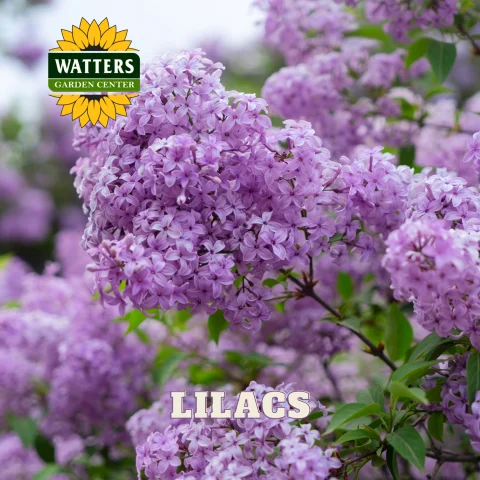
Spring Starts: Lean on Lilacs and Creeping Phlox. These provide that early energy boost when the weather is still unpredictable.
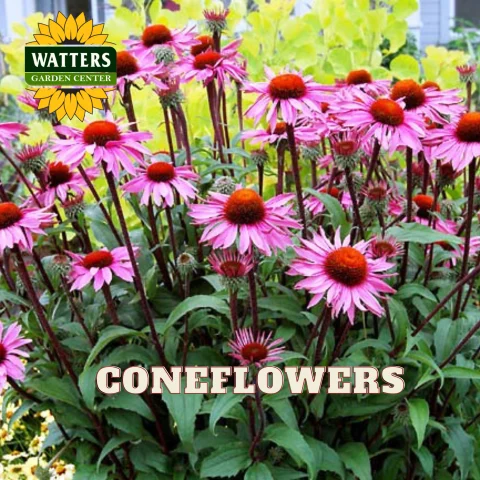
Summer Staples: This is where the heavy hitters come in. Butterfly Bush (Buddleia) is a classic for a reason—it’s a nectar powerhouse. I also highly recommend Coneflowers (Echinacea) and Black-eyed Susans (Rudbeckia). They are tough, drought-tolerant, and their flat centers act as perfect landing pads for heavy butterflies.


Autumn Endurance: As the Monarchs begin their long trek south, they need Autumn Joy Sedum and Native Asters. These late-season bloomers provide the “super-premium” fuel required for migration.
The Nursery: Host Plants
This is where many gardeners hesitate, but it’s the most crucial step. To have butterflies, you must tolerate caterpillars. This means accepting a few chewed leaves in exchange for a backyard full of life.
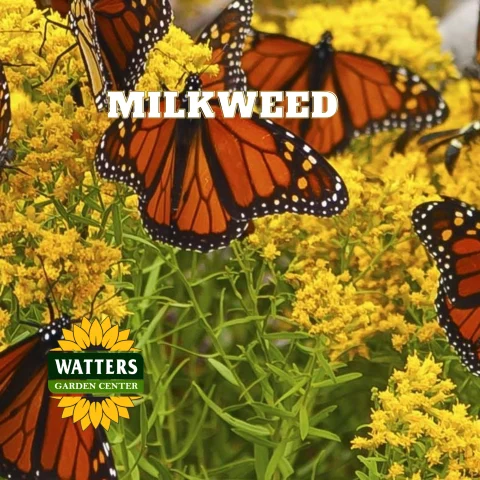
The most famous partnership is the Monarch and Milkweed (Asclepius). Without Milkweed, we simply don’t have Monarchs. Whether you plant the showy Butterfly Weed or the native Narrow-leaf Milkweed, you are providing the only food those striped caterpillars can eat.
Don’t stop there. If you want the giant, lemon-yellow Western Tiger Swallowtails, you need trees like Arizona Ash or Cottonwoods. For the delicate Black Swallowtails, tuck some Parsley, Dill, or Fennel into your herb garden. I always plant double the parsley I need—half for my kitchen and half for the “kids” in the garden.
Water & Shelter
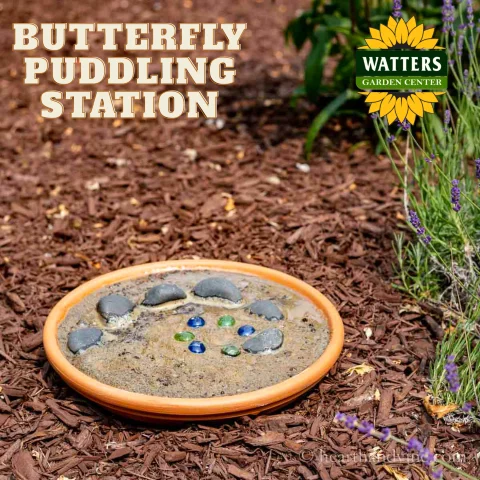
A highway needs more than just gas stations; it needs rest areas. Butterflies can’t drink from open water like a bird; they’ll drown. Instead, create a “puddling station.” Take a shallow saucer, fill it with sand and a few flat stones, and keep it damp. Butterflies will land on the wet sand to drink and mineralize.
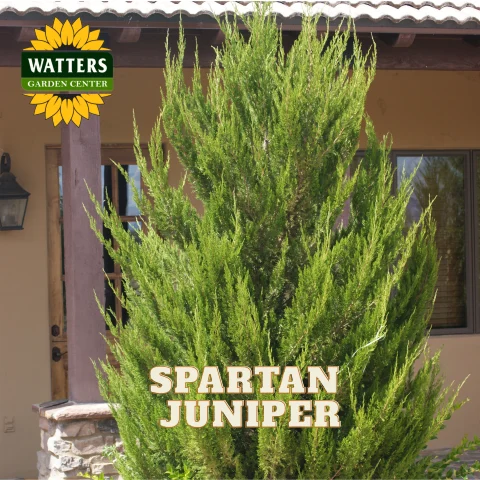


Shelter is equally essential. Our mountain winds can be brutal on a butterfly’s wings. Planting dense shrubs or evergreens, such as Juniper or Mountain Mahogany, on the windward side of your flower beds creates a “micro-climate” of calm air where butterflies can rest and conserve energy.
Pro Tip: Top 10 Butterfly & Hummingbird Plants
A Neighborly Promise
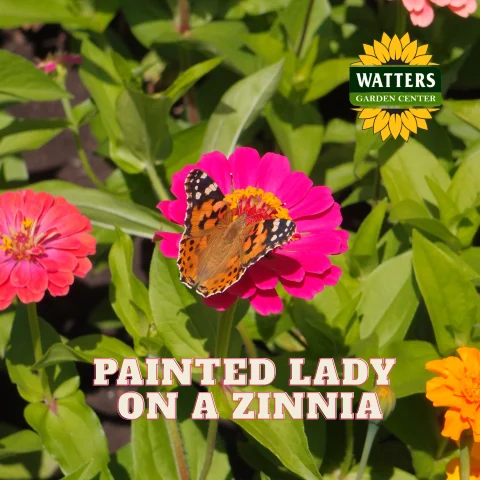
When you build a butterfly corridor, you’ll notice something magical. Your garden stops feeling like a chore and becomes a destination. You’ll find yourself sipping your morning coffee, watching a Painted Lady dance across your Zinnias, and realizing you aren’t just a gardener—you’re a steward of the land.
Keep your soil healthy with organic compost, avoid harsh chemical pesticides that don’t distinguish between pests and pollinators, and keep those blooms coming. Your backyard is a vital link in a chain that stretches across the continent. Let’s make sure it’s a strong one.
Join Me at the Garden Center!
Learning the ropes takes time, but you don’t have to do it alone. We host free garden classes every Saturday at 9:30 a.m. at Watters Garden Center.
- August 22: From Newbie to Arizona Garden Pro
- August 29: Best Plants for Pollinators in Prescott
- September 5: Fast Vines for Quick Garden Coverage
Until next week, I’ll be helping new local gardeners here at Watters Garden Center.
Ken Lain can be found throughout the week at Watters Garden Center, 1815 Iron Springs Rd in Prescott, or contacted through his website at WattersGardenCenter.com or Top10Plants.com