

When parents think about preparing their children for the future, their minds often turn to the milestones that seem farthest away. They think about saving for college, choosing the right extracurricular activities, finding the best schools, and creating opportunities that will help their children succeed. These are all important decisions, but one of the most consequential investments parents can make begins much earlier, during the first years of life.
Before a child ever steps into a kindergarten classroom, they are already developing the habits, skills and attitudes that will influence how they learn, communicate and navigate the world. The early childhood years are not simply a time to prepare children for school. They are when children begin building the foundation for lifelong success.
The first five years of a child’s life are a remarkable period of growth. During these years, children are learning how to express themselves, interact with others, solve problems, manage emotions, and explore their surroundings. These skills may not always appear on a report card, but they are essential building blocks for achievement.
A child who learns how to ask questions develops curiosity. A child who learns how to work through frustration develops resilience. A child who learns how to communicate thoughts and listen to others develops skills that will serve them throughout their education, careers and relationships.
Too often, early childhood education is viewed through the narrow lens of daycare. While providing a safe and nurturing environment is certainly important, quality early learning is about much more than supervision. It is about creating experiences that encourage children to think, discover, create and build confidence.




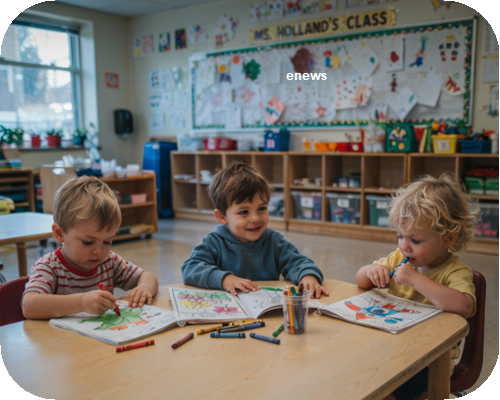
Young children learn best when they are engaged. They learn through play, exploration, conversation, and meaningful interactions with caring educators and their peers. A well-designed early learning environment allows children to develop at their pace while encouraging them to stretch their abilities and discover new interests.
This matters more than ever in a rapidly changing world. The skills that will define success are not limited to memorizing information. Technology can provide access to more information than ever before, but children still need the uniquely human skills that allow them to adapt, collaborate and innovate.
Curiosity, creativity, critical thinking and emotional intelligence are not skills that suddenly appear when a child enters elementary school. They are developed gradually through early experiences and the encouragement they receive from the adults around them.
Parents play the most important role in this process. Reading together, asking questions, encouraging exploration and creating opportunities for children to share their ideas all help build a strong foundation. Parents also benefit from having partners who understand child development and know how to create environments where young learners can thrive.
The relationship between families and early childhood educators is one of the most important partnerships a child can have. When parents and educators work together, children receive consistent support that helps them grow socially, emotionally and academically.


The challenge is about much more than preparing children for their first day of school. Instead, we must focus on preparing them to approach life with confidence, curiosity and a willingness to learn.
Every parent hopes their child will have opportunities to succeed. However, success does not begin with a college application, a first job or a major achievement. Success begins with the small moments that happen years earlier, when a child learns to share an idea, solve a problem, ask a question or overcome a challenge.
The investments parents make during these early years may not always be visible immediately, but their foundations will last a lifetime. The skills and habits built before kindergarten shape how children see themselves as learners and how they engage with the world around them.
The future is built one child at a time. And the most important investment in that future begins long before the first classroom, the first test or the first diploma. It begins with giving children the tools they need to discover, grow and succeed from the very beginning.