

Anyone who has ever traveled abroad may have noticed what is painfully obvious upon leaving the United States and then coming back: Americans are overweight. Indeed, besides some of the small island nations of the Pacific, the United States has the highest levels of obesity in the world.
Another factor is that, according to a 2025 report on the National Institutes of Health website, “Household income was strongly linked to obesity. Those in the lowest income quartile, earning between $0 and $25,000 annually, had an obesity rate of 38 percent, compared to 27 percent in the highest income group, earning over $90,000 per year.”
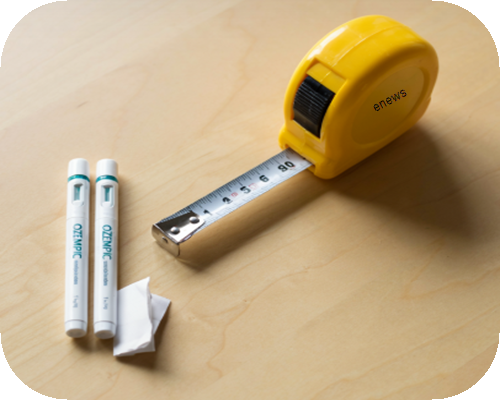
This is why, over the last several years, my organization has been fighting to make the new class of weight-loss drugs, known as GLP-1s, more affordable. As of July 1, up to 14 million Americans will have access to these life-changing drugs for only $50 per month, through Medicare, and President Trump deserves credit.
Trump actually followed the path of his predecessor, President Joe Biden, who also originally balked at GLP-1 coverage for Medicaid patients but eventually came around. Both men were worried about the budget effects of offering these drugs but realized that the long-term dollar and human costs were higher by denying Americans access to these treatments. Over time, healthier people use less medical care, which translates into cost savings for taxpayers.
Trump accomplished this price reduction by linking the cost of these weight-loss medications to “most favored nation status,” a standard that requires drugmakers to charge Americans what they charge patients in many other countries.






While this Medicare coverage is welcome news, it is not permanent. In fact, it is part of a plan called “Medicare GLP-1 Bridge” that extends from the beginning of next month until the end of 2027. This year-and-a-half experiment is to gauge the costs and benefits of providing these weight-loss drugs to Medicare patients.
Until this new program, Medicare patients were able to get coverage for GLP-1s only if they were diagnosed with illnesses like cardiovascular disease, diabetes and sleep apnea. If you were simply overweight, you were blocked from getting these drugs under Medicare rules. This never made any sense, because being overweight is what likely caused people to contract these conditions. In other words, Medicare would cover you after you got a serious disease but not treat you to prevent you from getting the disease.
It should also be noted that lawmakers in Congress understand the importance of ensuring seniors can access affordable GLP-1s. Sen. Ron Wyden, an Oregon Democrat, is proposing to extend the “Medicare GLP-1 Bridge” beyond 2027.
Finally, if we are going to ensure that Americans get full access to these weight-loss drugs, we need the health insurers to stop being the barrier. Time and again, insurance companies do everything they can to put up roadblocks to medical care in order to save a few bucks. Indeed, insurers blocked a previous Medicare trial program to make these weight-loss drugs more affordable, thereby protecting their profit margins.
Like many Americans, I worry the divide between rich and poor in this country is widening. A nation that has money for wars and tax cuts for billionaires should also be able to ensure that working folks can afford weight-loss drugs. Kudos to Trump for following Biden’s example by offering this government coverage, and I hope lawmakers continue this program so everyone can afford to be healthy.