

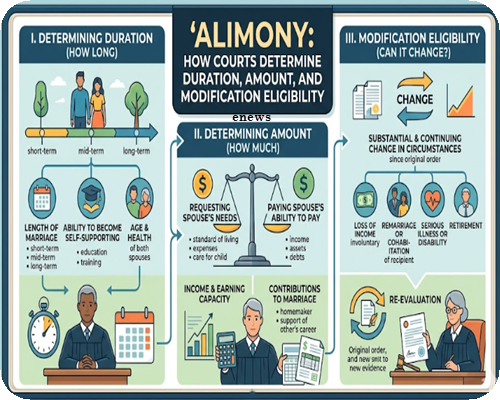
Alimony rulings depend on evidence, timing, and credible financial proof. Courts examine earnings, monthly needs, marriage length, and each spouse’s capacity for future employment before setting support. Judges also consider health limits, child care demands, and the marital standard of living. No single formula controls every dispute, so results can vary even in similar cases. A well-prepared record often shapes whether support is granted, how long payments continue, and whether later revision is legally justified.
What Judges Review First
Courts usually start with two issues: actual need and present ability to pay. Before setting any figure, judges compare income, expenses, property, debt, and employment history. In many divorce matters, filing rules, sworn disclosures, and hearing practice influence how proof reaches the court, so parties often gather records early and seek reliable Tampa alimony lawyer services to sort wage data, household costs, and marriage facts before support arguments are presented to a judge.
Marriage Length Matters
Marriage length often shapes both the form and duration of support. Brief marriages may lead to little or no ongoing payment. Mid-length unions can support a limited term. Longer marriages may justify extended assistance if one spouse still cannot meet reasonable needs alone. Even so, years by themselves do not decide the case. A long marriage does not promise a large award, and a shorter one can still support temporary relief where facts strongly favor it.
Types of Alimony
Different awards serve different purposes. Bridge-the-gap support helps with the move from married life to separate households and usually lasts a short time. Rehabilitative support is tied to a concrete plan for schooling, licensing, or job training. Durational support runs for a fixed period. Lump-sum support appears less often, yet it can fit unusual facts. The label matters because each category carries different limits on length, enforcement, and later review.
How Courts Set Amounts
Support amounts usually reflect reasonable need and proven ability to pay. Judges review budgets, tax returns, salary history, bonuses, business revenue, and available assets. Marital spending can matter, yet claimed expenses still must appear fair and grounded in real numbers. A wide earnings gap may support a stronger award, but alimony is not meant to punish either spouse. Courts aim for a result that fits the evidence and remains workable after the divorce.





Earning Capacity and Sacrifice
Future earning capacity can matter as much as current income. If one spouse stepped away from work to raise children or support the other’s career path, that choice may have significant consequences. Education, job skills, age, and health can change what a person is able to earn later. Present wages may tell only part of the story. That point matters where one spouse can rebuild income quickly while the other faces slower recovery.
Property and Support Work Together
People rarely view alimony by itself. Property division can reduce or increase the need for continuing support, especially if one spouse receives assets that generate income. Debt allocation also affects true payment ability because large monthly obligations can narrow cash flow. Retirement accounts, business interests, and real estate may shift the analysis. Courts review the overall financial result of the divorce, then decide whether added support remains necessary and fair.
Modification Is Not Automatic
A support order does not stay frozen forever, yet change is never automatic. The spouse seeking modification usually must prove a substantial, material, and lasting shift in circumstances. Job loss, serious illness, retirement, or a major rise in earnings can trigger a review. Some support forms are easier to modify than others. Missed payments alone do not rewrite an order. Judicial approval is required before any lawful adjustment takes effect.
Events That Often End Support
Certain events can end payments with little dispute. Death of either spouse usually stops support. Remarriage of the receiving spouse often ends many awards as well. In some cases, a supportive new relationship may also affect continued eligibility. Exact wording in the final order matters greatly. Courts read those terms closely, so parties should review the judgment before assuming a duty has ended, changed, or continued.
Records Often Decide Close Cases
Strong documents often decide close disputes. Pay stubs, bank statements, budgets, medical records, and job search proof help judges test each claim. Loose estimates usually weaken a request for support or a defense against payment. Courts tend to trust consistent figures that match sworn disclosures. Careful preparation can also reduce later conflict because both sides can see how the proposed amount and duration connect to actual evidence in the record.






Conclusion
Alimony decisions rest on detailed facts, rather than broad assumptions. Courts measure need, payment ability, marriage length, earning capacity, and the full financial effect of the divorce before entering an order. Later changes require persuasive proof and close attention to the original terms. For that reason, parties often benefit from organized records, accurate budgets, and a focused legal strategy. Those steps can influence duration, amount, and any future request to modify support.