


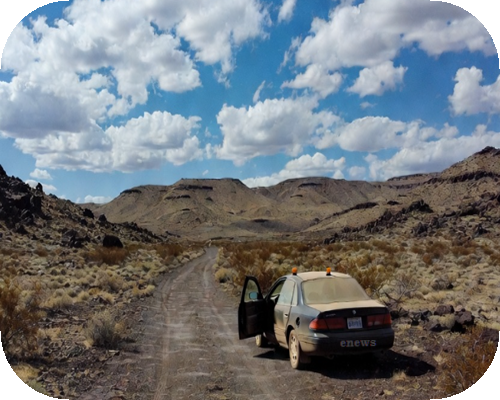
If you drive a pickup truck in Arizona, you already know the feeling. You leave Prescott heading toward Crown King or out past Skull Valley, and the gas stations just disappear. Miles and miles of open road. No cell service. And a fuel gauge that keeps dropping.
This is not a rare situation. It happens to local drivers all the time, and the fix is simpler than most people think.
Arizona Roads Were Not Built for Small Gas Tanks
The Prescott National Forest alone covers more than 1.25 million acres. Roads like the Senator Highway and Crown King Road take you deep into the Bradshaw Mountains, far from any pump. Add in towing a trailer or running a heavy load, and your truck burns through fuel faster than expected.
A lot of drivers still rely on the factory tank that came with their truck. Those tanks were designed for normal commuting. They were not built for long hauls through remote Arizona terrain.


That is where auxiliary fuel tanks for pickup trucks come in. Instead of watching your gauge and sweating it out, you carry the extra fuel with you. These tanks mount in the bed of your truck or under the body, and some systems automatically transfer fuel to your main tank as it drops. You just keep driving.
The Real Cost of Running Low Out Here
Running out of fuel in a remote area is more than an inconvenience. It can be dangerous. Temperatures in Arizona can hit well above 100 degrees in summer. Cell service is spotty across much of the Prescott basin and the surrounding forests. A breakdown in that environment means you are waiting a long time for help.
Even if you do not run completely dry, stopping to refuel on rural roads means you have fewer options. Remote gas stations know they are the only game in town. Prices reflect that.
In fact, gas prices in Arizona have been trending significantly higher in recent months, with the state average climbing well above the national mean. For truck owners making multiple long trips each week, those stops add up fast. An auxiliary tank lets you fill up in town at a better price and skip the rural stations entirely.



Who Actually Needs One
Not every driver needs an auxiliary tank. But if you fall into any of these groups, it is worth serious consideration.
Contractors and tradespeople who drive out to job sites in remote areas are strong candidates. So are hunters, campers, and off-road enthusiasts heading into the Prescott National Forest for multi-day trips. Ranchers who travel long dirt roads daily also benefit. And if you regularly tow a fifth wheel or a heavy trailer, your mileage drops sharply, making your stock tank feel smaller than it already is.
Think about your last long drive. Did you stress about finding fuel? Did you stop somewhere you did not want to because you had no other choice? If yes, an auxiliary tank solves that problem directly.
There is also a group that often gets overlooked: emergency preparedness-minded drivers. Arizona sees wildfires, flash floods, and sudden road closures that can reroute you by dozens of miles without warning. When that happens, the detour may take you far from the nearest open station.
Having an extra 30 to 50 gallons on board means you are not caught short during an already stressful situation. For many Arizona residents, that peace of mind alone is reason enough to make the upgrade.
What to Look for Before You Buy
Auxiliary tanks come in a few different styles. In-bed tanks sit in the truck bed and are easy to install. Under-body tanks preserve your bed space and mount to the frame. Combination toolbox-and-tank units are popular with tradespeople because they serve two purposes at once.


When shopping, look for tanks that are EPA and DOT compliant for on-road use. This matters especially if you drive in multiple states. Build material is also important. Cross-linked polyethylene holds up well against corrosion. Steel tanks are durable but can rust over time if not properly maintained.
Before installing, it is smart to understand the relevant fuel transfer regulations in your state. For a good overview of the rules and practical considerations around auxiliary systems, resources aimed at long-haul and RV towing situations break down the regulatory side clearly and are worth a read before you commit to a setup.
A Simple Fix for a Real Problem
Arizona is stunning to drive through. That is part of why so many people move here and why so many people who already live here spend their weekends on backcountry roads. However, the same landscape that makes those drives beautiful also makes them unforgiving.
Carrying extra fuel is not an overreaction. It is just smart planning. If your truck is your daily driver and your adventure vehicle at the same time, equipping it to handle both roles makes every trip easier. Fill up in town, load up on fuel, and actually enjoy the drive instead of watching the gauge.
There is also a safety argument that does not get talked about enough. Search and rescue teams in Yavapai County respond to stranded motorists every year. Many of those calls come from people who simply underestimated how far they were going or how much fuel their truck would burn on rough terrain.
An auxiliary tank does not just add convenience. It adds a real margin of safety. And unlike other truck upgrades, it pays for itself fairly quickly when you factor in the fuel cost savings from skipping remote stations and buying in bulk when prices are lower in town.