


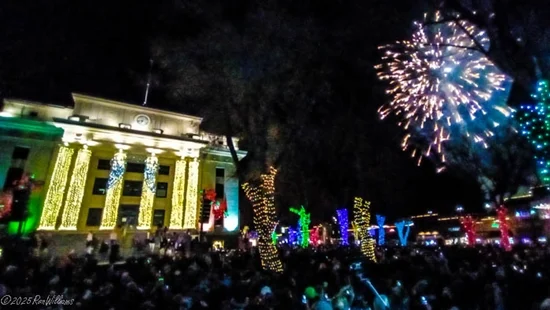
On Tuesday’s Prescott City Council’s agenda is a “Special Events Sponsorship Policy.” I suggest the City Attorney explains at that meeting why he thinks this proposal is constitutional. On its face, it is not. It might be well-intentioned, but as the following will make clear, it is a misguided effort. The policy provides taxpayer subsidies to events if they bring in a certain number of tourists and produce over $100,000 in tax revenues. Specifically, it offers subsidies of up to 50% of the city tax revenue generated, alongside up to $40,000 in city services for each private organization.
In Schires v. Carlat, the Arizona Supreme Court reiterated that “the public entity must receive a bargained-for benefit as part of the private party’s performance, and the payment of public funds must not be grossly disproportionate to the fair market value of that benefit.” Only promised public services can justify these subsidies. Under the proposed policy, however, there is no requirement to provide public services. Activities like concerts, bike races, rodeos, parades, or light displays do not qualify as public services.
Additionally, the court ruled that anticipated tax revenues cannot be used to value the public services provided: “As with anticipated economic impact, fiscal impact (anticipated tax revenues) is an indirect benefit that is irrelevant to our analysis.” Why, then, is the city trying to justify these subsidies based on anticipated tax revenues? Furthermore, why is the city proposing to spend funds on studies to project the tax revenues these special events might generate?
Another subsidy requirement is that the event reaches over one million media “impressions,” which include each time someone views a social media or press reference. Like the other requirements, these impressions do not constitute a public service.
To provide clarity to the Council and the public for any future proposed benefits to private parties, the city should present a comparative analysis. It must estimate the value of the public services promised by the private party and weigh that against the value of the benefits the city provides.




If the city wants to promote tourism, it can do so constitutionally. Beyond marketing the general benefits of visiting Prescott, the city can fund year-round advertising for upcoming local events, targeting audiences in the Phoenix area. These funds could come from the city’s hotel/motel bed tax revenues or the general fund.