


The labor force participation rate is now at its lowest level since 1977. While there are many explanations, one overlooked barrier deserves attention. Millions of Americans who would choose independent work can’t afford to because an outdated regulation has made it nearly impossible to access basic benefits without a traditional employer.
More than one in three Americans now earn income through independent contracting, freelancing or on-demand work — a figure that has grown 97 percent since the late 1990s. Yet the nation’s 72 million independent contractors are effectively blocked from accessing common workplace benefits such as healthcare or a retirement account. In America, you get your benefits through your employer. If you don’t have one, you’re on your own.
This wasn’t by design. The regulation dates back to World War II, when the federal government implemented wage controls to prevent inflation, making it illegal for companies to raise salaries to compete for workers. To attract talent, companies instead offered health insurance and other benefits tax-free — inadvertently ensuring that anyone who worked for themselves would be left behind.
Over time, federal agencies began treating benefits as evidence of employment. The Department of Labor and the Internal Revenue Service now warn employers that if they treat independent workers like employees — say, by offering them benefits — they risk reclassifying them permanently, triggering years of back taxes, penalties and legal liabilities. Faced with that risk, most companies avoid offering benefits altogether, even when they want to.
That’s the problem: workers want benefits, companies want to offer them, and a regulatory relic is the only thing standing in the way.


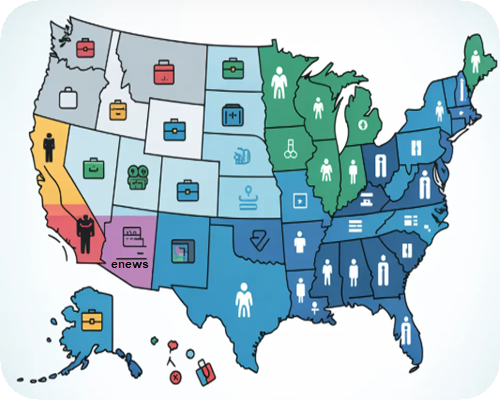
Thankfully, an innovative solution is emerging in statehouses nationwide. Georgia just became the fifth state this year to adopt portable benefits, joining Idaho, Kansas, West Virginia and Wyoming — with more than a dozen states expected to follow before 2026 ends.
The reform is simple: companies can contribute funds into accounts that independent workers use for benefits of their choosing — health insurance, retirement savings or childcare costs. The accounts belong to the worker, not the employer, and carry over when they move to a new client or platform.
Georgia’s DoorDash pilot program offers a preview of what this looks like in practice. More than 5,500 workers signed up, the company contributed 4 percent of participants’ gross income into their accounts, and 77 percent reported feeling greater financial security.
The portable benefits reform has caught the eye of state and federal policymakers.
Portable benefits can help mothers who want to stay home with their children but still need to contribute to their family’s income — allowing them to earn money on their own terms through flexible work while still accessing the benefits that have long been out of reach.



As Liya Palagashvili, a senior research fellow at the libertarian Mercatus Center, has highlighted a survey of 2,000 women in independent work. The survey found that a quarter had recently left full-time jobs — and 60 percent did so because they needed flexibility, more time to care for a child or relative, or both.
Restricting independent work, in other words, could drive women out of the labor force — making the participation rate problem even worse.
At a time when labor force participation is at its lowest point in nearly 50 years, policymakers should be doing everything in their power to make work more appealing — traditional jobs and independent ones alike. Work provides not only an economic benefit but also a vital source of meaning and purpose.
Although it’s a modest reform, ensuring that labor laws don’t hinder Americans’ ability to work and access benefits is a commonsense fix that is earning rare support across party lines. For the mother balancing work and kids, the freelancer building a business, and the contractor who simply wants to build his retirement account, this reform is long overdue.