

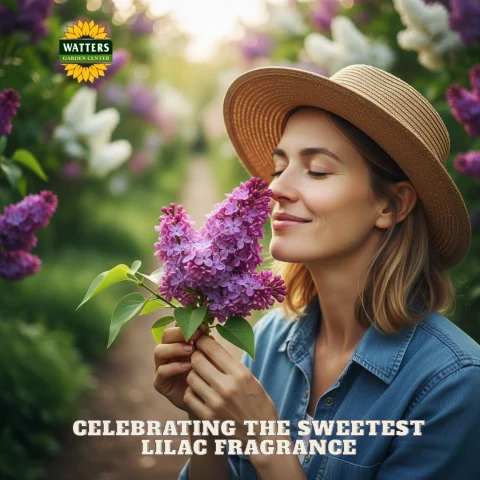
There is a specific moment every April when the air in Arizona’s high country changes. It isn’t just the warmth of the sun hitting the granite dells; it’s that first, unmistakable drift of lilac perfume on the breeze. To me, that scent is the ultimate reward for a winter well-weathered. If you’ve ever walked past a hedge of old-fashioned purple lilacs in peak bloom, you know exactly what I mean; it’s a fragrance that stops you in your tracks and demands you take a deep breath.
Lilacs are the royalty of the spring garden, but they aren’t just one-trick ponies. We have come a long way from the sprawling, massive bushes found behind Grandma’s farmhouse. Today, we have varieties that fit every nook and cranny of your landscape, and they are heartier than ever.
Choosing Your Fragrant Stars
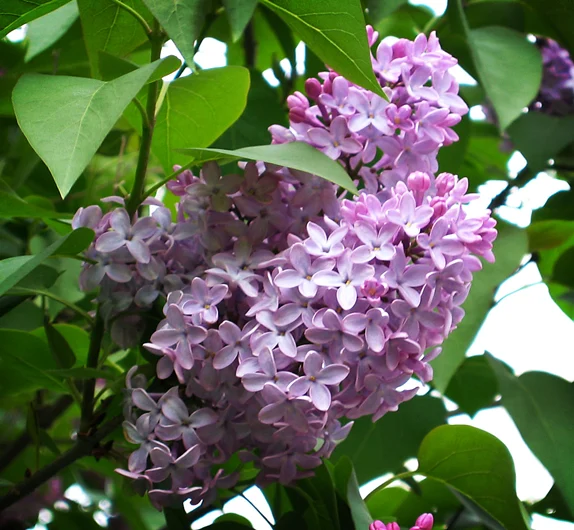 Miss Kim, Bl
If you want that classic, deep “lilac purple” and a scent that carries across the yard, you cannot go wrong with the Traditional Purple Lilac, Syringa vulgaris. These are the heritage plants that thrive in our alkaline soil.
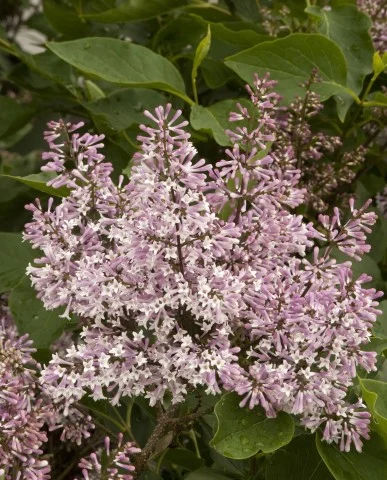




However, if space is tight, look toward Miss Kim. This Korean lilac is a personal favorite because she stays compact and tidy. Her blooms are a delicate, icy lavender, and her fragrance is even more intense than her larger cousins. Plus, her foliage turns a beautiful burgundy in the autumn, giving you two seasons of interest.
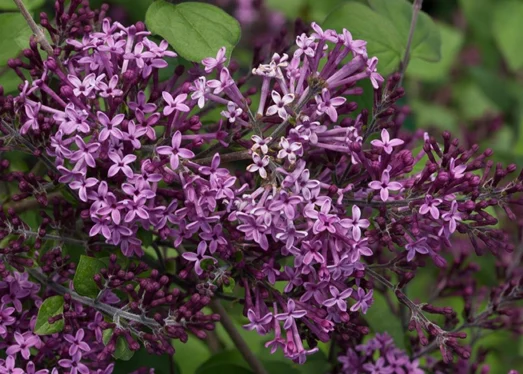
For those who want more than a few weeks of color, the Bloomerang series is a game-changer. Imagine a lilac that blooms heavily in spring, takes a brief summer nap, and then bursts back into flower from late summer right up until the first frost. It’s the gift that keeps on giving. And if you’re looking for something truly unique, the Pink Perfume offers a soft, rosy hue that breaks up the sea of purple and lavender with a spicy, sweet aroma that pollinators absolutely adore.
Waking Up Your Existing Lilacs
I often hear from gardeners frustrated that their old lilacs are “all sticks and no flowers.” If your lilac is looking a bit sparse or not blooming, it’s usually a cry for help about light or nutrition.
First, check your sunshine. Lilacs are sun-worshippers. They need at least six hours of direct sunlight to produce the energy required for those heavy flower clusters. If a nearby tree has grown over the years and shaded out your lilac, it’s time to prune back the competition.





Second, let’s talk about food. Our mountain soils are notoriously lean, and a hungry lilac simply won’t perform. To get the most blooms out of an established lilac, you need a “blooming one-two punch” before the flower cycle begins. First, apply 7-4-4 All Purpose Plant Food. This organic base provides the essential nutrients and soil microbes that keep the plant healthy and vigorous.
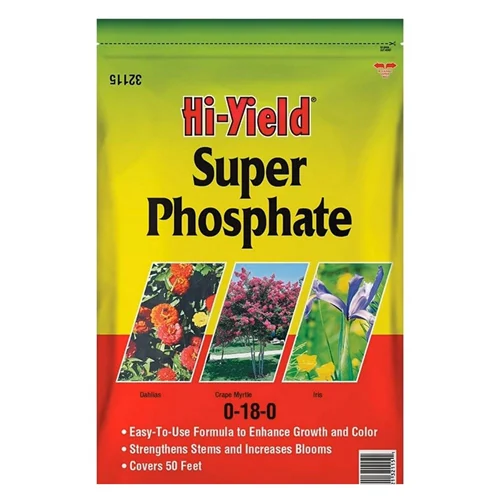
To really kick the fragrance and flower count into overdrive, pair it with 0-18-0 Super Phosphate. That high middle number is pure fuel for flower development; it encourages the plant to put its energy into massive, nectar-rich clusters rather than just green leaves. By combining these two, you’re giving your lilacs the structural strength they need and the phosphorus boost required to explode with color and that heady, sweet scent we all love.
Garden Tip: How to Grow and Care for Lilacs
The Art of the Cut
The best way to ensure more flowers next year is actually what you do right after the flowers fade this year. This is called “deadheading.” When those purple clusters start to turn brown, snip them off right above the first set of leaves. This prevents the plant from wasting energy on seed production and forces that energy back into the roots and next year’s buds.
If you have a very old, overgrown lilac, don’t be afraid to use some “tough love.” Use the rule of thirds: every year, cut out one-third of the oldest, thickest canes right down to the ground. In three years, you’ll have a completely rejuvenated shrub that blooms like a youngster.
Watering for Success
While lilacs are surprisingly drought-tolerant once established, they need consistent moisture while forming buds in early spring. If we have a dry spell in March or April, give your lilacs a deep soak once a week. You’ll see the difference in the size of the flower heads almost immediately.


Spring is a fleeting gift, and the lilac is its crowning jewel. Whether you’re planting a new Miss Kim by the patio or reviving a heritage purple lilac by the fence, you’re growing a legacy of fragrance. Come visit me at the garden center, and let’s find the perfect lilac to make your backyard the best-smelling yard in the neighborhood.
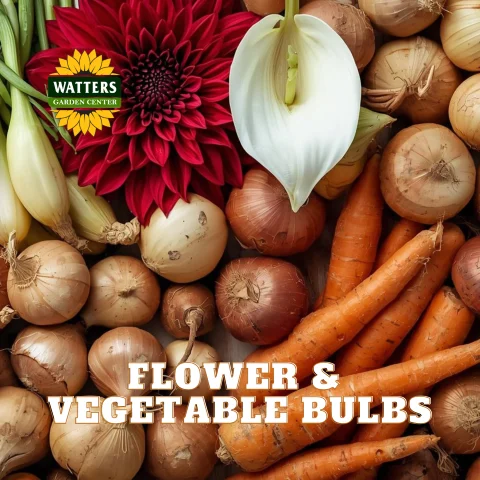
Essential Bulbs for Vibrant Gardens – Online Exclusive
Maximize your garden’s potential with essential bulbs. Grow beautiful flowers like Dahlias and Begonias alongside nutritious vegetables like onions and carrots in your raised beds.
Free Gardening Classes Every Saturday @ 9:30 am
Join us for these upcoming topics:
- April 4: Celebration of Spring’s Sweetest Lilac Fragrance
- April 11: Guide to Abundant Herbs & Vegetables that Feed Families
- April 18: Top 10 Flowers that Attract Pollinators
Until next week, I’ll be helping gardeners pick the perfect lilacs here at Watters Garden Center.
Ken Lain can be found throughout the week at Watters Garden Center, 1815 Iron Springs Rd in Prescott, or contacted through his website at WattersGardenCenter.com or Top10Shrubs.com.