


House Education Committee Chairman Matt Gress and Senate Education Committee Chairman Hildy Angius today condemned a coordinated wave of teacher sick-outs that forced the closure of dozens of public school district campuses last week, disrupting instruction for thousands of Arizona students and placing sudden burdens on working families.
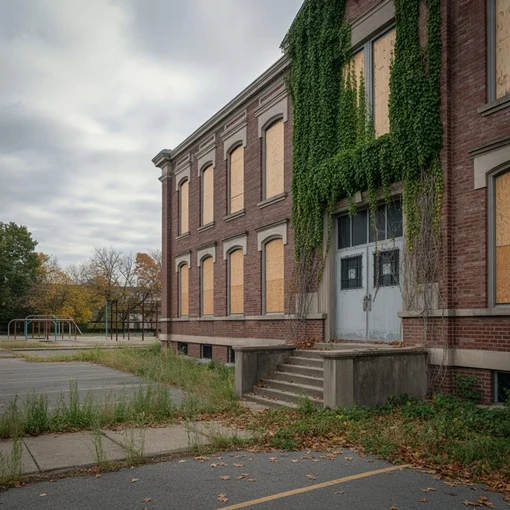
Dozens of district schools across the state closed for the day after large numbers of teachers and staff called out at the same time, leaving districts unable to meet basic supervision and staffing requirements. The closures coincided with organized leftwing political protests, raising serious concerns about the misuse of sick leave and the decision to put activism ahead of classroom instruction.
“Shutting down schools through coordinated sick-outs is unacceptable,” said Chairman Gress. “Students lost a full day of learning, parents were forced to scramble for childcare, and families paid the price for political tactics that do not belong in public education.”
“Public school districts exist to educate students, not serve political movements,” Gress added. “When educators walk out, children are left behind. Parents expect schools to be open, dependable, and focused on teaching, and that expectation was violated.”
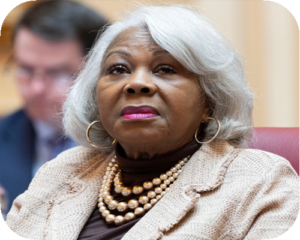
Senate Education Chairman Hildy Angius said the closures highlighted a lack of accountability in district systems and a troubling willingness to disrupt students’ education for political purposes.






“Parents send their children to school expecting stability and instruction, not sudden closures driven by organized protests,” Chairman Angius said. “Using sick leave to shut down campuses crosses a line and undermines trust in public schools.”
Chairmen Gress and Angius confirmed that legislation is being prepared to prevent similar disruptions and to establish consequences when schools close due to coordinated political activity. Additional details will be released once the legislation is introduced.
“Arizona students deserve classrooms that stay open and leaders who put education first,” Angius said. “We intend to act.”