

Gardeners know a simple truth: the better the soil, the larger the harvest, the brighter the flowers, and the easier the gardening. Once you’ve tried digging the first planting hole in a mountain garden, you quickly figure it out. Our native soils are often incredibly HARD! Successful gardens come down to soil quality. If you skimp on your spring preparation to “soften” the ground and build it up, your garden’s production will drop close to zero.
This is my month to amend garden beds, turn the soil, and let the garden rest before planting season officially begins on March first. This quiet winter work is a key secret to mountain soil prep that returns bushels of produce and a season full of flowers. Any backyard garden, whether in the ground or in raised beds, requires these easy, preparatory steps.
The Importance of Organic Material
The more organic material a soil contains, the better its quality. Our mountain soils are particularly challenging because they naturally lack organics such as compost, manure, and leaf mold. Because plants use up these organic resources throughout the year, your gardens must be ‘topped off’ with freshly composted material each spring. The recipe that follows will add new vitality to your soil.
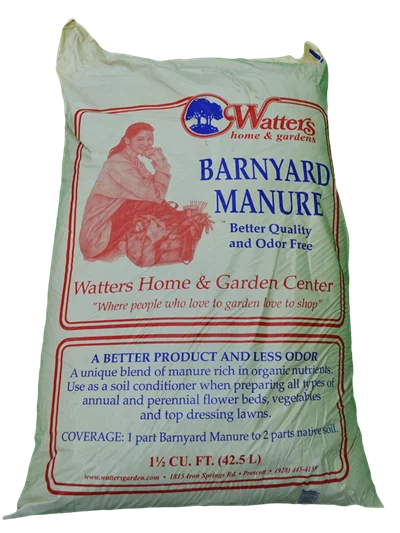
For my smaller garden plots, I use deodorized ‘Watters Barnyard Manure‘ that comes bagged and easy to add. This aged manure has a rich, mature texture; it doesn’t smell and isn’t slimy. This year, my gardens received a generous dose of 50% Watters Barnyard Manure and 50% of Watters Premium Mulch. If in doubt, skew towards more manure.





The mulch and manure blend performs several essential jobs: it ensures proper drainage, encourages healthy root growth, and improves water retention in the gardens.
Nutrition: N-P-K and Minor Elements
Mountain plants require ample calcium, magnesium, phosphorus, and other minor elements. Before turning the organic materials (manure and mulch) into the planting bed, we need to add two specific sources of nutrition and a vital pH correction.
- Gypsum (Calcium Sulfate): This provides a significant source of calcium for plants, which is crucial for preventing blossom-end rot in tomatoes. It also helps break up heavy clay.
- ‘Fruit & Vegetable Food’ 6-4-4-7: This is the organic plant food I created years ago. The numbers represent the N-P-K (Nitrogen, Phosphorus, and Potassium) ratio, plus 7 % calcium. This food works perfectly in vegetable beds for a heavy harvest and in flowerbeds to produce striking colors and fragrances!
Soil pH Correction
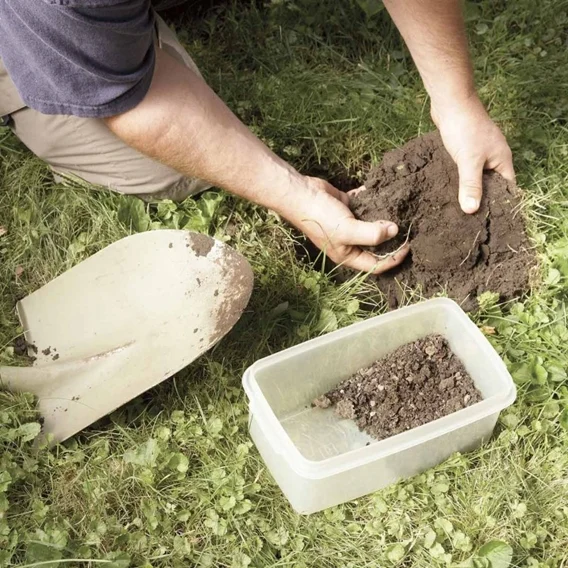
Over the growing season, your soil pH tends to creep up, often due to poor water quality. This is a significant problem that must be corrected to keep plants within the ideal pH range of 6.5–7.5. When your garden pH rises above this optimal range, nutrient absorption slows, production stops, fruit drops, and plants may yellow, wilt, and finally drop their leaves.
Granular “Soil Sulfur” turned into your garden soil to one shovel’s depth is the necessary correction for high garden pH, and every mountain garden needs it in late winter.






The Ultimate Soil Recipe
In summary, here is the formula for soil amendments and additives to use this spring:
- Begin with a 2-inch layer of 50% ‘Watters Premium Mulch’ and 50% ‘Watters Barnyard Manure’.
- On top of this organic layer, evenly sprinkle the recommended rates of gypsum, Fruit & Vegetable Food 6-4-4-7, and Soil Sulfur.
- Turn these additives into your garden soil to a depth of 1 shovel.
Final Resting and Settling
Freshly turned soil is light and airy. It is imperative to tread carefully on your amended garden soil so it retains this texture. Walk on predefined paths or use a wooden plank to walk over the ground without compacting it unnecessarily.
We should have at least two good winter storms before March 1st to settle the soil. If we don’t get snow, deeply water your garden soil twice before planting. This ensures that all the new amendments integrate evenly and reduces the risk of root damage from uneven pockets of manure or sulfur.
I didn’t give exact additive amounts here because those depend entirely on your garden plot’s size. Bring your garden measurements to me at Watters Garden Center, and I’ll make sure you leave with the precise quantities of each additive you need!

Free Gardening Classes Every Saturday @ 9:30 am
Mark your calendars! The spring classes and instructors are finalized. Join us for these upcoming topics:
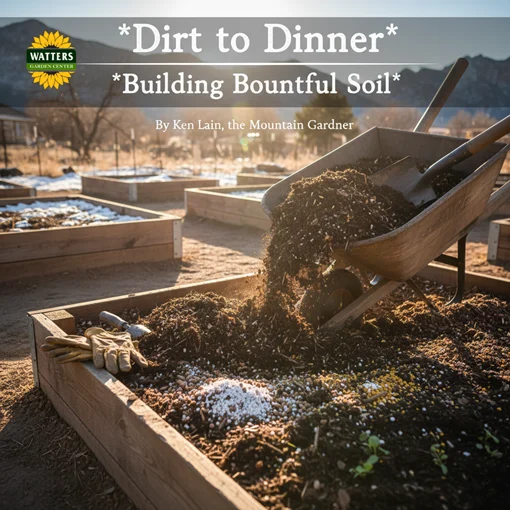
- January 31: Dirt to Dinner – Building Bountiful Soil
- February 7: Sweet Rewards – A Gardener’s Guide to Home Orchards
- February 14: Beginners Guide to Small Spaces with Big Garden Rewards
Until next issue, I’ll be helping local gardeners get dirty here at Watters Garden Center.


Ken Lain can be found throughout the week at Watters Garden Center, 1815 W. Iron Springs Rd in Prescott, or contacted through his website at WattersGardenCenter.com or Top10Plants.com.