

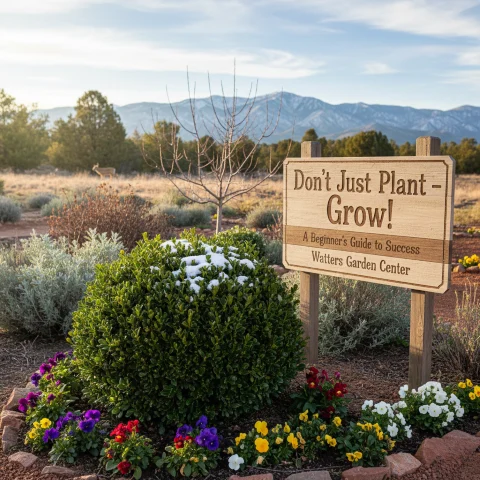
January is a time for planning, and I want to introduce you to a winner for year-round beauty: the Wintergem Boxwood (Buxus microphylla japonica). This evergreen shrub is the perfect anchor for your high-country garden, offering dense, bright green foliage that holds its color even in the cold. It grows slowly, making it ideal for low hedges, borders, or even in containers, and it’s tough as nails against our mountain winds and dry air. It truly is a gem and can be planted at any time in January!
Mountain gardening differs from gardening at lower elevations. Combine our altitude with Arizona’s dry climate, bright air, and ever-present mountain winds, and you can forget what you learned from gardening in other parts of the country! The high country of Arizona is unique in how its soils respond to water or a lack thereof. Suppose you’ve moved from the deserts or low country of Southern California. You really, REALLY need to read on to learn how to be a successful gardener in these conditions.

Understanding Your Mountain Climate
Our local USDA garden zone is 7b with a definite influence from zone 8. This defines our area as mild, with a distinct winter of nightly freezing temperatures. The secret when buying plants is to look for those that grow in zones 7 and lower. Stay away from growing desert plants meant for zones 9 and 11. They simply won’t survive our winters, and that’s a heartbreak we can easily avoid!
Blooming/Fruiting Mountain Plants – The low winter temperatures provide the chilling required by deciduous fruits and perennials that thrive in colder climates. The list includes apples, peaches, cherries, grapes, and berries. This climate is also conducive to blooming deciduous shrubs such as lilacs, forsythias, hardy camellias, rose of Sharon, butterfly bushes, and Russian sages. Our cold season is actually a benefit, allowing us to grow plants that other warmer regions can only dream of!





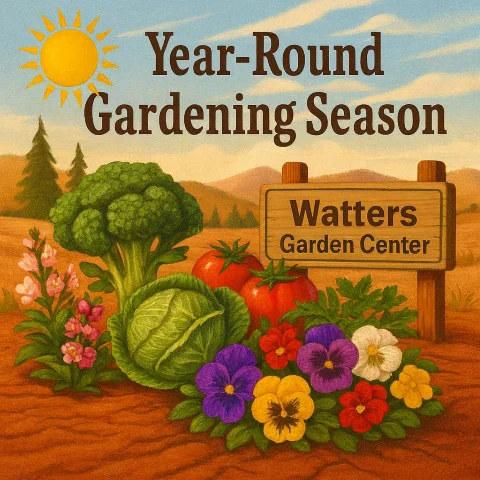
2 Season Year-Round Gardening Delight
We garden year-round because of our mild seasons. Broccoli, spinach, lettuce, cabbage, and Brussels sprouts are available at the garden in late winter. They should be planted as early as possible through early spring, with expected harvests before Mother’s Day. Warm-season crops like tomatoes, peppers, etc., are started in May. Few places in the country allow these two-season harvests! For a detailed guide, always check my Local Vegetable Planting Calendar for exact mountain planting dates.
Prescott’s best winter-blooming flowers include pansies, snapdragons, violas, dusty millers, Johnny-jump-ups, and ornamental kale. Our mild cool season is a boon for gardeners who grow for color. A splash of flowers blooming through the snow is an oasis of cheer through winter. All are available at the garden center very early in the year. I fully expect my garden to provide brilliant color every month of the year.

Battling Sun, Wind, and Soil
Never underestimate the Arizona sun, wind, and dry air at these higher elevations. They are significant influences on which plants do well in our landscapes and which don’t. This region does best with plants that have thick, leathery leaves because they help retain extra moisture and reduce the risk of tearing during the area’s fierce windstorms. This is when it pays to talk to a gardening expert with experience dealing with local landscapes; it can save you a whole lot of time, energy, and expense in creating your landscape. See us for more details.






Mountain soils change from home to home, even on the same street. In many landscapes, the soil in the front yard is different from that in the backyard! You need to learn how plants react in each new garden location. Local soils are typically either sandy or heavy clay with very little organic material. Soil preparation for planting is of extreme importance. It demands adding organic mulch to your soil to either hold moisture in granite soils or prevent clay soils from compacting. Our soil is alkaline, so don’t add lime or wood ashes, as they would raise your pH, which is already extremely high. Instead, local gardens benefit from Soil Sulfur, which lowers soil alkalinity.
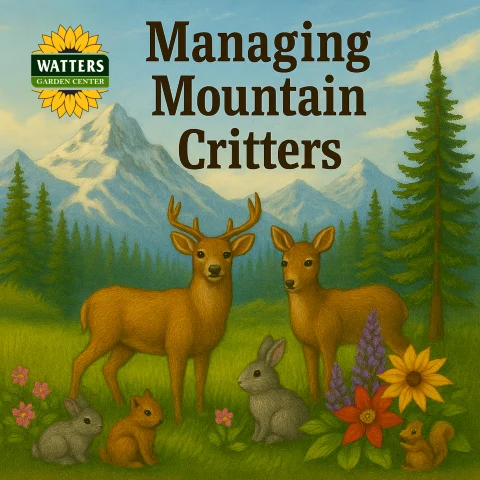
Managing Mountain Critters
National Forest lands surround us, so mammals can be an issue for local gardeners. Javelinas, deer, antelope, rabbits, squirrels, and gophers can all devour portions of a carefully planned landscape. Garden here for more than a season, and you quickly find local gardeners who either gave up because of the critters or have found ways to garden with them. Start with my deer-resistant plants and applying a quality animal repellent like ‘Animal Stopper‘ are your first lines of defense!
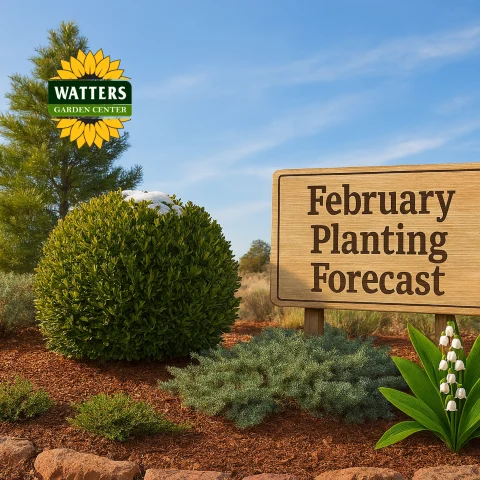
February Planting Forecast
While January is for planning and planting our featured Wintergem Boxwood, we’ll soon be ready for more. Plants that look their best when planted in February include hardy evergreens like pinion and carpet juniper, as well as perennial favorites like lily of the valley and peony. Each is starting or arriving at the garden center now.

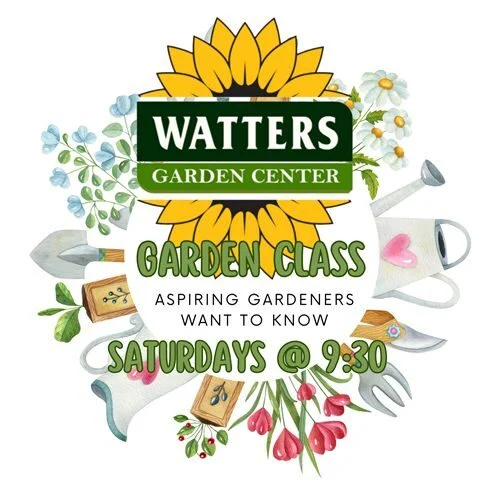
Spring Garden Classes begin in January.
Here’s the roster of exciting classes starting in January. We go deep into growing better. Check out this spring’s entire class selection offered every Saturday @ 9:30 am


January 24 – Why January is the Month to Plant Wildflowers
January 31 – Dirt to Dinner – Building Bountiful Soil
February 7 – Sweet Rewards – A Gardener’s Guide to Home Orchards
Until next issue, I’ll be helping local gardeners garden smarter here at Watters Garden Center.
Ken Lain can be found throughout the week at Watters Garden Center, 1815 W. Iron Springs Rd in Prescott, or contacted through his website at WattersGardenCenter.com or Top10Plants.com