
Photo by deepblue4you on iStock
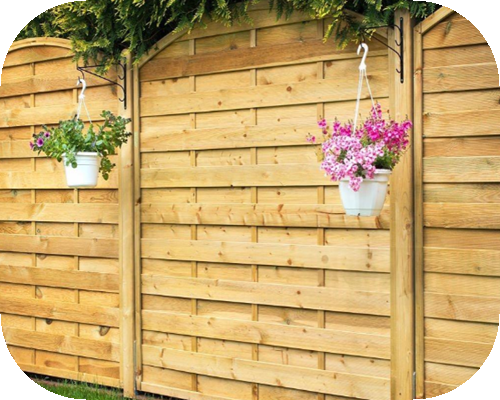
Creating a multi-functional outdoor space that maximizes every square foot is becoming increasingly important, especially in urban areas where yard space is limited. But how can you incorporate built-in planters or seating into your fence design?
The most effective way to add built-in planters or seating to a fence is to construct shelf-like extensions or recessed areas into the fence structure during initial installation, typically extending 16-24 inches out from the fence and supported by additional posts or brackets.
While this basic approach works well for many homeowners, there are actually several different design variations and construction methods that could better suit your specific needs and space constraints. Continue reading to explore the various options and determine which approach is best suited for your particular fence type and yard layout.
Different Design Options For Built-In Fence Features
The most straightforward design is the cantilever approach, where horizontal boards extend outward from the fence to create a floating bench or planter shelf. This requires robust post construction, typically using 6×6 posts set at least 3 feet deep in concrete, spaced no more than 6 feet apart where the built-ins will be located. Most professional fence installation companies recommend this spacing for optimal structural integrity.






For a more integrated look, you can create recessed sections within the fence itself. This involves building a deeper fence framework that allows for nooks to be carved out for seating or planters. This method works particularly well with privacy fences, creating a seamless, architectural appearance.
A third option is the modular approach, where separate planters or seating units are attached to a reinforced fence structure. This design allows for more flexibility in placement and makes future modifications easier.
Which Material Combinations Work Best For Built-In Features?
Pressure-treated lumber combined with cedar or redwood is a popular choice, as it provides durability where needed while maintaining an attractive appearance. The structural components should always be pressure-treated, while the visible surfaces can be made from more aesthetically pleasing woods.
Composite materials paired with aluminum framing offer excellent longevity and require minimal maintenance. Though more expensive initially, these materials resist rot, insects, and weathering, making them cost-effective over time.
For a modern look, combining steel or aluminum framework with wood elements creates a sturdy structure while maintaining warmth in the design. This combination is particularly effective for floating bench designs.






What Maintenance Requirements Should I Consider?
Built-in features require more regular maintenance than standard fencing due to increased exposure to moisture and weight stress. Annual inspections of support structures and hardware are essential, particularly where seating is concerned.
Drainage is crucial for planter installations. Installing proper drainage systems with gravel bases and drainage holes prevents water accumulation that could compromise the fence structure. The soil level in planters should be maintained slightly below the wood level to prevent direct water contact.
Sealing or staining should be performed every 2-3 years on wooden components, paying special attention to horizontal surfaces where water tends to collect. Any signs of warping or rot should be addressed immediately to prevent structural issues from developing.
How Much Weight Can Built-In Fence Features Support?
For built-in seating, the structure should be designed to support at least 500 pounds per 6-foot section. This requires proper engineering of the support system, including adequate post depth, appropriate bracket sizing, and correct hardware selection.
The weight capacity for planters depends on soil type and moisture content. As a general rule, plan for approximately 100 pounds per cubic foot of soil. For a typical 2x2x6-foot planter, this means designing the support structure to handle around 2,400 pounds when the soil is saturated.
It’s crucial to consult local building codes, as many municipalities have specific requirements for built-in structures. Working with a licensed contractor can ensure your design meets these requirements while maintaining safety margins.
What Are Some Common Mistakes To Avoid When Adding Built-In Features?
One frequent error is failing to account for wood movement and expansion. All wooden components need adequate spacing to allow for seasonal changes, particularly around joints and connecting points. Using properly sized gaps and flexible sealants can prevent warping and splitting.
Another common mistake is inadequate waterproofing between the main fence structure and built-in features. Water can become trapped in these connection points, leading to premature rot and structural failure. Installing proper flashing and using appropriate waterproof membranes is essential.


Many homeowners also underestimate the impact of soil weight and moisture in planters. Using lightweight potting mix instead of heavy garden soil, incorporating drainage layers, and ensuring proper water management can prevent overloading the structure and extend its lifespan.
Finally, failing to consider the fence’s orientation relative to sun exposure can lead to problems. South-facing built-in features may require additional weather protection, while north-facing installations might need extra drainage consideration due to slower drying times.
Conclusion
Before moving forward with any built-in fence features, schedule a consultation with a local fence contractor who has specific experience with integrated seating and planters. They can evaluate your existing fence or help design a new installation that incorporates these features while ensuring proper structural support and compliance with local building codes. This initial consultation will help you avoid costly mistakes and create a realistic budget for your project.