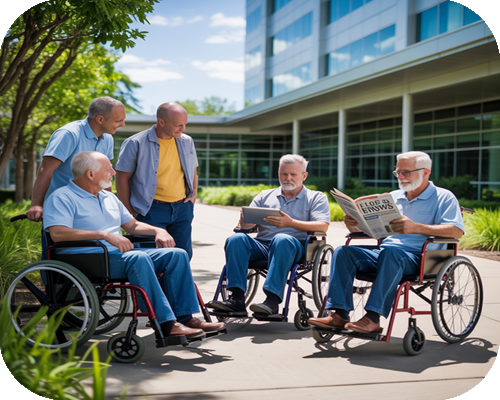
Long after military service ends, the effects on the body remain. For many veterans, physical pain lingers and often worsens. From stiff joints to deep muscle aches, these issues are often mistaken for normal aging—or ignored altogether.
The toll of service doesn’t always show up as dramatic injury. It sneaks in through daily wear. A shoulder that won’t rotate. Hips that stiffen in cold weather. A lower back that sparks pain with the smallest motion. These changes don’t just affect comfort; they quietly reshape daily life, limiting activities, disrupting sleep, and straining relationships.
What makes it all the more frustrating is how easily it’s brushed off. Pain without an obvious injury is often labeled as “just getting older,” which leads many veterans to delay seeking care. The result is a snowball effect: mild discomfort turns to chronic stiffness, which slowly chips away at quality of life.
Why Movement Gets Harder with Time
The average veteran’s body has been pushed harder than most. Years of drills, gear, and impact take their toll. Arthritis becomes common, especially in knees, spine, and hands. Lingering joint instability from old injuries often resurfaces with age.






Neurological shifts also play a role. Vets with Parkinson’s face muscle stiffness, tremors, and coordination struggles. These symptoms can make simple tasks exhausting or dangerous. And while service doesn’t cause Parkinson’s, studies have linked exposures like Agent Orange and burn pits to higher rates of the condition.
This blend of neurological and structural decline makes daily movement a challenge. When exercise becomes painful, many veterans retreat from it—accelerating muscle loss and mobility decline. Over time, these patterns lead to weakness and even more pain, reinforcing a cycle that’s tough to break without support. Staying active becomes a game of strategy, not strength.
The Silent Condition That’s Wrecking Backs and Hips
For those with lower back and hip pain, there’s one condition gaining attention. Sacroiliitis in vets refers to inflammation in the joints connecting the spine and pelvis. These joints bear much of the body’s weight, and when inflamed, they cause deep, radiating pain that’s hard to stretch or manage.
Often misdiagnosed as sciatica or general back strain, sacroiliitis is frequently overlooked. Yet for veterans—especially those exposed to blunt trauma or years of heavy physical stress—this condition is more common than most providers realize.






The good news is that sacroiliitis is treatable. With the right diagnosis, therapy options like joint-specific rehab and targeted injections can significantly reduce pain. Many veterans experience renewed mobility and relief after proper care—sometimes for the first time in years.
And unlike many degenerative issues that require ongoing management, sacroiliitis can often be dramatically improved with short-term intervention. That alone makes it a condition worth bringing to the surface and taking seriously.
When the Body Hurts, the Mind Follows
Chronic pain doesn’t stay in one lane. It affects sleep, mood, and mental clarity. For veterans also carrying PTSD or trauma, physical pain adds another layer to the struggle. It drains energy, shifts priorities, and can pull people into isolation.
There’s also the emotional frustration of no longer being able to do what once felt effortless. Some stop reaching out, not wanting to explain the pain. Others grow discouraged by the medical system or feel brushed off by doctors.
What veterans need is care that looks at the whole picture. Not just medications, but real conversations about pain, movement, and life. Solutions need to be collaborative, not prescriptive. Getting heard is often the first step toward healing.
Finding a Path to Physical Healing
More veterans are now exploring full-body treatment plans—approaches that consider everything from sleep and stress to posture and strength. Physical therapy, especially when tailored to military injuries, is making a difference.


Strength training is one surprising success story. Not high-impact workouts, but slow, focused movements that rebuild stability and reduce pain. Combined with movement retraining and mind-body work, it’s helping veterans regain control over their health.
Some are turning to aquatic therapy, body alignment techniques, and neural retraining to soften pain and rebuild strength. With the right guidance, many veterans are seeing real change—sometimes after years of believing their bodies were too far gone.
The shift isn’t just physical—it’s emotional. Regaining control of the body often reawakens motivation and confidence. When pain stops dominating every thought, it opens space for joy, connection, and even a renewed sense of purpose.
Onward in a New Direction
Pain doesn’t have to be permanent. For veterans, healing is its own kind of mission—one that restores freedom, comfort, and strength. And this time, it’s not about pushing through. It’s about building back better, with care that finally listens.