Your home’s plumbing system plays a vital role in daily life, yet many components remain hidden from view, concealed behind walls, under floors, or in basements. This invisibility allows small problems to simmer, unseen, until they mushroom into major, costly issues. Recognizing early warning signs of hidden plumbing problems can significantly mitigate time, money, and stress spent on repairs.
By being proactive, you can safeguard your home from water damage, mold growth, and other complications. Staying vigilant and informed is key to preventing minor issues from escalating into plumbing emergencies.
Why Hidden Plumbing Issues Are Dangerous
Plumbing problems often start small—maybe a slow leak, a slight drain blockage, or an unusual sound. However, if left unchecked, these minor issues can turn into big problems like water damage, mold growth, or a complete breakdown of your plumbing system. That’s why it’s important to know the warning signs of hidden plumbing issues.
These issues can often be hard to detect because most plumbing pipes are out of sight. But with the right knowledge, you can stay alert to early warning signals that something isn’t right, allowing you to address the problem before it worsens.
While it’s great to spot hidden plumbing issues yourself, some problems need expert help. If you’re unsure or the problem seems big, contact professional plumbing services in Jacksonville, Florida like licketysplitfl.com which can help diagnose and fix tricky plumbing problems before they get out of hand. They can help you identify and fix hidden problems before they escalate.






What Are the Most Common Hidden Plumbing Issues in Your Home?
Hidden plumbing issues can cause major problems in your home if left unchecked. Regularly inspecting your plumbing system helps catch these issues early. Here are some common signs to look for:
Check for Unexplained Water Stains or Damage
Water stains on walls, ceilings, or floors are often the first sign of a hidden plumbing issue. They occur when water from a leak seeps through walls or ceilings, causing visible damage. Common causes of water stains include:
- Leaks near bathrooms, kitchens, or laundry areas
- Damaged or corroded pipes
- Faulty connections or fittings
- High water pressure
If you notice water stains, it’s essential to address the issue promptly. Ignoring them can lead to mold growth, structural issues, and costly repairs. Check the stain’s location, turn off the water supply to the affected area, and investigate further to prevent further damage.
Listen for Unusual Sounds
Unusual sounds from your pipes or fixtures can signal hidden plumbing issues. Listen for banging or clanging pipes (water hammer), gurgling or bubbling sounds (clogs or venting issues), and whistling or high-pitched noises (worn-out components or water pressure problems).
If you hear any of these sounds, address them promptly to prevent costly repairs, water damage, and other complications – consider consulting a professional plumber to identify and fix the underlying issue.






Monitor Your Water Bill for Sudden Increases
An unexpected increase in your water bill may signal a hidden plumbing problem. If usage remains unchanged, consider investigating the following potential causes. Here are the common indicators of hidden leaks:
- Dripping faucets
- Running toilets
- Outdoor hose connections
- Unexplained water meter activity
- Signs of water damage or mineral deposits
Immediate action can prevent water waste, high bills, and home damage, saving you money and protecting your property.
Pay Attention to Water Pressure Changes
Low water pressure can be more than just an inconvenience – it may indicate a larger plumbing issue. A sudden pressure drop could be caused by hidden leaks, blockages, or corroded pipes. Common culprits include clogs, leaky pipes, and corrosion, which restrict water flow and reduce pressure.
If you notice low pressure in multiple areas of your home, investigate further to prevent bigger problems. Ignoring this issue can lead to costly repairs, water damage, and other complications.
Smell for Unpleasant Odors
Foul smells from your drains can indicate plumbing problems. Common culprits include blockages, sewer line issues, or dry P-traps, which can produce distinctive odors. Sewage smells suggest sewer line or vent problems, requiring immediate professional attention.
Rotten egg smells often indicate bacteria buildup in water heaters or plumbing, while musty odors can signal mold growth from hidden leaks or water damage. Don’t delay addressing unusual smells, as they can lead to health issues and costly repairs.
Look for Mold or Mildew Growth
Mold or mildew in your home can signal hidden plumbing issues. Since mold thrives in moist environments, its presence in unexpected areas may indicate a hidden leak. Look for visible green, black, or white patches on walls, ceilings, or floors, or notice musty odors. Dampness or humidity in normally dry areas is also a red flag.
If you spot mold or mildew, promptly identify and fix the moisture source to prevent further damage and potential health risks, as mold can harm both your home and well-being.


How Can Regular Checks Help You Catch Hidden Plumbing Issues?
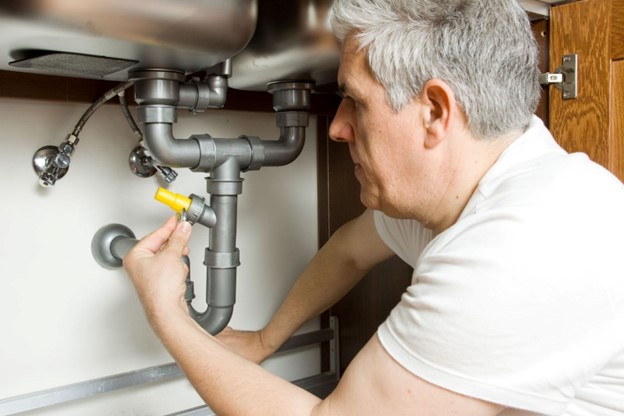
The best way to catch hidden plumbing issues is to do regular checks. Set a reminder to inspect your plumbing every few months. This way, you can catch small problems before they turn into big headaches.
Even if you’re great at spotting hidden plumbing issues, it’s smart to be prepared:
- Know where your main water shut-off valve is
- Keep basic tools like a plunger and pipe wrench handy
- Save the number of a trusted plumber in your contacts
Being prepared can save you time, money, and stress if a plumbing problem does pop up.
Conclusion
Spotting hidden plumbing issues isn’t always easy, but with these tips, you’re well on your way to becoming a plumbing detective! Remember, the key is to stay alert and act quickly when you notice something off. By catching small problems early, you can save yourself from big headaches.