


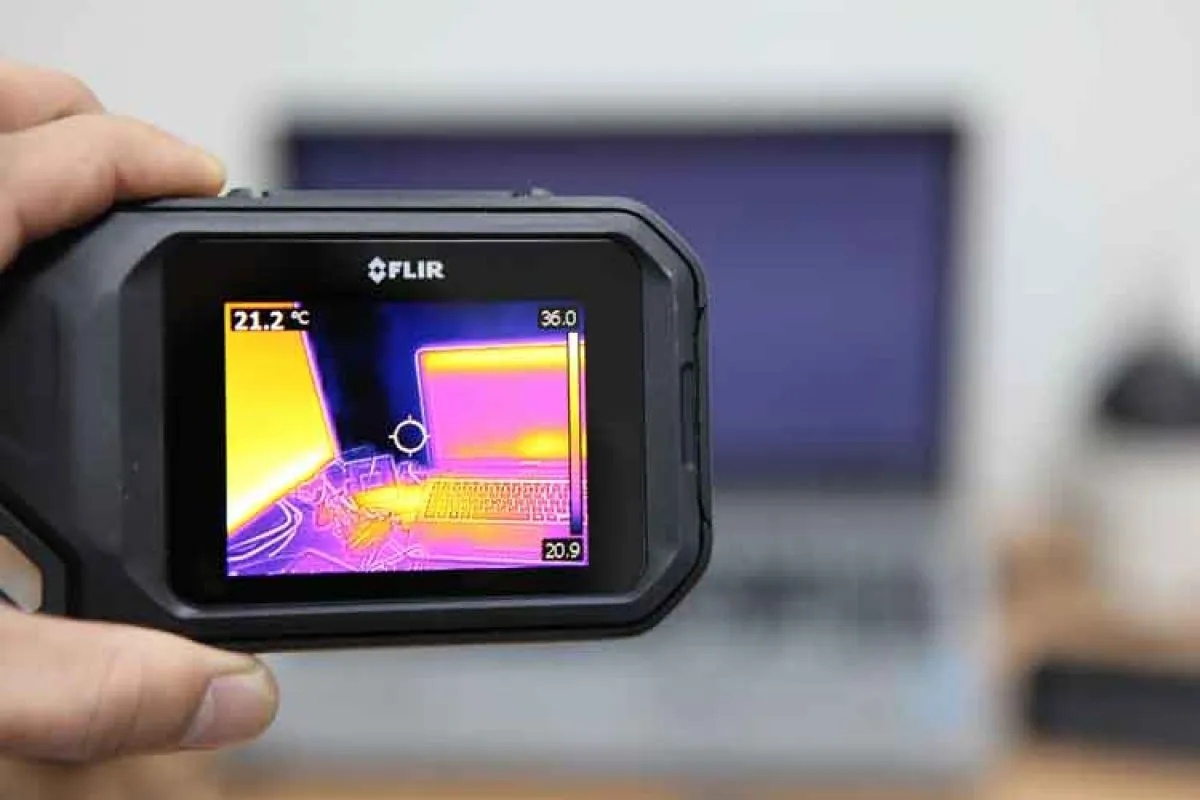
Thermal imaging has become a revolutionary tool in law enforcement, enhancing the way officers operate in the field. By detecting infrared radiation emitted by objects and living beings, thermal imaging devices create detailed visuals based on temperature differences, making it possible to see clearly even in total darkness. This technology has drastically improved the efficiency and safety of various law enforcement activities, from search and rescue missions to surveillance operations. Its impact extends beyond mere visibility, offering tactical advantages that were previously unimaginable.
One of the most significant benefits of thermal imaging in law enforcement is its ability to assist officers during nighttime operations. Traditional night vision devices rely on amplifying existing light sources, which makes them less effective in environments with minimal light. In contrast, thermal imaging does not depend on visible light, as it captures the heat signatures of people, animals, and objects. This capability allows law enforcement agencies to track suspects, locate missing persons, and conduct covert surveillance even in pitch-black conditions. Furthermore, advancements in night vision binoculars military grade have enabled officers to identify individuals or objects from greater distances with remarkable clarity.
Thermal imaging technology is particularly useful in search and rescue missions. When officers are dispatched to find missing persons in remote or heavily wooded areas, the terrain can hinder their efforts. Visual identification becomes challenging, especially during the night or in adverse weather conditions like fog, smoke, or heavy rain. Thermal imaging devices, however, can see through such obstructions and highlight the heat signatures of living beings, thereby expediting the search process. This has been crucial in saving countless lives, as every minute counts in emergency situations.
Another area where thermal imaging has shown its value is in tactical operations. During high-risk scenarios, such as hostage rescues or apprehending armed suspects, officers must approach the situation with utmost caution. Thermal imaging allows them to identify threats behind barriers like walls, doors, or dense foliage, giving them a clearer picture of the environment. This real-time information can help law enforcement personnel plan their movements, minimising the risk of ambushes and enhancing overall safety. Coupled with night vision binoculars military grade, thermal imaging enables officers to monitor activities from a safe distance, reducing the likelihood of direct confrontation until the ideal moment arises.
In addition to operational benefits, thermal imaging has also improved officer safety. When responding to potentially dangerous situations, such as burglary calls or active shooter scenarios, officers need to assess their surroundings quickly and accurately. Traditional methods, like using flashlights, can give away their position and make them vulnerable to attacks. Thermal imaging, on the other hand, allows them to scan the environment discreetly.


As technology continues to evolve, so will the capabilities of thermal imaging in law enforcement. Future developments may include enhanced image resolution, better portability, and the integration of augmented reality to provide officers with contextual information overlaid on their thermal displays. These innovations will further solidify thermal imaging as an indispensable tool in modern policing, enabling law enforcement agencies to carry out their duties more effectively and safely.
In conclusion, thermal imaging has transformed law enforcement by providing unprecedented visibility in low-light and obscured environments. From tracking suspects to ensuring officer safety, its applications are vast and varied. As it becomes more accessible and integrated with other technologies, the impact of thermal imaging will only continue to grow, shaping the future of policing in profound ways. The combination of thermal imaging and night vision binoculars military grade offers law enforcement professionals the tools they need to navigate complex and high-risk scenarios with confidence, making communities safer and enhancing the effectiveness of law enforcement operations worldwide.