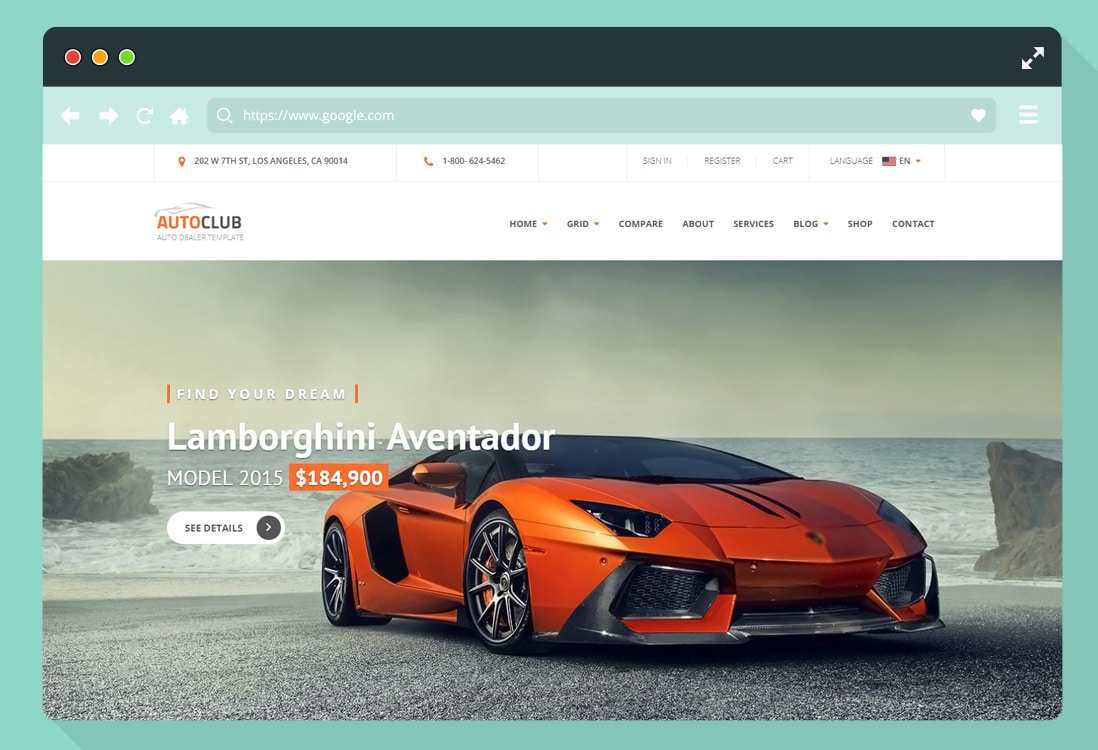
The car business has been undergoing the most radical of changes, and along with those changes, the nature of digital for car brands has been redesigned. Websites have progressed from basic information sites to very dynamic and interactive showcases that personify the innovation of the vehicles being sold through those brands. As we drive into 2024, both automakers and dealerships need to meet the need to provide immersive, user-friendly, and innovative website experiences. These have become the most important locations in influencing buyer decisions and enhancing brand loyalty. This blog will explain the most modern trends in automotive website design that are already part of the current digital landscape.
What are Automotive Websites?
The automotive dealer website is a full-featured internet platform for auto companies, manufacturers, merchants, and dealerships. They can be considered online showrooms that let customers view cars, accessories, and parts, book test drives, and make online purchases. Several sections of the websites are useful for customers, such as industry news and advice on car maintenance, to keep people coming back and build brand loyalty. Through their digital marketing efforts, they firmly establish themselves as a trustworthy brand in the car industry, increasing brand awareness and site traffic and generating leads.
Key Trends of Automotive Website Design
Immersive User Experiences
Modern consumers desire more from an automotive website than simple product information. They are seeking an immersive experience brought to life by car-buying journeys. Of the emerging key trends, the inclusion of virtual reality technology and augmented reality technology comes into play. Dealers can give customers virtual car walkarounds to demonstrate detailed views of the vehicle’s interior and exterior from their homes. These experiences get one more attached to the car, and hence, they’re more likely to result in purchases. Personalized customer journeys.
Personalized Customer Journeys
Personalization is no longer a nice thing but a must-have. Automotive websites that support personalization and deliver customized content and recommendations in line with users’ interests and behaviors are likelier to engage and convert visitors. Dealerships using data analytics and customer insights will create personalized customer journeys within their websites to seamlessly guide users through the buying process. This includes displaying only relevant vehicle options, offering customized financing, and sending out targeted marketing messages.
Mobile Optimization is No Longer an Option
Given the growing market share of mobile smartphones and tablets, optimizing automotive websites for mobile is becoming increasingly important. Responsive design allows one to view content on different screen sizes and platforms without disruption. Fast page loading is another important need of mobile users. Optimizing images, minifying code, and using CDNs can improve the website’s performance exponentially.





Dominance of Video Content
Video content is a great way to engage automotive audiences. Quality videos on vehicle features, performance, and lifestyle benefits can make a difference in purchasing decisions. Car walkarounds are one of the most popular formats for video content and give viewers a close look at a vehicle’s interior and exterior. Incorporating video across the site, including product pages, dealership tours, and customer testimonials, can really enhance the user experience and drive conversions.
AI-Powered Chatbots and Virtual Assistants
Artificial intelligence is changing the scenario of customer-business interaction. Nowadays, automotive websites use AI-driven chatbots and virtual assistants to deliver instant support and answer customer queries. Such intelligent systems can easily manage certain mundane tasks, such as making appointments, delivering product information, and even guiding customers through the buying process. To improve customer satisfaction, dealerships can provide round-the-clock support, thereby boosting customer confidence.
Voice Search Optimization
The popularity of voice search is increasing, and the optimization of the automotive website should be, too. This ensures that, by including targeted keywords and phrases within the site content, the dealer’s website will show up more in results from voice searches. This optimizes product descriptions, frequently asked questions pages and other targeted areas.
Sustainability
With growing environmental concerns, people are more interested in greener options. Thus, environmental customers can be reached through automotive websites that focus on green features and technologies. Even incorporating a few sustainable design features within the website itself, like renewable energy and reduced environmental impact- can additionally help the brand’s reputation.
User-Generated Content
UGC can also engender trust and credibility. It allows customers to share their experiences in words, photos, and videos, thus creating community effect and social proof. Customer testimonials and reviews must be clearly visible on a website in order to help customers make a purchase decision.


Enhance Your Automotive Website with Spyne
Spyne is here to get you going for that very reason, and we looked at the top trends in automotive website designing, including not leaving out the immersive experience and high-definition visuals.
Spyne uses AI to transform the way automotive photography and editing are done. Their innovative solution enables you to create professional car visualizations for:
Spyne’s Virtual Studio changes everything. Bring in professional product shots without managing a physical studio. Our AI-powered technology will turn your images into stunning visuals that engage your audience.
Take your virtual studio to the next level with Spyne’s 360 Spin feature. Create a virtual garage for your customers to view your vehicles at the best angle possible. This interactive feature will help them better understand the car’s design and features, which will boost sales.
Conclusion
The automobile industry is getting digitized and seeking radical change in automotive website design. Dealers can create engaging websites that capture eyeballs, foster trust, and garner sales by incorporating the six elements of immersive experiences: personalization, mobile optimization, video content, AI, voice search, sustainability, and user-generated content. Keep a close eye on customers’ needs and preferences, and provide exceptional online experiences that meet these ever-evolving trends of automotive website designs. The ever-advancing technological strides no doubt guarantee a further growing landscape for automotive websites, creating new opportunities to stand out and thrive.