

Airports are the busiest places with a lot of people. With the advancement in technology, airports are also adopting new technology and becoming smart. This advanced technology improves the operational efficiency and overall passenger experience. One of these technologies is the Internet of Things (IoT). IoT connects different devices to the internet and allows them to communicate and share data. This smart technology is bringing a big change and innovation in the aviation sector. Let’s discuss more about the integration of IoT in smart airport architecture!
Concept of Smart Airports and Integration of IoT
A smart airport uses smart technologies to improve its operations, enhance efficiency and productivity, and ensure a better passenger experience. For this, it uses IoT devices that are connected to the internet and ensure a safe data transfer. These devices provide real-time data exchange and automation. With IoT, airports are successfully developing a connected infrastructure with improved workflow. Moreover, IoT devices are used at airports for baggage location, environment monitoring, and equipment status. These devices are also used for smart navigation, decision-making, and energy management. Thus, the concept of smart airports cannot be achieved without IoT.
5 Benefits of Integrating IoT in Smart Airport Architecture
Here are some benefits of IoT in smart airport architecture:
Efficient Monitoring
IoT helps in monitoring different airport operations. Sensors and devices connected to the internet are used for baggage monitoring, aircraft maintenance, environment monitoring, and passenger flow. These devices provide real-time information and help in detecting and solving problems before they arise. For instance, these devices can monitor aircraft components and predict any failure before it happens. Also, in case of any missing bag, IoT devices help the airport staff to find the bag quickly. To learn more about how IoT is improving airport operations, visit this link.
Reduced Operational Costs
Integration of IoT in airport architecture also helps in reducing operational costs. IoT automates different tasks and thus reduces labor needs and errors. In this way, the cost can be greatly reduced, enhancing the overall efficiency. Moreover, IoT devices enable predictive maintenance, which reduces repair costs. For instance, real-time data on flight status for United Airlines can help minimize delays, further cutting expenses.




Better Security and Services
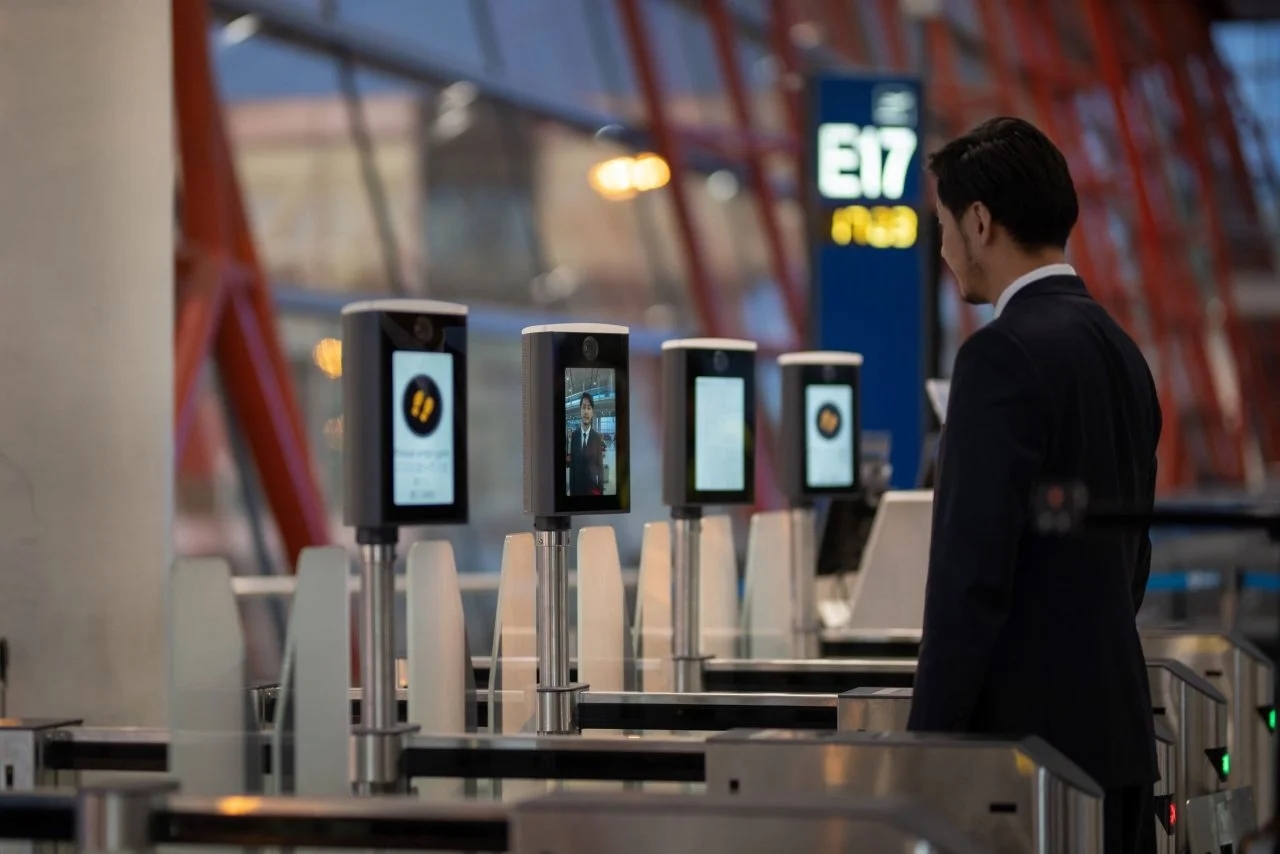
Security is the top priority for airports, and IoT helps in enhancing security and services. Smart cameras can easily recognize suspicious individuals. Moreover, IoT-enabled access control system prevents unauthorized access to the restricted areas of the airport. Smart sensors can detect any unusual activity in the airport and help the security team to take immediate action. Also, these smart devices also improve customer experience by providing better services.