




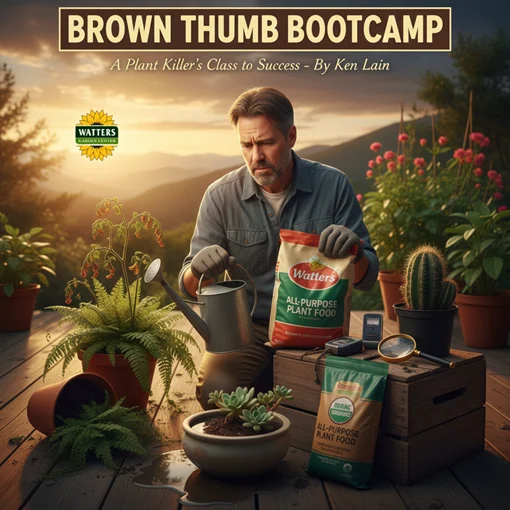
The last whispers of summer are long gone, and the crisp mountain air reminds us that winter is just around the corner. For some of us, this time of year is a season of quiet preparation. For others, it’s a stark reminder of past gardening mishaps, the withered petunias, the mysteriously yellowing tomatoes, or the rose bush that just… never quite thrived.
If you’ve ever declared yourself a ‘brown thumb’ or whispered apologies to a struggling plant, this column is for you. We’re not born with green thumbs; we earn them, often through a series of ‘learning opportunities.’ Today, we’re going to tackle the most common reasons plants fail in our mountain gardens and turn those missteps into future triumphs. Think of this as your ‘Brown Thumb Bootcamp,’ a class to succeed, not just survival.
Bootcamp Rule #1: Water Wisdom – The Number One Killer
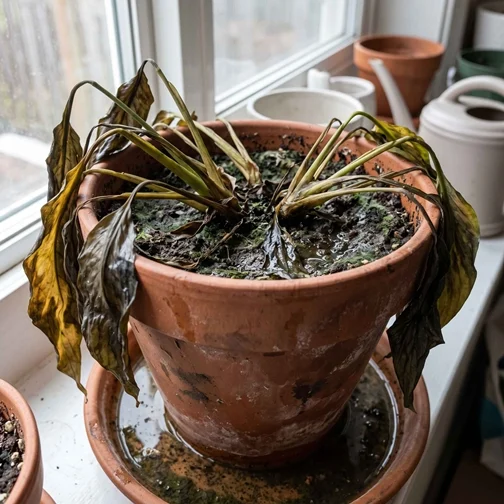
More plants die from improper watering than from any other cause. It’s not just too little; often, it’s too much.
- Underwatering: In our dry mountain climate, this seems obvious. But a plant that looks wilted might not be thirsty. It could be root-bound, or even suffering from…
- Overwatering: the silent assassin. Roots need air as much as water. If the soil is constantly soggy, the roots literally drown and rot. Then, because the rotted roots can’t take up water, the top of the plant wilts, leading you to water it more.
The Solution: Stick your finger into the soil up to your second knuckle. If it feels dry, water. If it feels moist, wait. For containers, lift the pot. If it’s light, water. If it’s heavy, wait. Learn to feel the soil. This tactile connection is your best teacher.





Pro Tip – Moisture Water Meters are a Gardener’s Best Tool
Bootcamp Rule #2: Sun Scrutiny – Right Plant, Right Place
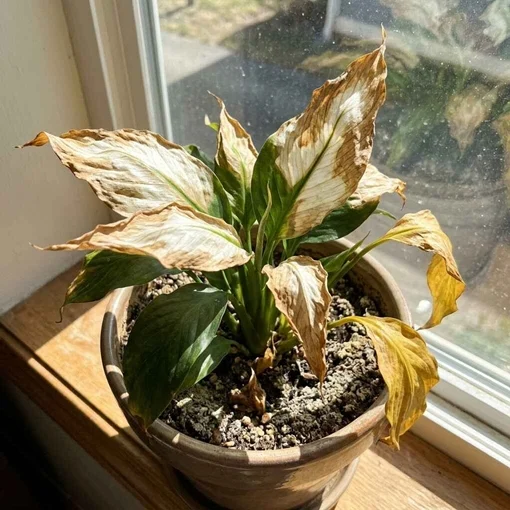
Plants are like people; some love the sun, others prefer a shady spot to sip their tea. Putting a sun-loving plant in shade, or a shade-lover in full blast mountain sun, is a recipe for disaster.
- Too Much Sun: Leaves will burn, scorch, or turn a sickly yellow. Flowers will fade quickly.
- Too Little Sun: Plants will become leggy, stretching desperately for light. They won’t flower well, if at all, and their growth will be weak.
The Solution: Before you buy, know your light. Observe your yard throughout the day. Does a spot get morning sun and afternoon shade (perfect for Hostas and Hydrangeas)? Or does it get scorching, all-day sun (ideal for Junipers and Yuccas)? Read the plant tags! They aren’t just suggestions; they are vital instructions from the plant itself.


Bootcamp Rule #3: Soil Secrets – It’s Not Just Dirt
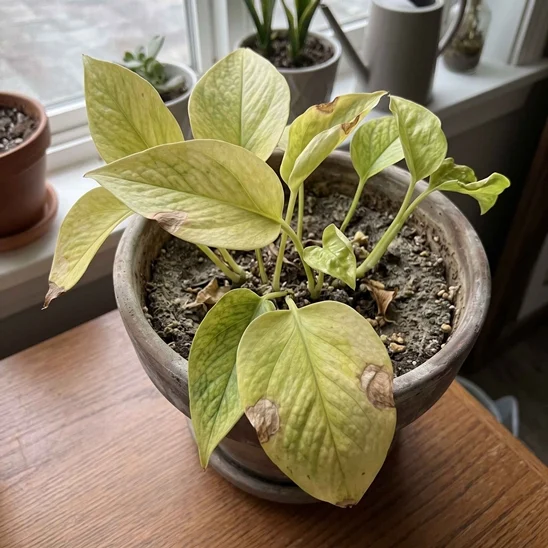
Our native mountain soil is often heavy clay, lacking in organic matter, and can be compacted. This is not ideal for most garden plants.
- Poor Drainage: Clay soil can hold too much water, which can lead back to our overwatering problem.
- Lack of Nutrients: Plants need food to grow, and if the soil is barren, they starve.
- Wrong pH: Some plants like acidic soil (like blueberries), while others prefer alkaline soil (like lavender). Our local soil tends to be more alkaline.
The Solution: Amend, amend, amend! Before planting, work in generous amounts of Watters Premium Mulch or ‘Compost’. For containers, use a high-quality potting soil like Watters Potting Soil, which is specifically designed for good drainage and nutrient retention. For trees and shrubs, our native soil often lacks Iron and Sulfur; add Watters All Purpose Plant Food at planting.
Ken’s Pro Tip – How to Plant in Mountain Soil
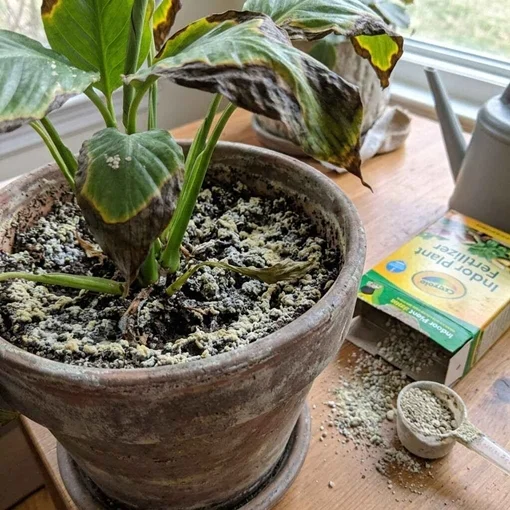
Bootcamp Rule #4: The Fertilizer Fiasco – Feed the Soil, Not Just the Plant
Many new gardeners think more fertilizer equals bigger, healthier plants. But here in the highlands, the type of food you give them is more important than the amount. Synthetic fertilizers might give you a quick ‘green-up,’ but they often contain salts that can build up in our clay soil and burn tender roots. Stay away from synthetic plant foods like Miracle-Gro.
The Solution: Ditch the synthetics and stick to a high-quality organic diet. I recommend using Watters 7-4-4 All Purpose Food every quarter—think of it as feeding your garden at the start of every season (Spring, Summer, Fall, and Winter). Because it’s organic and slow-release, it breaks down naturally, improving your soil texture while providing a steady, gentle stream of nutrients. It’s nearly impossible to “overfeed” with this, making it the perfect choice for anyone moving from a brown thumb to a green one.
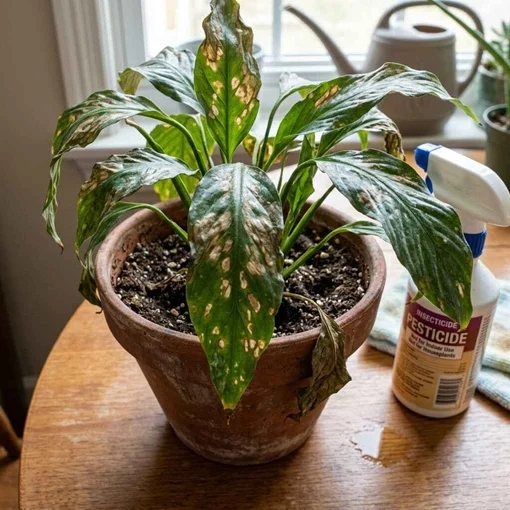
Bootcamp Rule #5: Pest Panic – Identify Before You Spray
Seeing bugs on your plant can send anyone into a frenzy, leading them to grab the first spray bottle they see. But not all bugs are bad, and the wrong pesticide can do more harm than good.


The Solution: Learn to identify your foes. Are they tiny green aphids (easy to wash off with soapy water)? Or beneficial ladybugs (your allies!)? Take a photo, bring a sample to the garden center. Once you know what you’re dealing with, you can choose the right, often organic, solution.
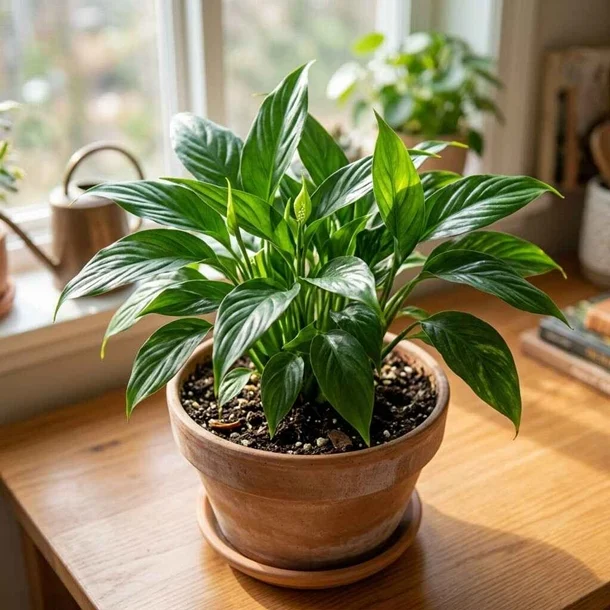
Your Green Thumb Awaits
Gardening is a journey, not a destination. Every plant that struggles is a lesson, not a failure. By understanding these fundamental principles, water, sun, soil, food, and pests, you’re not just learning to keep plants alive; you’re learning to help them thrive.
Stop by the garden center this week. Let’s talk about your past ‘learning opportunities,’ and I’ll help you pick out a plant that’s practically guaranteed to make you feel like a gardening guru.

Join Me at the Garden Center!
Learning the ropes takes time, but you don’t have to do it alone. We host free garden classes every Saturday at 9:30 a.m. at Watters Garden Center.
1. October 24: Seasoned 7 for Autumn Color Plants
2. October 31: Brown Thumb Bootcamp – A Plant Killers Class to Success
Until next week, I’ll be helping new local gardeners here at Watters Garden Center.
Ken Lain can be found throughout the week at Watters Garden Center, 1815 Iron Springs Rd in Prescott, or contacted through his website at WattersGardenCenter.com or Top10Plants.com



Ken Lain | Watters Garden Center
Recent Articles
November Voter Publicity Pamphlet has Error in it
CAFMA and Prescott Fire Department Invite Community to Help Shape Wildfire Protection Plan
City of Prescott Invites Community Members to Learn More About Long-Term Water Management Plan
October Gardening Classes Every Saturday at Watters Garden Center