

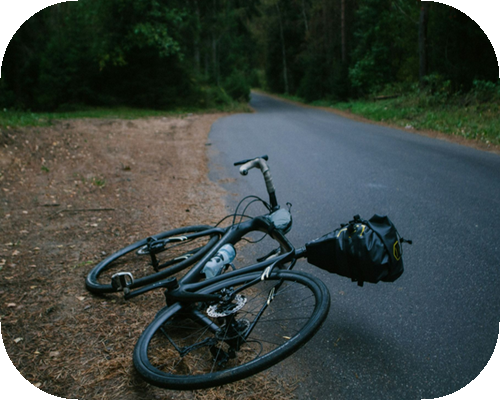
Photo by Dmitrii Vaccinium on Unsplash
A cyclist rolls through a stop sign on a quiet Prescott street. A driver coming the other direction is speeding and fails to yield while making a left turn. They collide. The cyclist breaks a collarbone and suffers road rash across both arms. The driver’s insurance company says the cyclist was partly at fault.
Does that mean the cyclist gets nothing?
In Arizona, no. But how much fault is assigned to each side changes what your claim is worth.
In Most States, Partial Fault Means Zero. Arizona Is Different.






Under A.R.S. § 12-2505, you can recover compensation even if you were partly or mostly at fault for the crash. Your payout is reduced by your fault percentage, but it’s not eliminated.
In states like Texas or Georgia, if you’re 50% or 51% at fault, you recover nothing. Arizona has no cutoff. Even at 90% fault, you still recover 10% of your total damages.
The fault percentage is assigned by a jury at trial or, more commonly, by the insurance adjuster during negotiations. The adjuster’s number and a jury’s number don’t always match. Accepting the adjuster’s figure without questioning it can cost you thousands.
What Fault Percentage Does to Your Settlement
Arizona law takes your gross damages (the total value before any fault reduction) and reduces them by your share of responsibility.






Here’s what that looks like for a moderate-severity bicycle accident claim:
| Your fault | Gross damages | What you recover |
| 0% | $45,000 | $45,000 |
| 15% | $45,000 | $38,250 |
| 30% | $45,000 | $31,500 |
| 50% | $45,000 | $22,500 |
Gross damages include your medical expenses, lost wages, future medical care, and property damage to your bicycle and gear. They also include pain and suffering, emotional distress, scarring, and any permanent impairment from your injuries.
What do those numbers look like in real cases? According to BALG settlement data compiled from Arizona bicycle accident claims, minor injuries like road rash and sprains typically resolve between $5,000 and $25,000. Moderate claims involving fractures, herniated discs, or surgeries fall in the $25,000 to $100,000 range. Severe injuries, including traumatic brain injury or spinal damage, reach $100,000 or more. These are gross figures. A 30% fault finding on a $45,000 claim cuts your recovery to $31,500.
When You’re Considered Partly at Fault
Under A.R.S. § 28-812, you have the same rights and duties as motorists on Arizona roads. Same traffic rules. Stop at red lights. Ride with traffic. Signal turns. Use proper lighting at night per A.R.S. § 28-817.
When you violate any of these duties and a crash occurs, the insurer will argue your negligence contributed to the collision.
Intersection collisions. You enter an intersection against a red light or roll a stop sign. Even if the driver was speeding or failed to keep a lookout, your violation factors into fault allocation.
Right-hook and left-turn crashes. A driver turns across your path. Liability falls heavily on the driver for failure to yield, but if you were riding outside the bike lane, against traffic, or at an unsafe speed, the insurer assigns shared responsibility.


Dooring accidents. A parked vehicle’s door opens into your path. The person who opened the door is liable, but the adjuster may argue you failed to exercise reasonable care by riding too close to parked cars.
Night riding without lights. Arizona law requires a front white light and rear red reflector after dark. Riding without them gives insurers a strong contributory negligence defense, especially in rear-end collisions where visibility is the central issue.
Helmet evidence. Arizona has no adult bicycle helmet law, so helmet use should not affect your fault percentage. Some insurers still argue that no helmet worsened head injuries in traumatic brain injury cases. That’s a damages mitigation argument, not fault, but it can still reduce what you recover.
How Insurers Inflate Your Fault and How to Fight Back
The adjuster’s fault number isn’t neutral. It’s a negotiating position designed to lower your payout.
Adjusters evaluate liability using the police report, witness statements, video evidence, and physical evidence from the scene. Their determination is not binding. It is one side’s opinion.
In practice, adjusters frequently overstate your responsibility. You might be 10% to 15% at fault. The offer reflects 35% or 40%. The adjuster relies on the fact that most claimants don’t have comparable settlement data and can’t tell if the number is fair or inflated.
The counter is documentation. Every piece of evidence you preserve strengthens your position.
Get the police report. It documents the officer’s observations, any citations, and an initial fault assessment.
Photograph the scene. Vehicle positions, road conditions, traffic signals, your injuries, damage to your bicycle.
Get witness contact information. Eyewitness accounts resolve liability disputes faster than anything else.
Don’t discuss fault. Not at the scene. Not with the adjuster. Anything you say can increase your assigned percentage.
Get medical treatment immediately and don’t skip appointments. Gaps in treatment give insurers an argument that your injuries weren’t serious. Consistent records connecting your injuries to the crash are essential for proving damages and reaching maximum medical improvement, the point where your doctor evaluates permanent impairment.
Know the deadline. Arizona’s statute of limitations is two years from the date of the crash under A.R.S. § 12-542.
A demand letter backed by clear liability evidence, itemized damages, medical records, and comparable case data forces the insurer to justify its fault allocation. In an Arizona bicycle accident claim, that evidence becomes especially important when the insurer uses comparative fault to reduce what your case is worth.
When the percentage assigned to the cyclist does not match the crash facts, BicycleAccident Lawyers.Com (BALG), an experienced law firm for bicycle injury claims, can help evaluate liability, damages, and the fault arguments that affect recovery after a bicycle crash in Arizona.
Bicycle accident claims are not the same as car accident claims. Cyclist rights under A.R.S. § 28-812, helmet mitigation arguments, bike lane positioning, dooring liability. These fault dynamics don’t exist in a typical motor vehicle case.
Arizona bicycle accident law treats cyclists as equal road users, but the way insurers apply comparative fault to riders is different from how they apply it to drivers. That distinction matters when your fault percentage is the difference between a full recovery and a fraction of one.
The Bottom Line
Arizona’s pure comparative negligence system protects injured cyclists in ways most states don’t. Being partly at fault does not eliminate your right to compensation. It reduces it by your share of responsibility. The rest is still yours.
The difference between a fair outcome and a lowball comes down to two things: knowing what your claim is worth before the fault reduction, and making sure the percentage assigned to you reflects the evidence, not the insurer’s negotiating strategy.