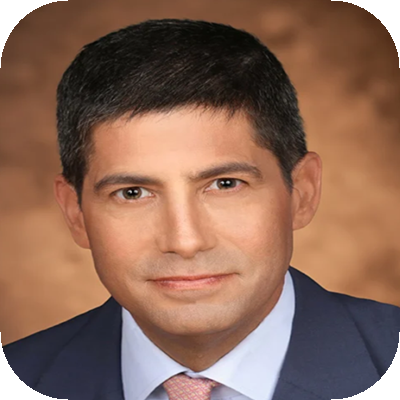
High inflation is making all goods and services less affordable. The Federal Reserve is at the epicenter of this problem, since its job is to set interest rates and help stabilize the economy, and hope to get it just right. It is at this fraught moment that the Senate is poised to consider a nominee to take over the helm of the Federal Reserve: Kevin Warsh.
How will Warsh navigate these tradeoffs as Fed chair? More fundamentally, how much of that constraint is built into the Fed’s dual mandate of price stability and maximum employment? Alternatively, would a single mandate focused on price stability make monetary policy more effective? With inflation still too high and the cost of living weighing on households, Warsh will have some tough decisions to make.
Interest rates are the Fed’s most prominent tool for influencing inflation. When the Fed raises interest rates, it adjusts a specific short-term rate called the federal funds rate, which influences how much banks charge each other for overnight lending. That rate acts like an anchor for the rest of the financial system. Once it moves, banks, lenders, and credit markets adjust their own rates in response.
The Fed does not set prices for groceries, mortgage payments, or healthcare. But its policies significantly shape whether a household is getting ahead or falling behind. For many Americans, that reality is felt in how far a paycheck stretches and how manageable paying the bills is each month.
Interest rate policy is fundamentally about tradeoffs. Raising rates trades higher borrowing costs and slower spending for lower inflation and stronger incentives to save. Lowering rates trades cheaper credit and stronger spending for weaker saving incentives and a higher risk of rising inflation.






If interest rates are set too high for too long, the economy can cool. If they are set too low, they can overheat the economy, and inflation can accelerate. Either way, interest rate policy affects how much financial breathing room people have each month.
Those tradeoffs have become more difficult because, in addition to too-high inflation, the labor market has shown signs of cooling, with slower hiring and lackluster job growth. While inflation is lower than during the 2022-23 spike, it has remained above the Fed’s two percent inflation target for about five years.
That tension existed before the war in the Middle East. But with geopolitical instability and global energy price shocks, the Fed’s decisions under a dual mandate are decidedly trickier.
Theoretically, Congress could resolve that problem by adopting a single mandate for the Fed focused on price stability—just as so many other central banks in the developed world do. Monetary policy would be more predictable and better anchored to preserving the dollar’s purchasing power. But Congress doesn’t seem likely to take up that sensible reform anytime soon.
So, what can Congress readily do?





As Kevin Warsh appears before the Senate, lawmakers should seek answers about how he would help improve affordability. Will he keep interest rates higher for longer to bring inflation under control, or will he lower rates in an effort to support the labor market?
The Senate ought to get Warsh’s views on the role of the Federal Reserve and what he aims to accomplish before confirming him to a post with so much power over our economic well-being.