

Global logistics has permanently transformed. Customer expectations for speed, transparency and delivery reliability have reached unprecedented heights. A seamless fulfillment experience is now just as important as the product itself.
For large enterprises managing thousands of daily shipments across fragmented regions, the final phase of the supply chain is the ultimate proving ground. This is where brand loyalty is either firmly established or irreversibly broken.
As networks grow more intricate, operations leaders must regain control over outsourced fleets and reduce escalating costs. If you are asking what is last mile tracking and how it solves these operational blind spots, let’s explore its strategic value.
What is Last Mile Tracking?
At its most fundamental level, this technology provides real-time visibility into the final leg of the delivery lifecycle. This is the journey from the local distribution center, retail store or dark store directly to the end consumer’s doorstep.


While everyday consumers see a branded tracking link via text or email, logistics enterprises utilize this as a complex operational control tower through the following core functions:
- Synchronized Data Architecture
It captures live GPS pings from driver mobile devices, status updates from barcode scans and electronic proof-of-delivery data in a single stream.
- Integrated Digital Connectivity
The technology serves as the primary connective tissue linking dispatchers, drivers on the road and the anxious buyer waiting at home.
- Strategic Enterprise Insights
By truly understanding what is last mile tracking in an enterprise context, leaders can stop viewing it as a simple customer service widget.
- Operational Efficiency Engine
It serves as a foundational data engine that drives significant efficiency gains by identifying bottlenecks and optimizing fleet performance in real time.



- Verified Chain of Custody
The system ensures every handoff is documented, providing a secure and transparent record of the package from the hub to the porch.
Why Traditional Visibility Fails in Modern Fulfillment Networks
The final stage of fulfillment is naturally the most volatile and resource-intensive segment of the entire supply chain. While linehaul freight moves efficiently in bulk on predictable interstate highways, local delivery requires navigating chaotic urban environments and complex suburban routing.
Without proper visibility software, dispatch operations run blindly, leading to the following operational hurdles:
- Extreme Urban Complexity
Drivers must navigate dense traffic patterns, unexpected road closures and difficult building access protocols that vary by neighborhood.
- Environmental Volatility
Sudden weather shifts and shifting local traffic congestion can instantly derail even the most carefully planned delivery schedules.
- Eroding Route Density
The massive increase in single-item e-commerce deliveries across vast residential areas makes maintaining a profitable stop-count per hour incredibly difficult.
- The Service Failure Cascade
A single delayed truck often triggers a chain reaction of missed delivery windows, resulting in overwhelmed call centers and frustrated customers.


- Escalating Reattempt Costs
When visibility fails, the likelihood of missed handoffs increases, forcing expensive subsequent delivery attempts that drain total shipment profitability.
Ultimately, traditional methods cannot keep pace with these dynamic variables. To solve these deep-seated inefficiencies, enterprises are moving beyond status updates to define exactly what is last mile tracking through real-time and automated operational intervention.
Core Reasons Enterprises Invest in Advanced Last Mile Tracking
Large-scale fulfillment networks cannot rely on manual phone calls or delayed spreadsheet updates to manage thousands of moving vehicles. Here are five core reasons why global enterprises invest heavily in advanced last mile tracking infrastructure.
- Protecting Unit Economics and Profit Margins
Failed deliveries aggressively destroy profit margins. When a driver cannot find an address or a customer is unavailable to sign for a package, the inventory returns to the local hub. This creates a highly expensive reattempt loop that doubles the labor and fuel cost of that specific order.
Enterprise last mile tracking solutions mitigate this by providing customers with precise, continuously updated ETAs. When buyers know exactly when their order will arrive, first attempt delivery success rates increase dramatically.
- Delivering a Premium Customer Experience
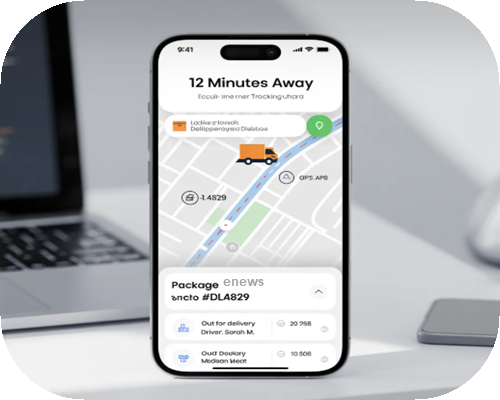
Modern consumers demand absolute transparency regarding their purchases. Providing a generic tracking number that only updates once a day is no longer acceptable. Enterprises invest in branded, live tracking portals that display real-time driver locations on a map.
This proactive communication eliminates customer anxiety and builds incredible trust. Consequently, it significantly lowers “Where is My Order?” (WISMO) support call volumes, drastically reducing the operational burden on customer care teams.
- Enabling Proactive Exception Management
Logistics is unpredictable, and things will inevitably go wrong on the road. A vehicle might break down, traffic might stall or a delivery location might be completely inaccessible.
Advanced last mile tracking platforms instantly flag these exceptions as they occur. Instead of discovering a failure hours after the shift ends, dispatch teams receive real-time automated alerts. This allows them to reroute a different driver or contact the customer immediately to manage expectations.
- Enforcing Carrier Accountability and SLA Compliance
Large enterprises rarely own their entire delivery fleet. They usually rely on a complex mix of third-party logistics providers, regional couriers and crowdsourced gig workers. Managing multiple distinct carriers creates severe visibility blind spots.
By implementing a unified last mile tracking software layer, enterprises can monitor all external partners through a single, objective dashboard. If a specific carrier consistently misses delivery windows in a particular region, the enterprise possesses the undeniable data required to hold them accountable.
- Gathering Clean Data for Continuous Route Optimization
Historical last mile tracking data is incredibly valuable for future network planning. By capturing exact arrival times, realistic dwell times at specific addresses and accurate transit durations, AI models can learn the true cost of serving specific territories.
This clean data feeds back into the enterprise routing engine. Over time, the company builds far more accurate routes, sets better service time assumptions and maximizes fleet capacity.
Transforming Last Mile Visibility Into a Competitive Enterprise Advantage
The demands placed on enterprise fulfillment networks will only intensify as consumer expectations continue to accelerate. Fast, reliable and transparent delivery is now a core requirement for remaining competitive in virtually any industry.
Enterprises invest heavily in last mile tracking technology to protect brand reputation and stabilize operating costs. By mastering the final leg of fulfillment with technology partners such as FarEye, logistics leaders establish visibility as the absolute foundation of their operational control.
Such a partnership allows supply chain executives to eliminate expensive blind spots and improve daily efficiency across fragmented global markets. Organizations can scale complex delivery networks confidently, knowing they possess the specialized tools needed to deliver on every customer promise and build lasting brand loyalty.