There is a unique kind of magic that happens around the dinner table when the salad is picked only twenty minutes prior. When you grow your own food, you aren’t just saving a trip to the grocery store; you are providing your family with flavor and nutrition that simply cannot be bought. April is the sweet spot in the gardening calendar. The soil is waking up, the days are stretching longer, and it is time to get serious about your edible landscape.
Start with the Soil: The Foundation of Flavor
Before we ever tuck a seedling into the ground, we have to talk about the “kitchen” for your plants, the soil. In our neck of the woods, the native soil can be a bit lean. To grow vegetables that are heavy with juice and vitamins, you must amend. I always recommend a 50/50 blend of your native soil and Watters Premium Mulch or planting directly in Watters Perfect Potting Soil.
Because vegetables are “heavy feeders.” They need a buffet of nutrients readily available. Adding a healthy dose of 6-4-4-7 Fruit & Vegetable Food at planting time ensures your peppers and squash have the nitrogen they need for green growth and the calcium required for heavy fruiting.
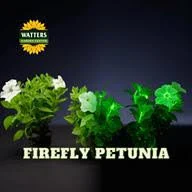
The Most Unique Plant of the Decade: Meet the Firefly Petunia Online Exclusive Only – Very Limited Stock Available






You will love the Firefly Petunia because it transforms your twilight garden into a living sanctuary of light. This isn’t a gimmick; it’s a horticultural marvel that integrates bioluminescence directly into its DNA, allowing the snowy white blooms to emit a soft, lime-green glow as dusk falls.
This unique plant is available in limited quantities and is sure to sell out quickly. Available Online Only – Order Now!
Cool-Season Champions
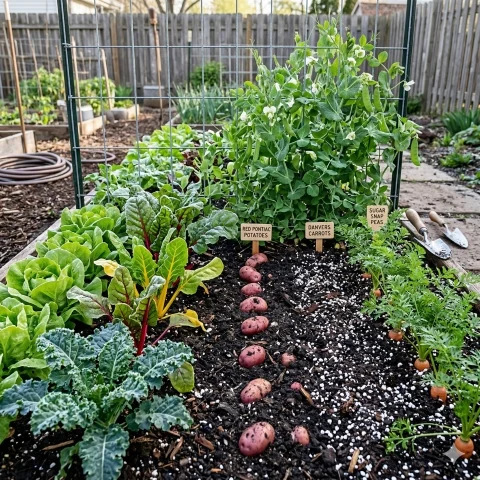
Right now, while the morning air is still crisp, it is the perfect time for your leafy greens and root crops. These plants actually prefer the cooler temperatures of April.
- Leafy Greens: Plant Buttercrunch lettuce, Swiss Chard, and Kale They can handle a light frost and actually taste sweeter when grown in cooler temperatures.
- Root Crops: Get your Red Pontiac potatoes and Danvers Half Long carrots in the ground. Carrots love loose, sandy soil, so if your garden is heavy in clay, add extra perlite to help those roots grow straight and deep.
- The Humble Pea: Sugar Snap Peas are a family favorite. They are easy for kids to pick and eat right off the vine. Be sure to provide a trellis or a simple wire fence for them to climb.
Garden Tip: Vegetable Planting Calendar for Local Gardens






The Essential Herb Garden
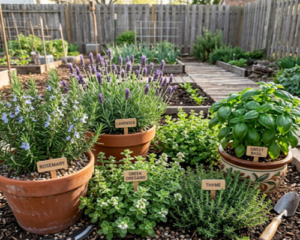
If you are limited on space, start with herbs. You can grow a surprising amount of food in a few ceramic pots on the patio. Herbs are the “secret sauce” of the garden; they provide massive flavor for minimal effort.
Rosemary and Lavender are Mediterranean staples that thrive in our dry air. They are perennial, meaning they come back year after year, and they are remarkably drought-tolerant once established. For the kitchen, Sweet Basil is a must, but wait until nights are consistently above 50 degrees before putting it outside. Basil is a true sun-worshipper and hates the cold. Greek Oregano and Thyme make excellent groundcovers that you can also harvest for your Sunday pasta sauce.

Warm-Season Strategy
While we are planting our cool-season crops, we are also planning for the “Big Three”: Tomatoes, Peppers, and Squash. Each is planted in the first week of May, after the risk of frost has passed. You can start earlier with protection from a greenhouse or garden Plant Protectors. These three do not like the cold.
For the most abundant harvest, look for “determinate” varieties of tomatoes if you have a small space, or “indeterminate” varieties like Celebrity or Early Girl if you want fruit all season long. The trick to a great tomato in our climate is consistent moisture. If the soil goes from bone-dry to soaking wet, the fruit will crack. A thick layer of Premium Mulch around the base of the plants acts like a mountain blanket, keeping the roots cool and the moisture steady.
Why We Garden
I often tell folks at the garden center that gardening is the slowest of the performing arts. It teaches us patience and rewards us with self-reliance. When you teach a child to plant a seed, watch it sprout, and eventually harvest a cucumber, you are teaching them where life comes from.
As you head out into the garden this week, take a moment to breathe in the scent of the damp earth. Check your irrigation lines for leaks, sharpen your trowel, and get your hands in the dirt. Your future self and your family’s dinner table will thank you come July.



Free Gardening Classes Every Saturday @ 9:30 am
Join us for these upcoming topics:
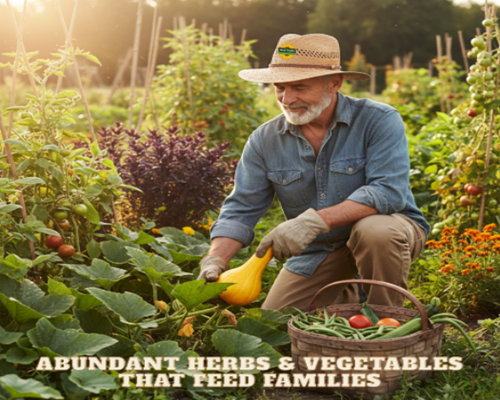
- April 11: Guide to Abundant Herbs & Vegetables that Feed Families
- April 18: Top 10 Flowers that Attract Pollinators
Until next week, I’ll be helping gardeners plant perfect Vegetables here at Watters Garden Center.
Ken Lain can be found throughout the week at Watters Garden Center, 1815 Iron Springs Rd in Prescott, or contacted through his website at WattersGardenCenter.com or Top10Herbs.com.