



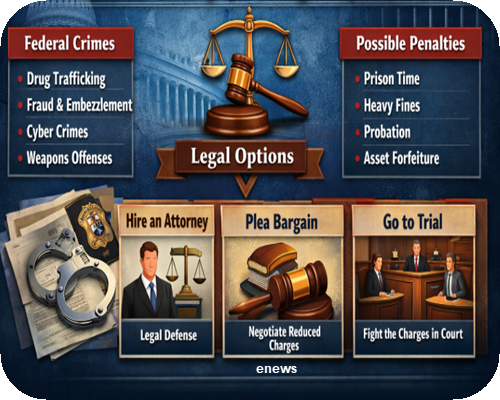
You can feel relentless at times when Phoenix is moving fast, unforgiving, and full of moments, as usual, that demand strength when you least expect it. Facing federal criminal charges here can be an overwhelming experience, where uncertainty about the future meets the seriousness of a system that operates on an entirely different scale. These cases are not just about accusations; they involve complex procedures, higher stakes, and decisions that can shape a person’s life.
In such moments, understanding what federal charges mean and what options exist becomes essential for regaining a sense of control. Clarity replaces fear when individuals begin to see the path ahead, even if it feels difficult. With the right guidance, what seems overwhelming can become more navigable. Support from the Suzuki Law Offices federal criminal defense team can provide that direction, helping individuals face the situation with steadiness, awareness, and a stronger chance at protecting their future.
What Are Federal Criminal Charges
Federal criminal charges are filed against an individual for breaking laws passed by the national government. These laws differ from the rules that individual states create. Offenses include fraud, drug trafficking, or any crimes that cross the state line. Federal agencies, such as the Federal Bureau of Investigation or the Drug Enforcement Administration, often investigate these offenses.
Difference Between Federal and State Charges
Federal charges are very different from those laid by the state. Its court system is independent, and penalties may be tighter. Federal courts have their own rules and procedures that differ from those of state courts. In many of these instances, the prosecutor has expended greater resources and has greater experience.
The Federal Criminal Process
The first case is currently under investigation; normally, you will obtain either an arrest or a formal charge. The suspect will make a first court appearance, at which a judge outlines the charges and the rights. Prosecutors negotiate plea bargains in some cases, allowing defendants to plead guilty to lesser offenses and receive reduced sentences. Both parties present evidence to a judge or jury if the case proceeds to trial.






Possible Legal Defenses
Several strategies can be employed to defend against federal charges. One route is to dispute either the evidence or the manner in which it was obtained. Nevertheless, there are times when authorities do not follow protocol, and it impacts the case. This process includes questioning the reliability of witness testimony or expert testimony. In practice, legal teams may even argue that the accused meant no harm or committed the crime under duress from others.
Rights of the Accused
Constitutional rights of those facing federal charges, which include the right not to speak, the right not to testify against oneself, the right to a fair trial, etc. The accused can view the evidence and witnesses that will testify against them. The right to legal representation is also guaranteed. Such protections exist to ensure that all people have a chance at a fair process and can rectify mistakes.
Choosing Legal Representation
Choosing the best legal team in such cases is very important. Handling federal cases requires lawyers who are familiar with national court rules and procedures. A good lawyer knows how to evaluate evidence, negotiate with prosecutors, and put forth sound defenses. You need someone who communicates clearly and explains each step along the way. And a good working relationship alleviates stress and ambiguity in the process.
Considering Plea Agreements
The federal practice involves much common ground for plea agreements. They allow the accused to take responsibility for a lesser charge in exchange for a reduced sentence. This option may reduce uncertainty and eliminate the risk of a longer sentence if found guilty at trial. It differs with every agreement, so it’s essential to consult an experienced attorney first.
Staying Informed and Prepared
When someone is accused of a federal crime, they may feel lost; understanding the process can help, as can knowing there are options to regain a sense of control. At every step of the way, knowledge of rights and responsibilities is key. Every step, from the first hearing to the final resolution, must be taken in the context of legal advice.





Conclusion
Being charged with federal crimes is serious, but the more informed and systematic you are, the more confident you will be in a stressful situation. Understanding the process, rights, and options allows people to increase the odds of the best possible outcome. Recognizing the challenges that lie ahead is important.