




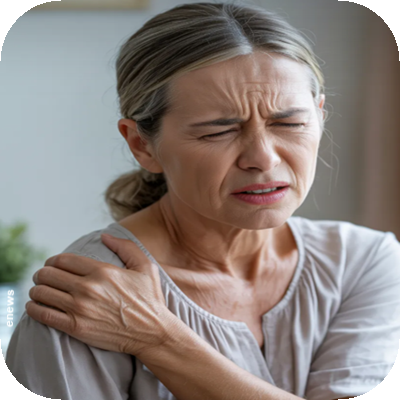
America’s seniors have shouldered a devastating share of the opioid epidemic — a crisis that has ravaged communities, drained public resources, and taken far too many lives.
While public attention often focuses on younger populations, older Americans remain disproportionately at risk. Every year, more than 1.1 million seniors are diagnosed with opioid use disorder, and more than 50,000 suffer an opioid overdose. These are not abstract statistics. They represent parents, grandparents, neighbors and friends — lives shattered or lost to a crisis we have the power to reduce.
That is why Congress must act quickly to pass the Alternatives to PAIN Act. This legislation offers a pragmatic and urgently needed solution: making innovative, FDA-approved non-opioid pain medicines affordable and accessible through Medicare Part D. While seniors face rising health costs and unprecedented health challenges, this bill will give them safer, modern options for treating acute pain, options that can prevent addiction before it starts.
Today, seniors seeking relief after surgery or injury face a deeply flawed system. Despite major medical advances in non-opioid pain care, Medicare’s pricing structure still places generic opioids at the lowest cost tier, while safer non-opioid medications carry copays 10 to 20 times higher. This backward incentive pushes patients toward the drugs that helped fuel the opioid epidemic in the first place.
Even worse, many Part D plans use prior authorizations and “fail-first” requirements, policies that make doctors and patients jump through hoops just to avoid prescribing opioids. In effect, the system nudges seniors toward dependency rather than prevention.





The Alternatives to PAIN Act would end these perverse incentives. It ensures that seniors never pay more for an FDA-approved non-opioid pain medication than they would for an opioid, and it prohibits plans from forcing patients to “try and fail” an opioid before receiving a safer alternative. These reforms restore medical common sense: let doctors and patients choose the safest, most effective treatment without bureaucratic interference.
Moreover, the economic implications cannot be ignored. Medicare spends billions of dollars annually dealing with the downstream consequences of opioid addiction — hospitalizations, rehabilitation care, emergency services and long-term treatment. By giving seniors affordable non-opioid options, Congress can curb unnecessary spending while improving patient outcomes. It is a win-win; better health for seniors and better stewardship of taxpayer dollars.
This is not a partisan issue. Far from it. More than 100 organizations — including physician groups, clinical specialists, mental health providers, substance use disorder treatment facilities, and veterans service organizations — have joined thousands of families affected by the opioid epidemic in urging Congress to pass this legislation. They understand that reducing opioid exposure in the first place is the most effective tool we have to combat addiction.
For seniors recovering from surgery or managing acute pain, the stakes could not be higher. Older Americans often take multiple medications, face higher risks from opioid side effects, and may already struggle with chronic health conditions. Providing safe, affordable pain relief is not only good policy; it is a moral obligation.
The Alternatives to PAIN Act embodies the kind of bipartisan, commonsense reform we need to move this country forward. It respects patient choice, empowers physicians, lowers financial barriers, and attacks the opioid crisis at its root: unnecessary exposure to addictive drugs when safer alternatives exist. Congress must remain vigilant in this fight, and seniors deserve nothing less





Our nation’s older adults should not be forced into dangerous or outdated pain treatments simply because the price of safer medicines is out of reach. They deserve access to modern, evidence-based care that prioritizes safety, affordability and dignity.
Congress should pass the Alternatives to PAIN Act without delay.







1 thought on “Alternatives to PAIN Act Is a Life-Saving Reform for Seniors – Inside Sources”
I Call BS on this article! 76 year old and have taken opioid pain relievers as prescribed most of my adult life without addiction.
Last year tore meniscus in both knees Wow that was painful. Emergency room gave muscle relaxers and Lidocaine patches for pain, did nothing to ease my pain. So it looks to me that the political knee jerk reaction to the opioid problem ignores people in real pain. Following up with my healthcare provider, they sent me to Walmart to purchase Tylenol! LOL, That didnt work either
Comments are closed.