


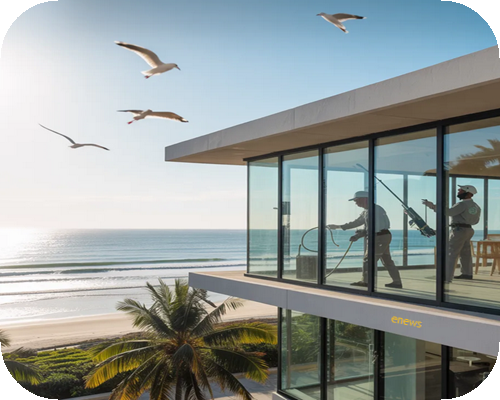
There are indisputable benefits to running a business in a coastal city, including consistent tourism, expanding development, and thriving economic activity. However, pests present a recurring and frequently disregarded obstacle in addition to sunshine and sea breezes. Pest control is a strategic requirement incorporated into facility management in humid, subtropical climates; it is not a once-a-year service.
Coastal areas face year-round pest pressure, in contrast to arid inland regions. High humidity helps insects survive, warm temperatures speed up breeding cycles, and storm seasons drive rodents and other wildlife into commercial buildings. Pest control for business owners and property managers needs to be proactive, data-driven, and adapted to the local environment.
The Role of Humidity in Pest Proliferation
Humidity is a deal when it comes to pests in coastal areas. When it is really humid it creates the place for insects like cockroaches, termites, mosquitoes and ants to breed. You have to be careful about places like utility rooms that’re damp, storage spaces that do not have good air flow and air conditioning systems that get condensation buildup. These places can easily become infested with pests without you noticing.
Much moisture can also make wood rot faster which can weaken the structure of a building and attract pests that eat wood. For example termites that live love moist soil and can get into buildings through tiny cracks in the foundation. In tall buildings leaks in the plumbing system or in the equipment on the roof can make it humid enough for pests to live on the upper floors.
So it is really important for businesses to control the moisture in their buildings to keep pests away. They should regularly check the roof the seals around the windows the plumbing and the drainage system to make sure everything is okay. Using dehumidifiers and making sure there is air flow in the basement and mechanical rooms can also help prevent pests from infesting the building.






Controlling humidity is not about making people comfortable it is, about making it hard for pests to survive. Humidity is a part of the environment that pests need to thrive so if you control the humidity you can help keep the pests away.
Hurricanes and Structural Vulnerabilities
Hurricanes make it really tough to control pests near the coast. The strong winds and flooding can damage buildings, which means rodents, insects and other unwanted creatures can get inside. When a big storm hits things like doors cracked walls and wet insulation are like open doors for these pests.
The floodwater can also push pests out of their homes so they look for a place to live like a commercial building. During floods, rodents and insects often go up to floors, which is a big problem in buildings with many floors because the pests can spread really quickly.
It is very important to check the property after a storm. The people in charge need to make sure the building is safe fix any holes and get rid of any materials right away. If they do not do this small problems can turn into infestations that are expensive to fix.
To control pests in areas where hurricanes happen you need to be ready, before the storm and take action after it. This means making sure the outside of the building is sealed, putting up barriers to stop flooding and keeping the drains working so you do not have to deal with as many pest problems when the weather is bad. Hurricanes and pest control are closely. A good plan can help with hurricanes and pest control.
The Economic Stakes of Coastal Infestations






For commercial properties, pest problems are more than a nuisance—they are a financial liability. Restaurants risk health code violations. Hotels face reputational damage through online reviews. Office buildings may lose tenants who associate infestations with poor management.
In coastal cities where tourism and hospitality play central economic roles, maintaining a pest-free environment is crucial for brand image. A single publicized infestation can undermine years of reputation-building efforts.
Preventative maintenance often proves more cost-effective than reactive treatment. Scheduling routine inspections, sealing structural gaps, maintaining landscaping buffers, and implementing moisture control systems reduce the likelihood of large-scale infestations. Partnering with specialists familiar with regional pest patterns strengthens preparedness.
Businesses operating in South Florida, for example, frequently seek localized expertise such as pest control West Palm Beach providers who understand the specific challenges posed by subtropical climates, seasonal storms, and coastal construction materials. Regional knowledge allows for more targeted treatment plans aligned with environmental realities.
Designing Pest-Resistant Commercial Spaces
Developers who think ahead are making sure to include pest prevention when they design properties near the coast. They use foundations that are high up materials that do not get damaged by moisture and special systems to keep the outside of the buildings sealed. They also do landscaping in a way that helps keep pests before people even move in.
The ground around buildings is made so that water will flow away from the foundations. This helps keep the buildings safe. They use a mesh made of stainless steel and special sealants that can withstand the weather to protect the openings that let air in. The systems that handle waste are put in places where they will not cause problems or make a mess.
In properties that are already built making some changes can really help keep pests. Adding sweeps to the doors fixing cracked walls and making the drainage system better all help properties last
When developers include pest control in their plans for buildings. How to take care of them commercial properties can stop just reacting to pest problems and start preventing them instead. This is a change from just waiting for pests to show up and then trying to get rid of them. Pest control is now a part of the plan for properties and this helps them be more prepared. By including pest control, in their plans commercial properties can be safer and more secure. This is all because of pest control.


Protecting Reputation in Competitive Markets
In tourism-driven economies, reputation is everything. Online reviews, social media visibility, and regulatory inspections leave little room for error. A pest sighting can travel far beyond the walls of a building within minutes.
Proactive pest management demonstrates professionalism, protects public health, and reinforces customer confidence.
Coastal commercial properties face unique environmental pressures—but with the right expertise, preventative infrastructure, and data-driven strategies, pest risks can be controlled effectively.
In high-humidity, storm-prone environments, pest control is not just maintenance—it is operational protection.
Conclusion: A New Coastal Strategy
Humidity, hurricanes, and high-rise complexity demand a reimagined approach to pest control in coastal commercial properties. Moisture management, structural resilience, tenant coordination, and climate awareness are no longer optional—they are foundational elements of property management in waterfront cities.
As coastal development continues to expand, businesses must recognize that pest control is deeply interconnected with environmental conditions and building design. By embracing integrated strategies and region-specific expertise, commercial property owners can safeguard their investments and maintain the trust of tenants and customers alike.
In coastal markets defined by growth and exposure to natural forces, pest control is not simply about eliminating insects or rodents. It is about protecting infrastructure, preserving reputation, and ensuring operational continuity in an environment where nature constantly tests the limits of construction and preparedness.