The extent of methamphetamine contamination poses a serious health risk for properties that have been used to manufacture or consume meth. Sales strategies are difficult to identify based on the evidence of forwarding a few professional cleaners. Identifying meth contamination helps ensure comprehensive remediation, keeping future occupants safe from residue remaining in the property. By learning about how experts find contamination, property owners know what to watch out for.
Why These Meth Residues are Still a Problem
After producing or using meth, residue impregnates virtually everything, including walls, floors, and ceilings. These may be chemicals that continue to exist long after visible evidence has faded. If not appropriately detected, harmful substances can persist and impact not only the air quality but also the individual’s health. Professional cleaners assess and test these over-reliances effectively. Choosing meth decontamination cleaning NZ ensures reliable services that balance safety with compliance with national health standards.
Initial Assessment and Visual Inspection
Trained cleaners will start with a visual check of the property. Part one: Recognise the obvious; the first thing to be done is to look for obvious signs of meth production or use, burn marks (from meth pipes), unusual stains, or containers filled with chemicals. Visual clues alone are not sufficient to make a contamination assessment, but they do provide important background for further investigation. Inspectors take notes based on their observations for follow-up steps.
Surface Sampling Techniques
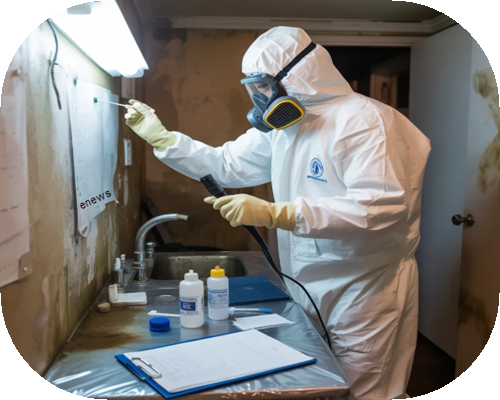
Surface sampling represents an important aspect of the detection of meth residue. Experts use particular swabs to gather samples from different surfaces, particularly those that are generally prone to taints. These include spaces like the walls, countertops, ventilation grates, and hard-to-reach areas. Samples are processed separately from each other to avoid cross-contamination.
Laboratory Analysis of Samples
Samples that are collected are then sent for testing in accredited labs. Using sophisticated laboratory methods, technicians can see exactly how much meth or meth-related compound is present. Laboratory tests provide quantitative numbers and can confirm whether residues exceed the level of concern. Analysis provides the reliability needed to decide how much needs to be cleaned and what techniques should be used to clean.


Home Testing Kit For Quick Results
For instance, some professional cleaners use instant testing kits, which provide instant results on-site. These kits have chemical agents that interact with the residue left from methamphetamine to create a colour if there is any contamination. Save time figuring out where to do more thorough laboratory testing (although not as accurate as lab analysis). They provide fast evaluation, something that is particularly useful for bigger properties.
Evaluating Airborne Contamination
Meth chemicals can be absorbed, adsorbed, or present in the air, especially in confined or poorly ventilated spaces. Using air sampling devices, airBerger professionals will check for contaminants in the air. These devices collect air during a timespan, so the particles, which may contain tiny amounts of meth residue, end up in the oily residue trap. Air samples are mutually exclusive and will contribute to the verification of new data analyses conducted in the laboratory, which are further informed by the surface testing protocol. It can provide a wealth of data that verifies the analysis of the property in question.
Determining the Scope of Cleaning
After pre-sampling indicates how much contamination there is, cleaning specialists can decide what remediation work is needed. Laboratory and field-test results guide the cleaning process. Hot spots are our first priority, so no harmful residue will stay there. This systematic process ensures that properties are returned to safe, liveable conditions.
Ensuring Post-Cleaning Safety
Experts do follow-up tests to confirm that the cleaning was effective after remediation. They collect and analyse new surfaces and air samples. The property can only be reoccupied when results confirm that residue levels are below the health guidelines. This last step in verification ensures peace of mind for property owners and future residents.
Benefits of Professional Detection Methods
Benefits of Professional Meth Residue Detection: Accurate identification avoided over-sanitation or contamination left untreated. He notes that scientific testing methods provide accurate information that is crucial for making decisions about remediation. Sound assurance and assurance to property owners that their buildings are free of lingering meth remains requires trained experts.



Conclusion
Meth testing at specialist cleaning services is the careful, methodical evaluation of property, followed by the experience of trained scientists and confirmation of work. Every step, from the physical inspection to lab analysis, contributes to the detection and elimination of harmful substances. With effective detection techniques, cleaning specialists help promote health for current and future tenants in sustainable and hygienic spaces.