



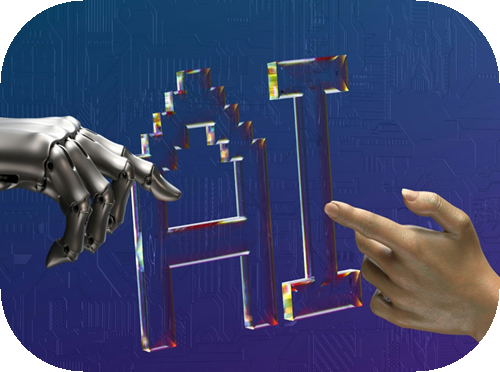
Deepfake technology uses artificial intelligence to create highly realistic images, audio, and video that can manipulate reality. By leveraging deep learning algorithms, computers can generate content that appears authentic, making it increasingly difficult to distinguish fact from fiction. Initially developed for entertainment and research purposes, deepfakes have grown into a powerful tool that can influence media, politics, and online communication. While the technology is fascinating, it also raises concerns about ethics, privacy, and trust in digital content.
Opportunities for innovation
Despite the risks, deepfake and AI technologies offer exciting opportunities across multiple industries. Filmmakers can create lifelike visual effects without costly CGI, while advertisers can produce highly personalized content. In sports and entertainment, new apps make following games and managing teams easier than ever. For example, fans can enhance their fantasy league experience using Sleeper promo code, which allows users to access special features, rewards, and promotions within the app. These tools help sports enthusiasts stay engaged and enjoy a more interactive experience.
Threats to privacy and security
While deepfakes offer creative and commercial potential, they also pose serious threats. Manipulated videos or audio recordings can be used to spread misinformation, commit fraud, or damage reputations. Political deepfakes can influence elections or social movements, while malicious actors can target individuals with fabricated content. Cybersecurity experts warn that as deepfake technology becomes more accessible, the potential for misuse increases dramatically. It is crucial for governments, platforms, and individuals to develop strategies to detect, regulate, and mitigate these risks. For example, The U.S. Department of Homeland Security offers official guidance on how to recognize and counter deepfake threats, providing practical recommendations to help reduce the risk of misuse.
Detecting deepfakes
Detection is a growing field in AI research. Advanced algorithms can analyze subtle inconsistencies in lighting, facial movements, or audio patterns to identify manipulated content. Companies and universities are collaborating on tools that flag suspicious media, helping platforms maintain authenticity and trust. Public awareness is equally important: educating users about the signs of deepfakes empowers them to question sources and verify information before sharing or acting on it.





The ethical debate
The rise of deepfake technology sparks a broader conversation about ethics in AI. Developers must balance innovation with responsibility, ensuring that tools are not exploited for harm. Policymakers are exploring legislation to criminalize malicious use while allowing beneficial applications to flourish. Meanwhile, society must grapple with the implications of AI-generated content on privacy, consent, and accountability. For guidance on establishing responsible practices, official policy recommendations can be found in the European Commission’s AI Ethics guidelines, which provide a framework for trustworthy and ethical AI deployment.
Unlocking potential while protecting trust
As deepfake technology continues to advance, it will redefine how we consume media, interact online, and interpret reality. The challenge will be to harness its potential while minimizing the risks. By investing in detection, education, and ethical standards, we can enjoy the creative benefits of deepfakes without compromising trust or security. From entertainment to sports analytics, AI-driven innovations showcase the positive possibilities of responsible technology use.