


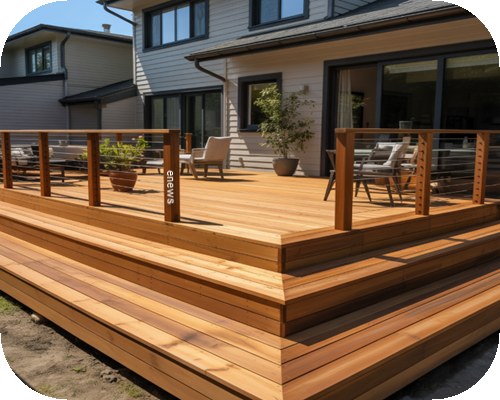
If you’re thinking about replacing your old deck or installing a new one in Washington, one of the first things that comes to mind is how long your investment will actually last. A deck is more than just an outdoor extension of your home — it’s a space for relaxing, entertaining, and connecting with the outdoors. But since decks are constantly exposed to the elements, their lifespan depends on a combination of materials, construction quality, and maintenance. In a state like Washington, where weather patterns can shift dramatically from one region to another, understanding what affects a deck’s durability can help you plan better and protect your investment for years to come.
On average, a well-built and properly maintained deck in Washington can last anywhere from fifteen to twenty-five years. Some high-end materials and construction techniques can even push that number to thirty years or more. However, not all decks are created equal. The type of material you choose, the weather conditions in your area, and how well you maintain your deck all play a crucial role in determining how long it will stay sturdy and safe.
The first factor to consider is material quality. The material you select can significantly impact your deck’s lifespan. Pressure-treated wood is one of the most common and affordable options. It’s treated with chemicals to resist rot and insects, but it still needs regular cleaning, sealing, and care to stay in good shape. Cedar and redwood are naturally resistant to decay and offer a warm, timeless look, often lasting fifteen to twenty years with proper maintenance. Composite decking, which combines recycled wood fibers and plastic, is a popular modern choice because of its long lifespan and minimal maintenance needs — typically lasting twenty-five to thirty years or longer. For homeowners who want the most durable option, PVC or vinyl decking can last up to fifty years with almost no risk of moisture damage or rot. While wood provides natural beauty, composite and PVC decks have become more common in Washington because of their ability to handle the wet climate with ease.
Speaking of climate, Washington’s weather is a major factor that affects how long a deck lasts. Western Washington, including cities like Seattle, Everett, and Olympia, is known for heavy rainfall and moisture throughout the year. The constant exposure to wet conditions can cause untreated wood to warp, crack, and eventually rot. In these areas, it’s essential to use moisture-resistant materials and ensure proper drainage around and beneath the deck. Meanwhile, Eastern Washington has a much drier climate, with regions like Spokane and Yakima experiencing less rainfall but more direct sunlight and temperature changes. There, decks may face issues like fading or expansion from heat rather than moisture damage. Because of this regional variation, consulting a professional deck replacement contractor who understands the state’s different climates can make a huge difference in choosing the right materials and protective treatments.
Another key factor that determines how long your deck will last is construction quality. Even the best materials won’t perform well if the structure isn’t built properly. The lifespan of a deck depends heavily on how it’s designed, supported, and fastened together. A strong foundation, quality framing, and moisture-resistant fasteners ensure the deck remains stable over time. Poor construction or the use of low-quality hardware can shorten a deck’s life significantly, leading to premature wear and safety risks. This is why hiring a local deck expert in Washington is so important. A knowledgeable professional will ensure that every component — from footings to railings — is installed correctly and designed to withstand Washington’s variable weather.




Maintenance also plays a vital role in extending your deck’s life. Regular cleaning and inspections help you catch small problems before they turn into costly repairs. For wood decks, sealing or staining every one to two years can prevent moisture damage and UV fading. Keeping the surface clean of leaves and debris prevents mold growth and rot. Even composite and PVC decks benefit from occasional cleaning to remove dirt and maintain their appearance. Taking the time to inspect your deck each season, especially after heavy rain or snow, will help you spot loose boards, rusted nails, or signs of decay early. The more consistently you maintain your deck, the longer it will stay safe and beautiful.
Washington’s diverse weather conditions make it impossible to apply a single rule to every deck’s lifespan. Homeowners on the rainy west side should focus on moisture protection, while those in the sunnier eastern side should guard against UV exposure. In coastal areas like Bellingham or Port Angeles, the salty air can corrode metal fasteners, so stainless steel or galvanized hardware is highly recommended. Understanding these local challenges — and building your deck accordingly — is what ensures long-term durability.
Even with the best care, every deck eventually shows signs of wear. If your deck feels soft underfoot, has visible rot, loose railings, or cracked boards, it might be time for an inspection or replacement. Wobbly posts, rusted connectors, or sagging sections can also be red flags. When in doubt, calling in a trusted deck specialist for an assessment is the safest choice. Sometimes, repairs are enough, but older decks often benefit from full replacement to restore both safety and appearance.
If you want to extend the life of your new deck, simple habits make a big difference. Keep it free of dirt, leaves, and standing water. Trim nearby bushes or trees to improve airflow and reduce moisture buildup. Avoid dragging heavy furniture that might scratch or gouge the surface. Invest in high-quality sealants designed for Washington’s weather conditions and reapply them as needed. Small steps like these will keep your deck in top condition for decades.
While DIY deck projects can seem tempting, working with a qualified contractor who understands local building codes, permitting rules, and structural requirements is almost always the better choice. Building a deck that’s both strong and compliant with Washington’s safety standards requires experience, precision, and the right materials. Collaborating with a reliable professional ensures your deck isn’t just beautiful — it’s built to last through every rainy season and summer barbecue.


In the end, the average lifespan of a new deck in Washington depends on what you build it from, how it’s installed, and how well you care for it. A wood deck can last around fifteen to twenty years, while composite and PVC decks can last thirty years or even longer. By choosing quality materials, investing in proper installation, and maintaining your deck consistently, you can enjoy your outdoor space for decades. Your deck is more than just a platform — it’s an investment in comfort, style, and lasting value for your home.