


My grandmother’s spring garden was famous for its daffodil beds. Growing right next to the Prescott National Forest, they were a magnificent spectacle each spring. I believe it was one of the few flowers the javelina and deer left alone. She always said the daffodil’s superpower was how they would multiply over the years, a trick that kept their blooms spectacular. She replanted her beds every 4 to 5 years to ensure the bulbs were always perfectly positioned. I want to share her insider tips with you in this article.
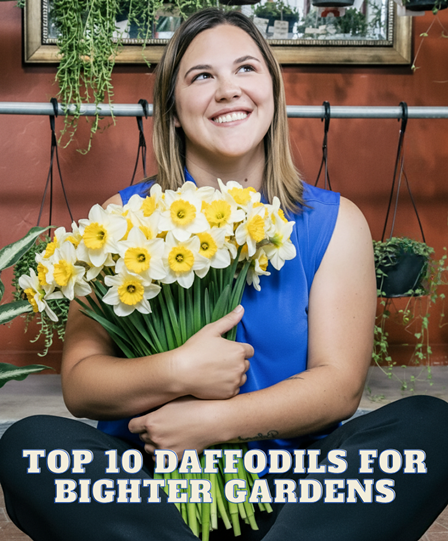
Freshness matters with bulbs. You want bulbs dug fresh from the fields, not stored for months under the dim lights at a box store. That is why I’ve partnered with the best farm to give you direct access to a friend’s daffodil fields. The Watters horticultural team has personally curated the Top 10 Daffodil Varieties for local gardens. Each is famous for its vigorous perennial ability, sturdy stalks, and mountain hardiness against wind and drought.
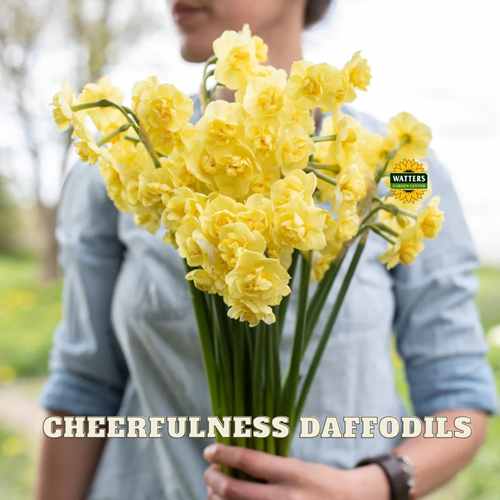
Yellow Cheerfulness – produces multiple, fragrant yellow flowers on each stem, giving you a complete, bouquet-like look, and their blooms last longer than many single-flowered varieties.





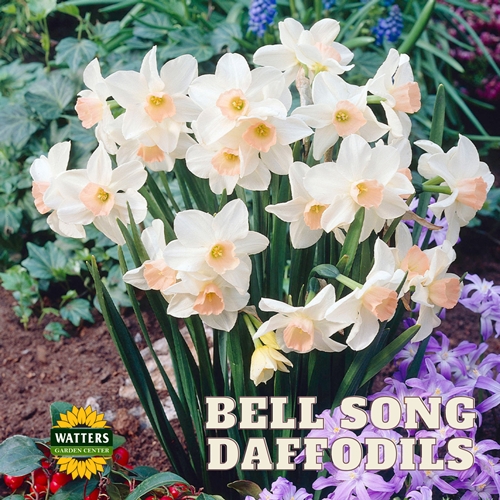
Bell Song is an excellent choice for its elegant, bell-shaped flowers in a delicate white and yellow color combination. They are a robust variety, reliably returning each year to brighten your garden with their early spring blooms and sweet fragrance.

Bella Estrella is a showstopper with its pure white petals and a deep orange-red cup, creating a dramatic contrast that stands out in any spring garden. It’s a vigorous, reliable bloomer that naturalizes well, ensuring a spectacular display of flowers year after year.



Carlton planted for their large, classic yellow blooms and their reliable performance as a vigorous perennial. They naturalize exceptionally well, coming back with a stronger display year after year.
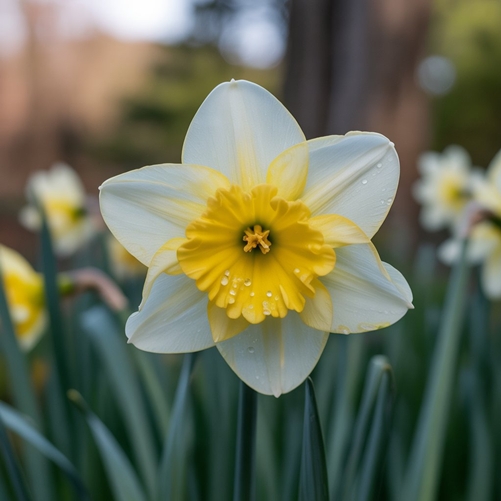
White Lion is a spectacular double daffodil with a massive, creamy-white bloom and a ruffled, apricot-yellow center. Plant’ White Lion’ for an elegant and fragrant early spring display that stands up to wind and rain.
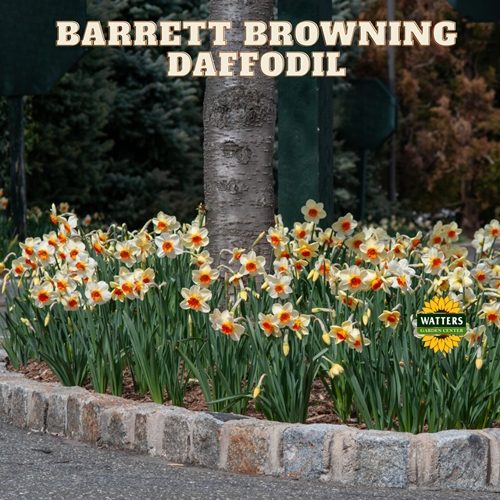
Barrett Browning’s white petals with a striking orange trumpet provide a vibrant and classic look. This variety is known for being a robust naturalizer, meaning it will multiply and return year after year to create a larger, more impressive display.

Apricot Whirl – is a showstopper, famous for its unique, flattened apricot-pink cups that mature to a creamy white. This vigorous bloomer is a favorite of butterflies and bees, bringing life to your spring garden.



Bridal Crown is a double-flowering daffodil variety that provides a fragrant and full bloom. Its creamy white petals and bright yellow center give it an elegant, classic look in any garden.

Tahiti is a fantastic choice for its unique, peony-like blooms with rich golden petals and a ruffled orange-red center. This robust variety also has a reputation for being exceptionally long-lasting, with sturdy stems that hold up well against wind and rain.

How to Plant Daffodils
To enjoy these top-tier daffodils at their best, proper planting is key:
- Timing: Plant your daffodil bulbs in the fall, ideally a few weeks before the first hard frost. This gives them enough time to establish roots before winter sets in.
- Location: Choose a location with well-draining soil and full to part sun exposure. Avoid planting them in waterlogged areas, as this can cause the bulbs to rot.
- Depth: Plant your bulbs about three times their height deep. For most standard daffodils, this means planting them 6 to 8 inches deep. Plant pointy end up.
- Spacing: Space bulbs 3-6” inches apart. This allows for natural multiplication over the years.
- Water bulbs thoroughly after planting to encourage the settling of the soil and root growth. However, refrain from over-watering in the winter months; twice per month should do it.
All-Purpose Food & Humic Acid
To give your daffodils the best start, use a one-two punch of Watters All-Purpose Plant Food and Humic. When your daffodils are all planted, sprinkle Humic as a soil conditioner. This rich, organic material improves your soil’s structure and helps it retain moisture and nutrients. It loosens up our heavy mountain soil and promotes a vibrant microbial environment, which is essential for healthy root growth. The Watters All-Purpose Plant Food is a low-nitrogen formula that provides the phosphorus and potassium plants need for sturdy stems and abundant blooms. Use them both right after planting.
Animals That Leave Daffodils Alone
When it comes to local animals, daffodils are usually safe. Deer, javelina, and rabbits will not eat them. The bulbs are toxic, making them unappealing to most critters, including pocket gophers. This makes them a perfect plant for gardens that face frequent visits from wildlife.
Designing with Daffodils
To maximize their impact, consider planting daffodils in drifts for a naturalized look or interspersing them among perennial beds. They pair beautifully with other spring bulbs, such as tulips and hyacinths, for a layered bloom effect. Additionally, consider potting ‘Bell Song’ or ‘Apricot Whirl’ in containers to brighten patios or balconies.
As you prepare your garden for spring, these top 10 daffodils promise to bring vibrant color, delightful fragrance, and an uplifting sense of rebirth without the worry of animal interference, and now is the time to plant them.
Take a look at my entire collection of spring blooming bulbs and Iris at Top10Bulbs.com. Happy Gardening.

Every Saturday @ Watters Garden Center
Join us every Saturday morning at 9:30 AM for our free garden classes, right here at Watters Garden Center on Iron Springs Road in Prescott. September is packed with valuable insights to help your garden thrive!
October 4 @ 9:30 am – The Complete Fall Garden Checklist
October 11 @ 9:30 am – Making This Your Brightest Fall Ever
October 18 @ 9:30 am – Effortless Plants for Busy Gardeners
Until next issue, I’ll be helping local gardeners plant fresher bulbs here at Watters Garden Center.
Ken Lain can be found throughout the week at Watters Garden Center, 1815 W. Iron Springs Rd in Prescott, or contacted through his web site at WattersGardenCenter.com or Top10Plants.com.