



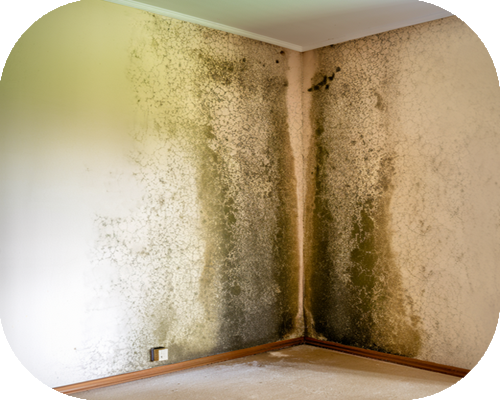
Now and then, disturbing pictures of moldy homes surface on the internet. While these images unnerve many of us, we also dismiss it as something that happens to other people.
Incidentally, the problem is a legitimate concern in several parts of the US. The spate of unprecedented weather events has triggered mold worries afresh. The world is facing widespread climate turmoil, from hurricanes like Helene in 2024 to this year’s turbulent storms. Such prolonged exposure to wetness, especially when unseasonal, can trigger mildew.
According to recent NASA data, adverse weather events will get more common and also more intense. Moreover, the transition between floods and droughts is getting severe. It indicates that drier cities also experience unexpected precipitation that can propel mold growth in unprepared homes.
Does Mold Affect Homes in Dry States?
Arizona, known for its dry climate, does not instinctively strike one as a location susceptible to fungal growth. However, some recent reports by mold inspection specialists indicate that cities like Prescott are not insulated from the problem. The primary reason behind this is the incidence of sudden downpours and high indoor humidity. These conditions can trigger fungal growth.






Another concern is occasional snowfall in Prescott—it can cause snow to collect in crawl spaces. Over time, it can generate ideal conditions for fungal outbreaks. Besides causing structural damage, mold also puts people at risk of respiratory problems and skin irritation.
Being cautious is paramount since climate change has made mold a global problem, affecting housing in various countries. A Frontiers report highlights how the UK is also battling mold due to aging housing stock and sustained underinvestment in social housing. It underlines the physical and mental health impact of living in mold-infested areas. For instance, families with asthmatic kids may find it particularly anxiety-inducing.
How Can Homeowners Reduce Water Damage and Mold Growth?
Mold-affected houses may require intensive inspections to eliminate the root cause. Booking a periodic home inspection for leaks and structural damage is a reliable approach to preventing water damage. A professional can also check and clean clogged gutters. It will help rainwater flow away from the house.
For example, US states like South Carolina have been getting more than typical rainfall in recent years. Some media reports label it weather whiplash or periods of heavy rain that bring towns to a standstill. One can find more homeowners opting for seamless gutters in Simpsonville SC, a city that now receives frequent rainstorms. These gutters are not as likely to leak and need lower maintenance throughout the year.






Besides encouraging mold, water damage can also affect a home’s foundation. If water seeps in through the cracks, you may be looking at basement flooding and unsightly damp patches on your walls. According to SureFlow Gutters, it is time to seek repairs if you observe sagging, rust spots, or water pooling.
Managing mold growth is possible when the problem gets detected in time. Anti-fungal treatments and routine disinfection can limit the infestation. Some sensible complementary steps are allergy testing and checking the drinking water supply.
The Need for Ventilation and Dehumidification in US Homes
Home ventilation can also play a considerable role in the endeavor to remove mold and prevent future occurrences. Even in dry cities, surprise spells of rain can make the humidity levels spike. The abrupt changes can make the home environment feel rather stuffy. It strains your HVAC systems and provides ripe ground for fungal growth.
Focusing on improving the ventilation in your home can manage this problem. Why not up natural ventilation through large windows, strategic vents, and chimneys? These solutions are both affordable and impactful.
Dehumidifiers that regulate the indoor environment to maximize comfort can be another good investment. Depending on budgetary arrangements, one can consider exhaust and central fans or entire-house mechanical ventilation.
The Department of Energy notes that efficient mechanical ventilation systems can lower the concentration of carbon dioxide, radon, nitrogen dioxide, and formaldehyde. Unfortunately, many homes recently surveyed by the agency fail to meet the recommended air quality standards, i.e., ASHRAE 62.2. They include constructions in states like Florida and South Carolina. Often, the problem is down to systems not operating correctly.
This situation builds a compelling case for exercising caution when selecting and installing ventilation systems. The chosen system must adhere to the prescribed air quality standards.
Mold can be aggressive. Its health repercussions on human beings and pets are long-lasting. US homeowners must take concrete steps to nip the problem in the bud. It will help them maintain the livability and resale value of their properties.