


In a world increasingly dominated by mass-produced goods, the value of handcrafted rugs remains deeply rooted in tradition, culture, and economic sustainability. These woven masterpieces are not only visually striking—they also serve as vital lifelines for artisan communities both locally and globally. When you invest in a quality rug, you’re supporting more than just interior design; you’re contributing to the preservation of centuries-old techniques and the financial empowerment of skilled craftspeople.
Preserving Craft Heritage
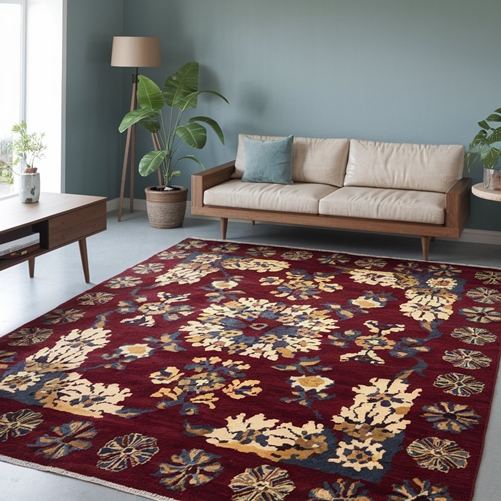
Many quality rugs are made using methods that have been passed down through generations. In regions like Turkey, India, Iran, and Morocco, rug weaving is often a familial tradition, deeply intertwined with local culture. Each rug tells a story, whether through traditional patterns, regional dyes, or unique knotting techniques. By purchasing from artisans who uphold these methods, consumers play a role in preserving a global heritage that might otherwise be lost to industrial automation.
Craft economies thrive on this preservation. When buyers choose handmade over machine-made, they encourage artisans to keep these ancient traditions alive. This, in turn, fuels pride and continuity in cultural identity, helping communities maintain a strong sense of purpose and cohesion.
Economic Empowerment and Fair Wages





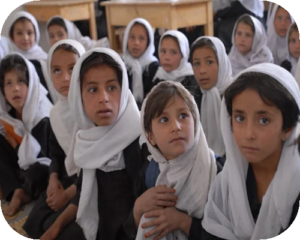
In many rural areas, rug weaving provides a sustainable livelihood, particularly for women. These artisans often work from home or in community cooperatives, using skills honed over decades. The income from rug sales can offer financial independence and improve living standards for entire families.
When producers operate under fair trade or direct-trade principles, the economic impact is even greater. Artisans are paid fairly and consistently, allowing for long-term stability rather than sporadic income. Moreover, as demand for ethically produced rugs increases, communities gain access to healthcare, education, and improved infrastructure—benefits that ripple well beyond the individual weavers.
Supporting Eco-Friendly and Ethical Practices
High-quality rugs often use natural fibers like wool, silk, or cotton, as well as organic dyes, making them more environmentally sustainable than their synthetic counterparts. Many artisan workshops use low-energy handlooms and avoid the use of harmful chemicals, minimizing their environmental footprint.
Ethical sourcing also helps combat exploitative labor practices. Buyers who seek out reputable sellers are less likely to support sweatshop conditions or child labor, making their home décor decisions a vote for human rights and dignity.


Midway through your exploration of artisanal craftsmanship, you might discover platforms like area rugs that showcase a wide variety of handmade pieces. These curated collections often highlight the stories and regions behind each rug, giving buyers a chance to connect with the makers and understand the cultural richness embedded in their work.
Global Impact with Local Roots
Though the impact of your rug purchase may begin in a small village workshop, it resonates globally. As more consumers opt for ethically crafted rugs, the global craft economy flourishes. This demand drives job creation, fosters entrepreneurship, and strengthens international appreciation for cultural diversity.
In essence, every quality rug is a thread in a much larger tapestry of global interconnection. By choosing thoughtfully and buying responsibly, you’re not just decorating your home—you’re helping sustain traditions, support communities, and make the world a more beautiful place, one rug at a time.