
Have you ever stopped at a red light even when no one was around? Most people have. It’s not fear that stops them—it’s habit. That’s how law works best. It’s a set of rules we follow because we believe in the system behind them.
Laws aren’t just rules for courtrooms or crime shows. They shape everyday life, from how fast you drive to what your landlord can legally do. They create order, protect rights, and set boundaries. But more than that, they reflect who we are as a society—and who we’re trying to become.
In this blog, we will share how law works behind the scenes, why it matters more than ever, and how understanding its foundations can give people the tools to think critically about the world around them.
Why Legal Systems Keep Evolving





Laws may seem like they appear out of nowhere, but that’s never the case. They form through a mix of public behavior, history, politics, and sometimes sheer necessity. Social media is a good example. Ten years ago, few laws touched what people posted online. Today, rules around digital privacy, online harassment, and misinformation are hot legal topics.
What causes those changes? A mix of public outcry, court decisions, and a slow realization that some problems can’t fix themselves. It’s a cycle: people act, issues rise, laws respond. Seatbelt laws, vaccine mandates, and even restrictions on AI-generated content all followed this pattern.
As society grows more complex, legal education has also adapted. Today, students from many backgrounds want to understand how law connects with real life. That’s where an online bachelor degree in criminal justice comes in. It offers a flexible and structured way to explore legal systems—from courts and corrections to ethics and civil rights. Students learn how rules are made, why they change, and how they affect people on the ground. For anyone aiming to engage with current legal issues, this kind of degree builds a strong and relevant foundation.
Law Isn’t Just for Lawyers
Most people interact with the law more often than they think. Ever signed a lease? Filed taxes? Clicked “agree” on an app? Then you’ve entered into a legal contract, whether you read it or not. Laws cover your personal safety, privacy, money, and even your right to free speech. They exist to protect, but they also hold people accountable.





Legal systems can be complicated, yes. But the more people understand them, the more power they have. Knowing your rights means knowing how to ask questions, speak up, or challenge unfair decisions. It also helps prevent mistakes. Something as simple as knowing how eviction laws work or what’s legal on social media can make a big difference in daily life.
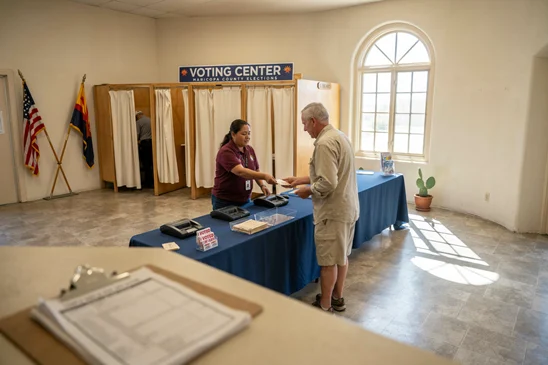
Good legal systems don’t just hand down rules. They listen and adjust. Laws that were once harmful—like those that limited who could vote or marry—have been overturned or rewritten. This shows how law and society push each other forward. Change often starts with people, and laws eventually catch up.
Law as a Tool for Progress
The law is not frozen in time. It’s constantly shaped by public values, social trends, and new technology. Whether it’s tackling climate change or dealing with the ethics of artificial intelligence, modern law is deeply tied to today’s biggest questions.
Understanding the law helps us become better citizens, smarter voters, and stronger advocates. It gives us the tools to think clearly about fairness, responsibility, and justice.
So the next time you see a rule that doesn’t make sense—or a system that feels outdated—remember: laws can change. But only when enough people understand them well enough to challenge them. And that begins with learning the basics.