

Cities around the world are growing rapidly. Populations rise, buildings multiply, and traffic intensifies. But with growth comes environmental strain—overcrowded streets, rising emissions, and increased energy use. Without thoughtful planning, urban expansion can lead to serious long-term problems.
That’s where sustainable urban planning comes in. It offers a smarter way to grow—one that protects natural resources and improves quality of life. Instead of just adding roads and buildings, this approach emphasizes smart land use, energy efficiency, and long-term thinking.
Many cities have already started making the shift. Local leaders, architects, and planners are seeking ways to create vibrant communities while safeguarding the environment. These strategies may vary by location, but the goal is universal: growth that works for both people and the planet.
Training the Next Generation of Urban Planners






Behind every sustainable city is a team of skilled planners. Creating clean, efficient, and livable spaces takes more than vision—it takes real training. Planners must understand how transportation, housing, energy, and public services connect. They also need to anticipate challenges and develop lasting solutions.
As demand grows, so does the need for qualified professionals. That’s where education plays a crucial role. Today’s city planners often hone their skills through sustainability masters programs online, which offer flexible, practical training in land use, environmental design, and resource management. These programs allow working professionals to upskill without stepping away from their careers.
As more people complete this training, cities gain access to the talent needed to shape greener, smarter development. Better education leads to fewer mistakes—like poor land use or inefficient building—and paves the way for thoughtful planning that lasts.
Core Principles of Sustainable Urban Planning
Sustainable planning is rooted in a few key principles. The first is smart land use. Instead of spreading out endlessly, cities can grow upward and build mixed-use spaces that bring homes, shops, and services closer together. This reduces the need for long commutes and makes public services more accessible.






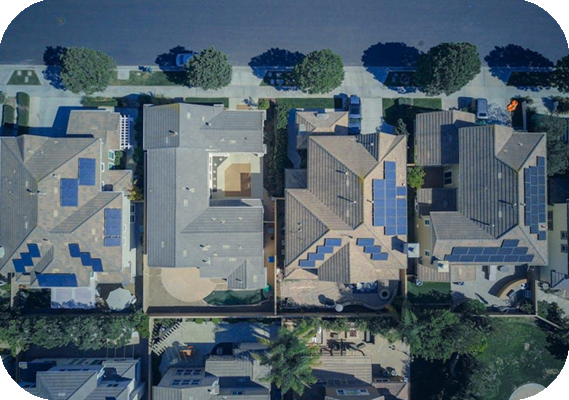
Another principle is energy-conscious design. Buildings should be made with materials and systems that minimize energy use. Features like solar panels, green roofs, and quality insulation can drastically reduce energy waste. When adopted citywide, these design elements make a major impact.
Public spaces matter, too. Parks, sidewalks, and plazas give people safe places to walk, relax, and connect with others. These spaces not only support social well-being but also enhance local ecosystems by introducing greenery that filters air and provides shade.
Accessibility is equally important. A well-planned city serves everyone—families, seniors, people with disabilities, and those without cars. Inclusive design creates fairer, more balanced communities that everyone can navigate and enjoy.
Sustainable urban planning isn’t about flashy mega-projects. It’s about making thoughtful, everyday choices that add up over time. Each principle strengthens the next, creating cities that are efficient, livable, and future-ready.
Smart Design for Energy and Water Efficiency
Poor design leads to waste. Buildings that aren’t built for efficiency use more power and water than needed, driving up costs and pollution.
Modern urban planning addresses this by improving how cities use resources. Smarter buildings feature green roofs, solar panels, and insulation to cut energy use. These designs lower utility bills and ease pressure on local grids.
Water efficiency is just as vital. Cities can reduce waste through drought-tolerant landscaping, low-flow fixtures, and rainwater collection systems. Even small adjustments in plumbing or garden design can lead to big savings and environmental benefits.


When cities prioritize energy and water efficiency, the results are clear: lower costs, less waste, and more resilient communities.
Transportation Planning for People and the Planet
Transportation is one of the toughest urban challenges. Without good alternatives, people turn to cars—adding traffic, emissions, and stress.
Sustainable planning tackles this with better options. Investments in clean, reliable public transit, walkable neighborhoods, and bike paths help people move around without relying on cars. These systems reduce pollution and support healthier lifestyles.
Mixed-use zoning also plays a key role. By placing homes, schools, shops, and parks closer together, cities make daily travel easier and less dependent on vehicles.
Well-planned transportation improves air quality, reduces stress, and enhances overall livability. It’s a critical part of building cities that are both functional and sustainable.